


Use wood ash on a potato bed only when a soil test shows that the bed needs a higher pH and the recommendation specifically allows ash. If you do not know the pH, found rough scab-like marks at last harvest, or already limed the bed, set the ash aside. Ash can supply potassium while raising pH. For potatoes, that second effect matters because the conditions that favour common scab often become more favourable as pH rises.
What wood ash changes in a potato bed
Clean wood ash contains mineral residues, including potassium and calcium compounds. Some of those compounds neutralize soil acidity. The nutrient content and strength of the liming effect vary with the wood and how it burned. A scoop from one fire can have a different weight and effect from the same scoop filled from another. Ash that looks uniformly grey can still vary enough to make a household measure unreliable.
Potatoes commonly grow well in moderately acid soil. A bed can already have a suitable pH and still need potassium. Raising pH is a separate decision based on the soil report and the crops in your rotation. Check both before choosing a material. The garden guide to wood ash explains which other beds or crops may be worth considering if the potato bed should stay as it is.
Why a history of common scab matters
At harvest, look for dry corky patches, a rough network or shallow pits in the skin. These can be signs of common scab. Their appearance varies with the potato variety, the pathogen and the conditions in which the tuber grew. Take clear photographs of fresh tubers if the markings are unusual or affect much of the harvest, and ask a specialist to identify the problem. One marked potato rarely gives enough information to distinguish all possible causes of damaged skin.
Common scab pathogens can persist in soil and arrive with affected seed tubers. Cultivar susceptibility, soil pH and moisture at tuber initiation influence the risk. After a scab problem, take extra care to avoid raising pH without a reason. More acidic soil can suppress common scab, but some scab pathogens can still cause symptoms in more acidic conditions. Start with the actual diagnosis and your bed's history.
Collect a useful soil sample from your garden
Mark out the planned potato bed. In a section where soil and management are similar, take several small samples at the laboratory's stated depth and combine them. Sample a sandy raised end and a low corner that stays damp after rain separately if they differ noticeably. Take a separate sample from an area already treated with ash if you want to compare it with the rest of the bed.
A clod beside a compost pile, a bucket of ash or a fresh fertilizer band can distort the result for the whole bed. Keep such spots out of the general sample. Label each bag with its location and tell the laboratory which crop you plan to grow, what you applied previously and what you noticed on the tubers. Home measurements can help compare areas. For an application decision, get a laboratory interpretation specific to the crop. See how to assess garden soil before choosing fertilizer for more on sampling.
Use the report to decide what the bed needs
The pH is suitable and potassium is low
Set the ash aside for a different bed where the report supports a pH increase. For potatoes, look for a nutrient plan that matches the test results. Check whether potassium is the only shortfall or whether the bed also needs other nutrients. If phosphorus is already sufficient, use that information when comparing products. Include earlier applications so you do not count the same need twice. See how feeding potatoes at different stages of growth fits the test results and the condition of the crop.
The laboratory reports that the bed is too acid
Ask what change is appropriate for potatoes and the crops that will follow. The report should help you choose a material and a method. If it specifies a particular liming material, a bucket of ash is an unreliable substitute. The materials can have different neutralizing strengths. When the properties of the ash are unknown, use the specified material with known properties. A history of common scab makes that decision particularly important. If the report calls for liming acid garden soil, ask whether it applies to the whole bed or one sampled section.
The bed was already limed or its history is unclear
Hold off on further alkaline amendments until you can check. It is difficult to estimate what remains if lime or ash went onto the bed unevenly or no amount was recorded. Mark where past applications are likely and sample different sections. If you need to plant before the report arrives, leave ash out of the holes and use the soil information you already have.
Example from two ends of a garden bed
Suppose a long bed has a sandy end and a second end that grew cabbages and received lime. Sample the two ends separately and label the earlier treatment. Mark where rough tubers were found in the last potato crop. Even if you will plant a single variety, each end can need a different pH or nutrient decision. If both tests show suitable pH, leave ash out of the potato bed. If only one result calls for further investigation, give the laboratory the liming history and ask if the two sections should be managed separately.
Plan the next crop after a scab problem
Keep symptomatic tubers out of the planting stock and look for healthy seed potatoes from a dependable source. Here is how to inspect potato tubers before planting. Where a less susceptible variety fits your garden and its intended harvest, consider it alongside maturity and cooking use. If possible, move potatoes to a different part of your rotation. Growing them in the same spot year after year makes the problem harder to manage, especially when planting stock comes from an affected harvest.
Check the moisture around the plants as tubers begin to form. An exposed sandy section can dry faster than the soil by a shaded edge. Look in a few places and allow for recent rain when deciding whether to water. In Ukraine, the onset of tuber formation depends on local weather, soil and variety. Time these checks to your own crop. On heavier ground, pay attention to drainage because standing water brings different risks. Compare disease signs, soil conditions and previous treatment before drawing conclusions from one harvest.
If another garden bed can use the ash
Use ash only from clean, untreated wood of known origin. Keep residues from painted, treated or glued material and household waste away from vegetable beds. Fine alkaline dust can irritate skin, eyes and airways. If a report supports ash for another area, work in calm conditions with eye and hand protection. Wear a dust mask if fine ash can become airborne. Keep the ash separate from nitrogen fertilizers and stay within the area assessed.
When potato granules are worth considering
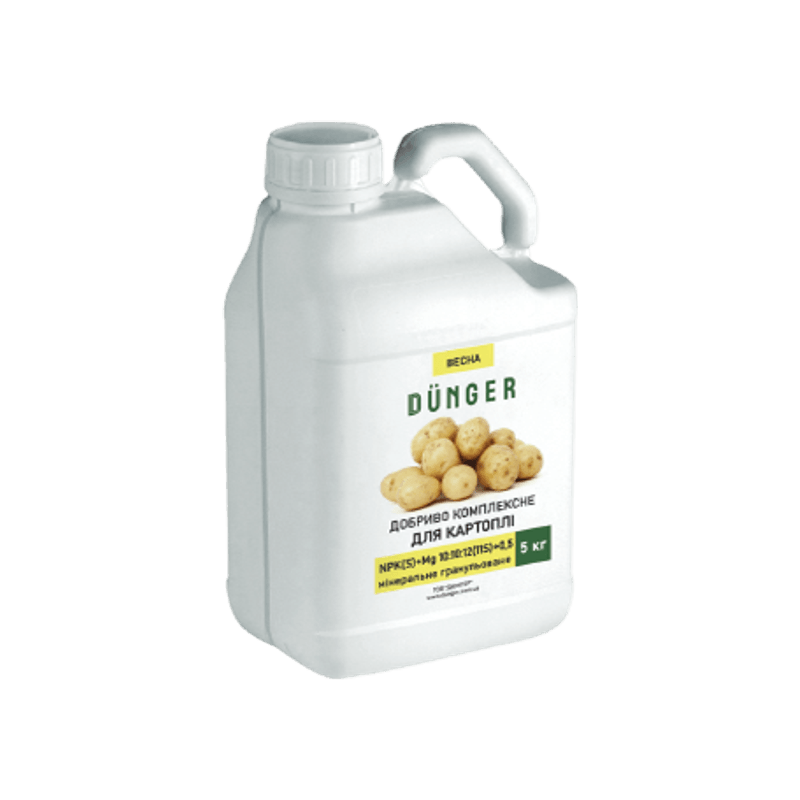
Complex fertilizer for potatoes granular
If the soil report and previous applications support a need for combined nutrients, compare this potato fertilizer with the recommendation for your bed. The product's area-based instruction lists 20-30 g/m². The instructions give a separate method for planting holes. Measure the area you intend to treat before choosing the 5 kg pack and read the complete directions for the method you will use. Before planting, compare the methods covered in the guide to fertilizing potatoes at planting.
Investigate scab-like markings before deciding how to feed those plants. Mark the potato bed in My Garden to keep the treatment area handy when working out how many packs you need. Record earlier ash, lime and fertilizer applications for your own reference.
Frequently asked questions about wood ash and potatoes
Leave it out unless a test and an explicit recommendation support that use. A concentrated portion changes conditions in a small volume beside the tuber, and the effect depends on the ash. Base any application method on the recommendation for that particular material.
Check whether the marks fit common scab and get the soil pH measured first. Where scab has occurred, set the ash aside while you review the variety, planting stock and rotation. Observe soil moisture around the start of tuber development as well.
Mark the treated area and the approximate date. If the application was patchy, sample the patches separately and wait for the results before applying anything else to change pH. If a nearby untreated section has similar soil, compare the samples before deciding how to manage each part.


