


Consider liming when a soil test shows that a bed is too acidic for the crop you plan to grow. Start with a representative sample, the intended crop and a laboratory recommendation. Soil pH helps you decide whether liming is worth considering. Choosing a material and an amount also calls for information on the soil and the method the lab used to work out the lime requirement.
Decide which beds need a change in pH
Soil acidity affects the availability of nutrients. Poor growth, yellow leaves or a particular weed does not give you a lime rate. Standing water, compaction and root injury can look similar above ground. Look at where plants struggle and assess the soil in your garden. That helps you choose where to sample instead of combining different problems from several beds.
Set a target for the crop rather than trying to make every bed neutral. Blueberries and rhododendrons have different needs from many garden vegetables. Where blueberries grow beside a vegetable bed, keep their root area separate. Read how to check soil acidity for blueberries and mark the boundary so the material for one bed stays out of the other.
Divide the garden into sampling areas
Two adjacent beds in a Ukrainian garden can have different soil reactions. In Polissia, one bed might be sandy while the next contains imported topsoil. Soil beside fill material on a slope can differ from the ground at the bottom. Building dust may have accumulated beside a path. Separate zones by soil origin, slope, crop and the record of earlier applications rather than sampling the whole garden as one area.
Ask the laboratory how deep to sample for the crop. In a uniform area take small portions at several points at the same depth. Move surface mulch aside and use a clean tool and bucket. A compost heap or a spot where granules were recently scattered should not determine the result for the whole bed. If that spot itself matters for diagnosis, submit it separately and label it. Keep a sketch of the positions, date and depth for the follow-up sample.
Why the pH reading alone cannot give a lime rate
Soil pH describes acidity as measured by the chosen method. The soil can replenish some of the acidity being neutralised. Two samples with the same initial pH can therefore need different amounts of liming material. Sandy soil and soil with more clay or organic matter do not necessarily respond in the same way.
Find out how the lab determines lime requirement. It may use a buffer test, hydrolytic acidity or another method calibrated for the local soils. Ask which soil depth and reference material its recommendation assumes. Do not directly compare a pH result from a water extract with one obtained in a salt solution. Use the same method when you test again. A home kit may help you identify different zones to sample, but does not give a reliable basis for calculating an amount of lime.
If a report only lists pH, do not convert it to kilograms. The same reading might come from a narrow sandy bed or a heavier bed where you plan to grow cabbage. The lab needs the crop, sample properties and a target range. Ask for help with the units if the recommendation is for a field and you intend to treat only a few small beds.
What to compare on the labels
Calcitic and dolomitic agricultural limestone differ in composition. Dolomitic material supplies magnesium as well as calcium. Consider it where testing shows low magnesium and also supports raising the pH. If magnesium is sufficient, check whether a calcitic material is suitable.
Look for an intended soil use, neutralising value and, where available, information on fineness. Finer carbonate particles generally react sooner. Two bags with the same weight can have different effects. Share the label with the lab if its recommendation assumes one agricultural limestone but the product on sale has a different composition or grind. Avoid caustic quicklime and hydrated building lime for this job.
Wood ash can also raise pH, and its composition depends on the wood and combustion conditions. Read about wood ash in the garden if you are considering it. An unknown amount of ash cannot stand in for the quantity of agricultural lime specified by the lab. The presence of calcium in a regular fertilizer does not make it a liming material either.
Plan the application and follow-up test
- Measure the confirmed area. Leave paths and neighbouring crops out of the calculation.
- Check the material, amount and distribution method against the recommendation and label.
- If the recommendation calls for mixing into the soil of an empty bed, use the specified depth. Do not dig through existing roots using the same method.
- Work when the soil is fit to handle without compaction. Protect neighbouring beds from drift or runoff, especially in wind, on a slope or ahead of heavy rain.
- Record the date, material, zone and amount. Ask when to collect the next soil sample.
Carbonate material reacts gradually, and soil moisture affects the process. Autumn after harvest may give you more time before the next planting if the lab has confirmed the need and the soil is workable. Neither autumn nor spring alone is a reason to repeat the treatment. If you see no immediate difference, wait for the advised testing point instead of adding a further amount.
Check the follow-up sample against the target reaction for the intended vegetables. If the problem remains only in one corner, revisit the sampling plan. Read the nutrient recommendation separately. Liming changes acidity. The fertilizer decision depends on the specific crop, the test result and previous inputs.
What if the report recommends different things for two beds?
Suppose the lab recommends lime for a cabbage bed and finds the second bed already suitable for its intended crop. Measure only the first area. If part of that bed will hold a different crop, check its target before including it. Keep material out of the second bed and leave the gap between them out of your area calculation.
If a new laboratory reports a different pH from last year, check the methods, sampling depths, composition of the samples and zones before applying more lime. Show both reports to the lab if something changed. Differences can reflect sampling or measurement instead of a shift in the bed, especially when recently applied material is still reacting.
Mark the limits before work, especially near an acid-loving bed. Clear leftover powder from tools without spilling it into the adjacent area. Record the area you treated, rather than the size of the whole vegetable garden.
Vegetable nutrition after the soil is checked
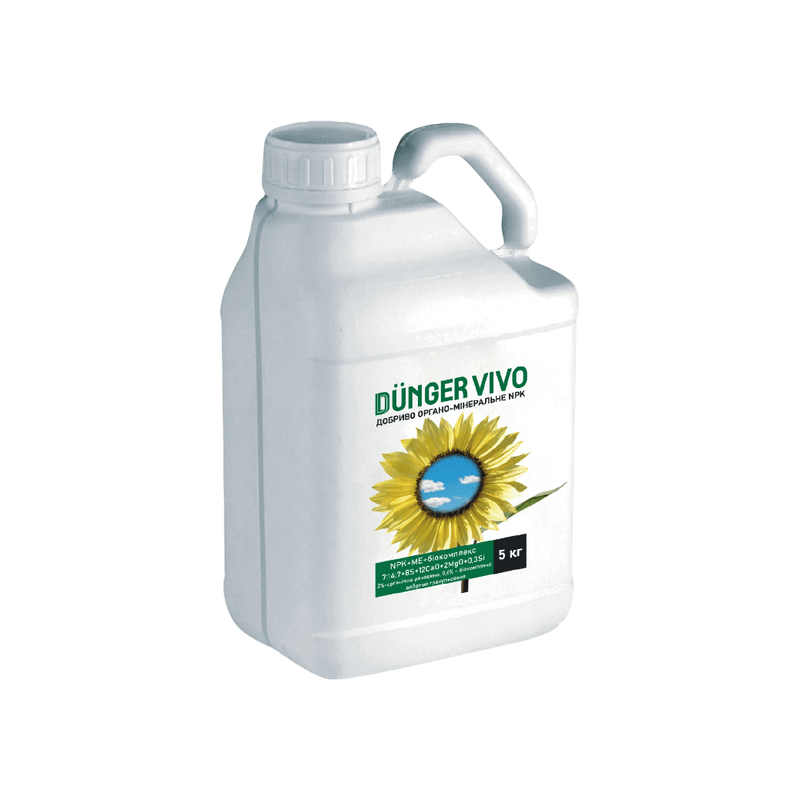
Organic-mineral fertilizer “DÜNGER VIVO” granulated
Once the pH is suitable and testing confirms a nutrient need, see whether DÜNGER VIVO granules fit the vegetable crop. This is a separate feeding decision. The acidity report determines any agricultural lime requirement.
For the 5 kg pack, check the vegetable bed area, growth stage and full directions. View the pack photo and price on the product page. Measure the feeding area separately from any area treated with lime.
Frequently asked questions
Weeds can help you notice differences between spots, but cannot identify the crop target or tell you how much lime to use. Compare separate samples from the troublesome and ordinary parts of the garden.
Confirm the need for liming first. Then check soil magnesium status, material composition and neutralising value. If the recommendation lacks the details you need to match a product to it, ask the lab before buying.
Use a follow-up test, the needs of the intended crop and the date of the last application. If the result is within the target range, leave that zone untreated. Test beds with different soils separately.
