

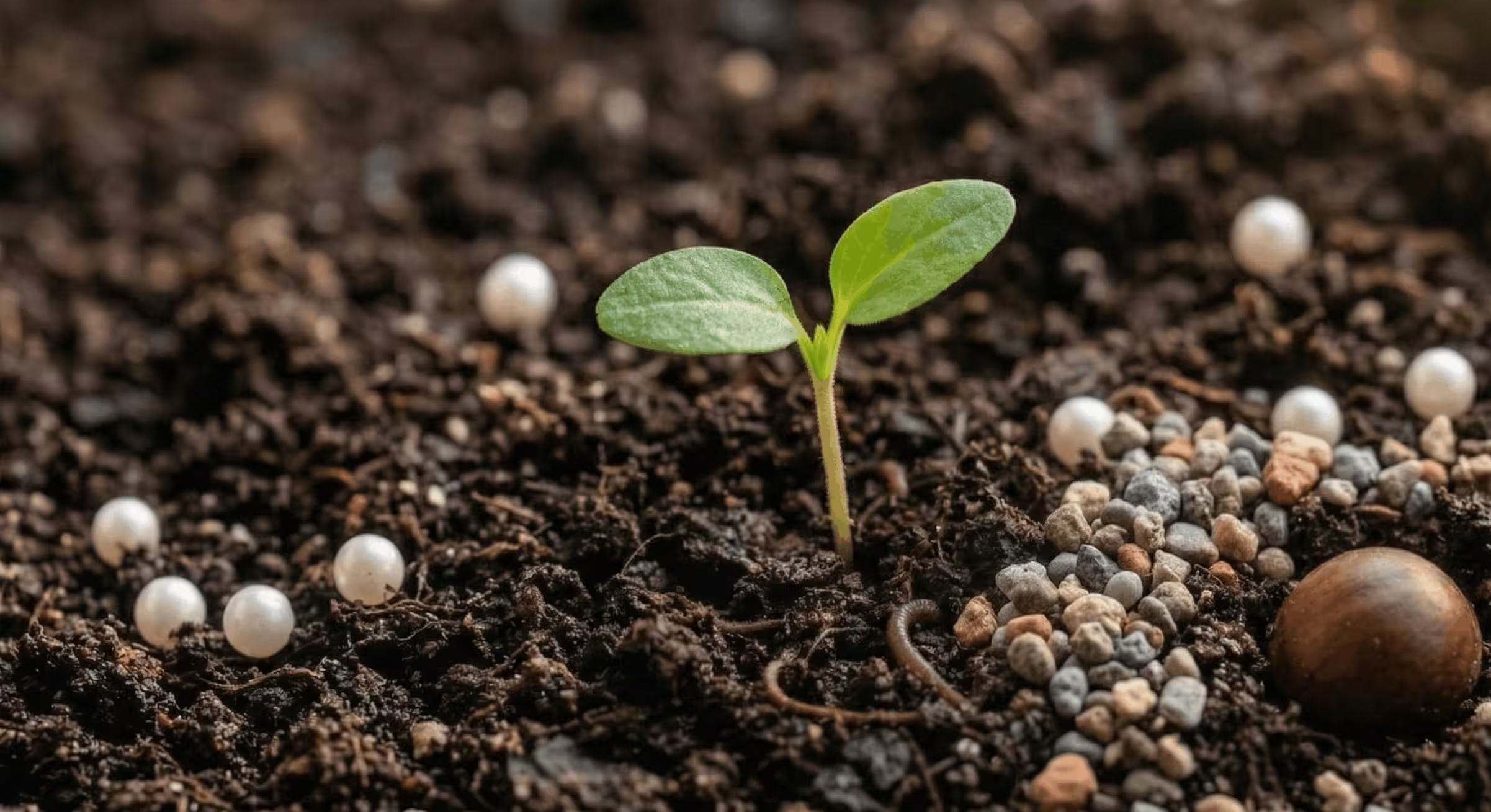

Blueberry Fertilizers - Buy from Manufacturer Dünger
Blueberry is the only garden crop that thrives where other plants fail: in acidic soil with pH 4.5-5.5. A wrong fertilizer choice or soil pH rising above 5.5 - and the plant stops growing, leaves turn yellow and fruiting ceases. Correct blueberry fertilizers maintain acidic soil pH, supply ammonium nitrogen and contain no harmful chloride. Delivery by Nova Poshta and Ukrposhta across Ukraine.
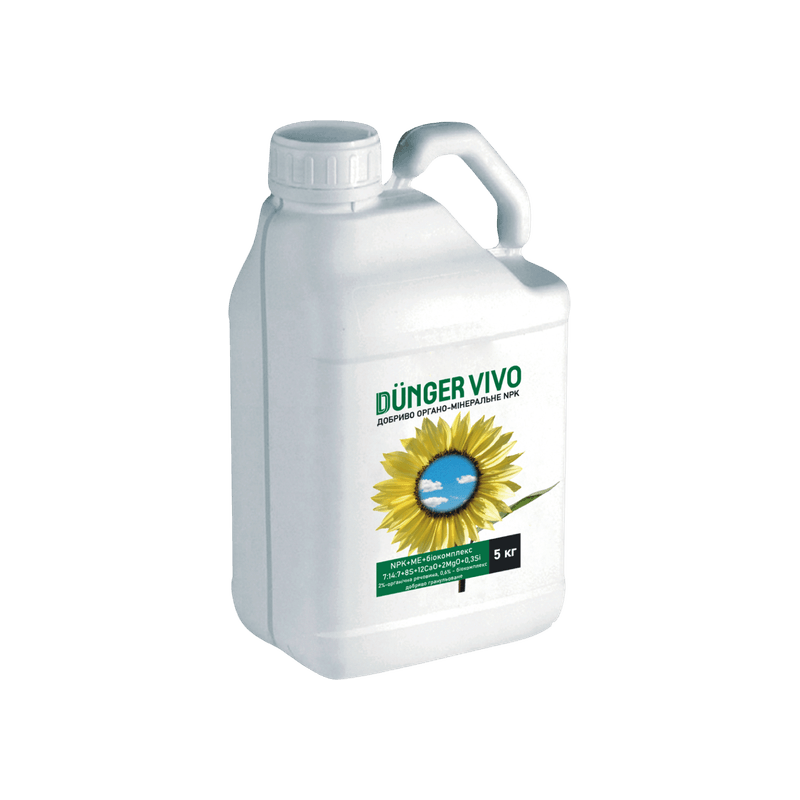
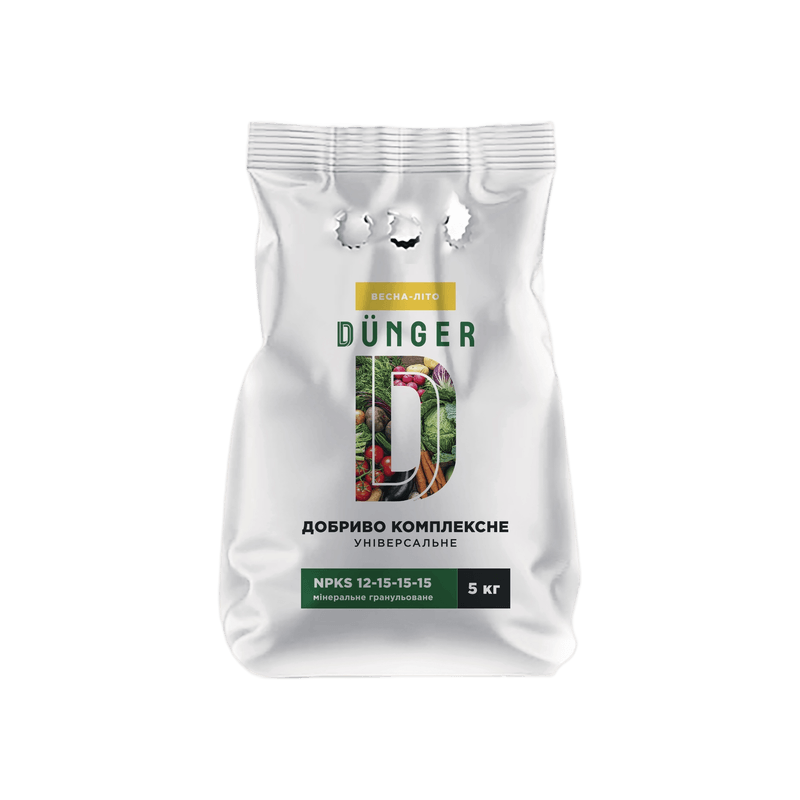
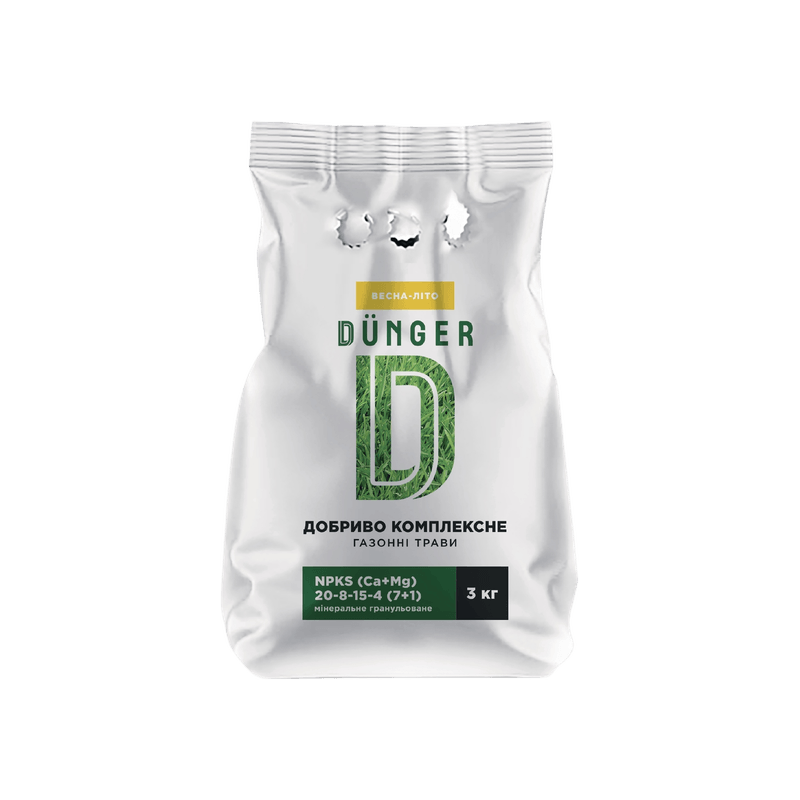
Why Blueberries Need Acidic Soil: pH 4.5-5.5 Is the #1 Rule
Highbush blueberry (Vaccinium corymbosum) is a unique crop: it belongs to ericoid plants whose root system functions only in symbiosis with ericoid mycorrhizal fungi. These fungi exist exclusively at pH 4.5-5.5. Above pH 5.5 - the mycorrhiza dies, and even if soil has adequate nutrients, the plant cannot absorb them.
At pH above 5.5, iron (Fe), manganese (Mn) and zinc (Zn) uptake is blocked - blueberry enters chlorosis: young leaves turn yellow between green veins, growth slows down, fruiting drops sharply or stops entirely. At pH above 6.5 the plant begins to die even if it looks healthy.
Before buying any blueberry fertilizer - measure your soil pH. A pH meter or litmus paper strips are mandatory for every blueberry grower. Measure pH every spring - fertilizers and rain gradually shift soil reaction.
What Is Strictly Forbidden for Blueberries
Most blueberry problems in Ukraine result from applying materials that are fundamentally incompatible with this crop:
- Lime and dolomite flour - raise soil pH. Even minimal liming can push pH from 5.0 to 6.5+ and completely destroy mycorrhiza. STRICTLY FORBIDDEN.
- Wood ash - alkaline reaction, ash pH = 10-12. Even a small amount of ash near blueberry causes direct damage. STRICTLY FORBIDDEN.
- Fresh or composted manure - raises pH and introduces pathogens (Phytophthora). Blueberry cannot tolerate manure-based organics. STRICTLY FORBIDDEN.
- Nitrate forms of nitrogen (ammonium nitrate, calcium nitrate, sodium nitrate, complex fertilizers like 'Nitroamophoska') - at acidic pH, nitrate ions NO3- are reduced by microorganisms to toxic forms. Blueberry absorbs nitrate nitrogen very poorly. STRICTLY FORBIDDEN.
- Chloride-containing fertilizers (potassium chloride KCl, found in many cheap NPK fertilizers) - the chloride ion Cl- is toxic to blueberry even in small amounts. Always check the fertilizer label before applying. STRICTLY FORBIDDEN.
Nitrogen for Blueberries: Ammonium Form Only
Blueberry absorbs nitrogen exclusively as ammonium NH4+. The nitrate ion NO3- is essentially unavailable at acidic pH and toxic in excess. This fundamentally distinguishes blueberry from most garden crops.
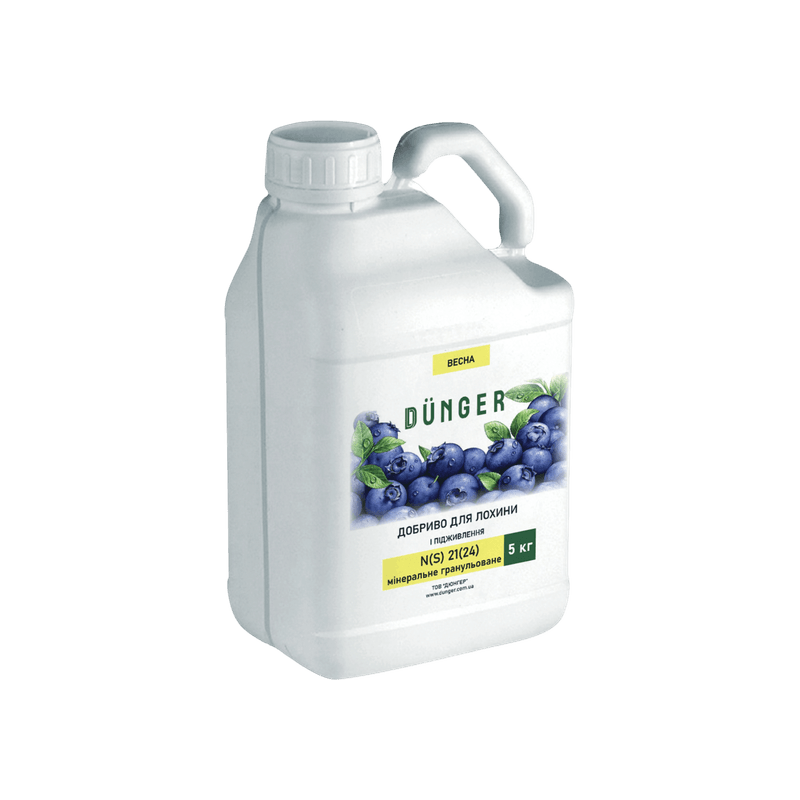
Ammonium sulfate (NH4)2SO4 - the ideal nitrogen source for blueberries: 21% ammonium N + sulfur (acidifies soil). Rate: 30-40 g per mature bush (3-5 years) at bud break in spring. First-year plants: 15-20 g. Second year: 20-25 g. Apply to moist soil and water in immediately.
Important: 50% of the annual nitrogen dose is applied at bud break (March-April), the remaining 50% - at the start of berry fill (May-June). Do not apply nitrogen after August 15 - shoots must harden before winter.
Phosphorus and Potassium for Blueberries: Chloride-Free DÜNGER Products
For phosphorus and potassium feeding of blueberries, it is critical to use chloride-free fertilizers. These DÜNGER products are suitable:
DÜNGER Phosphorus-Potassium (SKU 19) - formula P23-K30 - chloride-free granule for mid- and late-season feeding. High P and K concentration with no nitrogen and no chloride - ideal for the second feed (berry fill) and third feed (post-harvest). Phosphorus P23 stimulates root development and bud set for next season. Potassium K30 increases berry sugar content, strengthens cell walls and improves frost tolerance. Rate: 15-20 g per bush during berry fill + 20-25 g after harvest.
DÜNGER Autumn Complex (SKU 601) - N5-P14-K21-S6-Si0.3% - for preparing blueberries for winter. Minimal nitrogen N5% does not stimulate autumn growth. Maximum potassium K21% strengthens shoot wood and improves frost hardiness. Sulfur S6% maintains soil acidity. Silicon Si0.3% strengthens cell walls. Rate: 20-25 g per bush in August-September.
Blueberry Feeding Schedule: Three Applications per Season
Blueberry is a long-lived perennial: a bush produces for 30-50 years. A correct feeding scheme ensures stable annual yields:
- Feed 1 - Bud break (March-April):
Ammonium sulfate 30-40 g per mature bush - 50% of annual N dose.
Apply over mulch surface, water in.
Goal: trigger shoot and leaf growth after winter. - Feed 2 - Berry fill begins (May-June):
Ammonium sulfate 15-20 g (remaining 50% N) + SKU 19 (P23-K30) 15-20 g per bush.
Apply after watering.
Goal: maximize berry sugar content, maintain leaf color. - Feed 3 - Post-harvest (August-September):
SKU 601 (N5-P14-K21-S6-Si0.3%) 20-25 g per bush or SKU 19 20-25 g.
Apply in August - no later than early September.
Goal: set next season's flower buds, prepare for winter.
Young plants (1-2 years) need half doses. In the planting year, start feeding 4-6 weeks after planting.
Soil Acidification for Blueberries: Practical Methods
If soil pH exceeds 5.5 - acidification is required before planting or after annual measurement. Effective methods:
- Elemental sulfur - longest-lasting effect (6-12 months). Rate: 100-150 g/m² at pH 6.0; 200-300 g/m² at pH 6.5+. Apply in autumn before digging; soil bacteria convert S to H2SO4.
- Ammonium sulfate - acidifies soil with regular use while simultaneously supplying nitrogen. Effect accumulates over 2-3 years.
- Citric acid in irrigation water - 1-2 g/10 L. Acidifies watering, especially useful with hard water (pH>7).
- Acid mulch - pine bark, conifer sawdust, acidic peat. A 10-15 cm layer around the bush maintains moisture and gradually acidifies soil. Essential agrotechnique for blueberries.
Problem symptoms and causes:
- Young leaves yellow between green veins - chlorosis from Fe or Mn deficiency at pH>5.5. Measure pH. Foliar with chelated iron or manganese sulfate.
- Leaves getting smaller, weak shoots, small berries - general nutrient deficiency or pH outside 4.5-5.5 range.
- Red leaves in summer - magnesium deficiency or excess K. Foliar spray with magnesium sulfate 20 g/10 L.
- Shoot tip dieback - boron or calcium deficiency. Boric acid 1 g/10 L foliar.
Deliver DÜNGER blueberry fertilizers across Ukraine: Kyiv, Kharkiv, Dnipro, Odesa, Zaporizhzhia, Lviv, Kryvyi Rih, Vinnytsia, Poltava, Mykolaiv, Chernihiv, Cherkasy, Zhytomyr, Sumy, Rivne, Ternopil, Khmelnytskyi, Ivano-Frankivsk, Lutsk, Uzhhorod, Chernivtsi and other cities of Ukraine.
Blueberries not fruiting, yellowing or dying after winter? Call us and a Dünger agronomist will assess your soil pH, design an acidification and feeding plan for your plot. Free consultation.
📞 +38 (097) 671-53-83 - free consultation. Mon-Sun 8:00-20:00. Delivery from 0.5 kg.
Dünger Fertilizer Delivery Regions Across Ukraine
Buy Dünger mineral and organo-mineral fertilizers with delivery to any region of Ukraine. Select your oblast - and get fertilizers direct from the manufacturer for your garden, farm or agribusiness. Delivery via Nova Poshta and Ukrposhta to all cities, villages and district centres. Produced in Rivne Oblast, Dunger LLC.
- Order Fertilizers — Vinnytsia
- Order Fertilizers — Volyn
- Order Fertilizers — Dnipropetrovsk
- Order Fertilizers — Zhytomyr
- Order Fertilizers — Zakarpattia
- Order Fertilizers — Zaporizhzhia
- Order Fertilizers — Ivano-Frankivsk
- Order Fertilizers — Kyiv Oblast
- Order fertilizers — Kyiv City
- Order fertilizers — Kirovohrad
- Order fertilizers — Lviv
- Order fertilizers — Mykolaiv
- Order fertilizers — Odesa
- Order fertilizers — Poltava
- Order fertilizers — Rivne
- Order fertilizers — Sumy
- Order fertilizers — Ternopil
- Order fertilizers — Kharkiv
- Order fertilizers — Kherson
- Order fertilizers — Khmelnytskyi
- Order fertilizers — Cherkasy
- Order fertilizers — Chernivtsi
- Order fertilizers — Chernihiv
Fertilizers from Manufacturer in Rivne Region
Order & Inquiry
Get in touch

Order mineral and organo-mineral fertilizers directly from the manufacturer. We will help you choose the right product for your garden, farm or landscape.
Hello!
Let's get acquainted and help you
Press Enter to continue
By clicking the button, you agree to privacy policy