

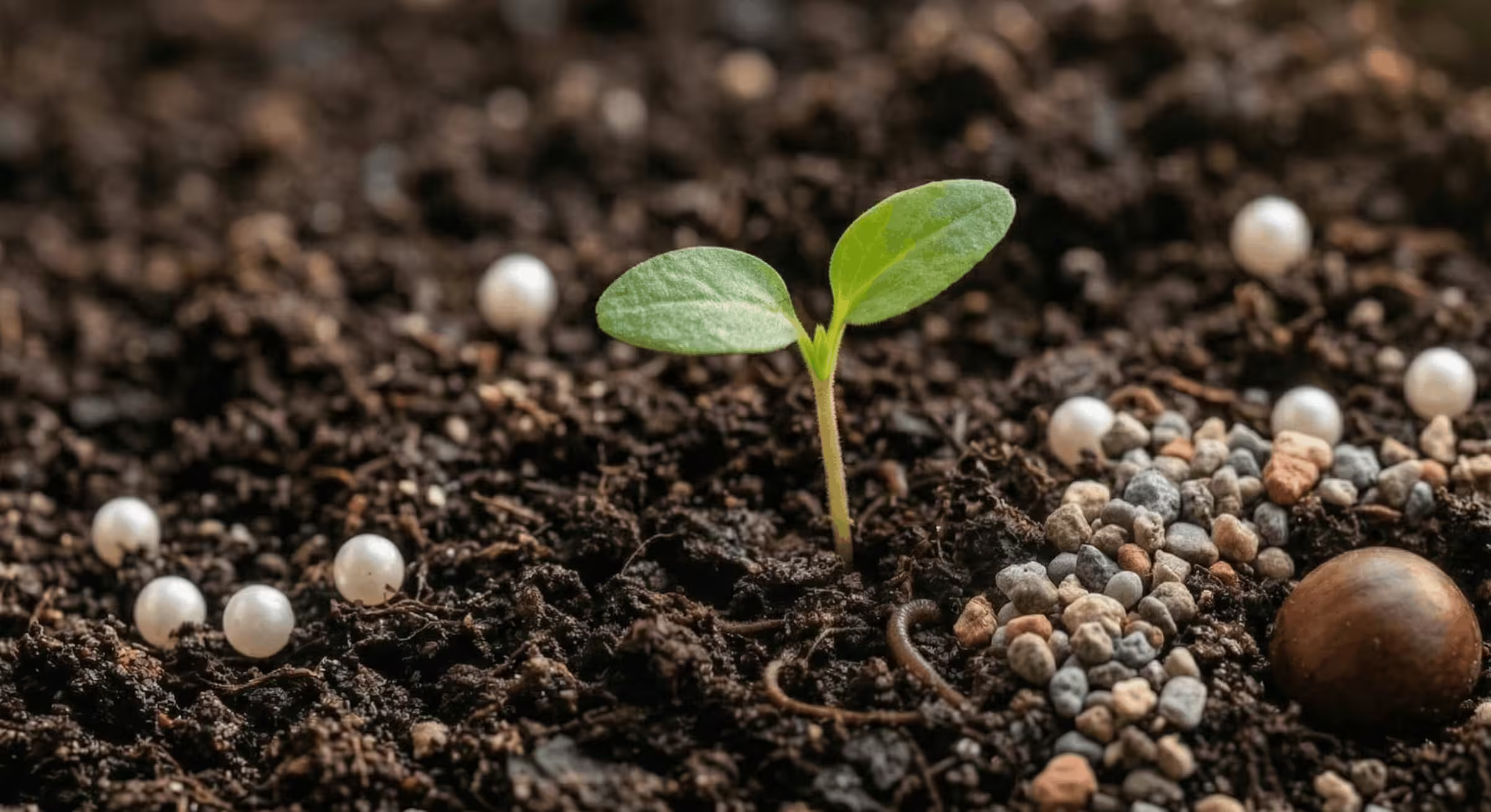

Peony Fertilizers - Buy from Manufacturer Dünger
Peonies live in one spot for 20-30 years: every feeding is an investment in years of future bloom. Three correct doses per season - in spring, before budding and after bloom - determine whether the bush will flower abundantly next year. The post-bloom feeding is especially critical: that is when next season's buds are initiated. DÜNGER granular peony fertilizers: three feedings per season for abundant, long-lasting bloom every year. Delivery by Nova Poshta and Ukrposhta across Ukraine.

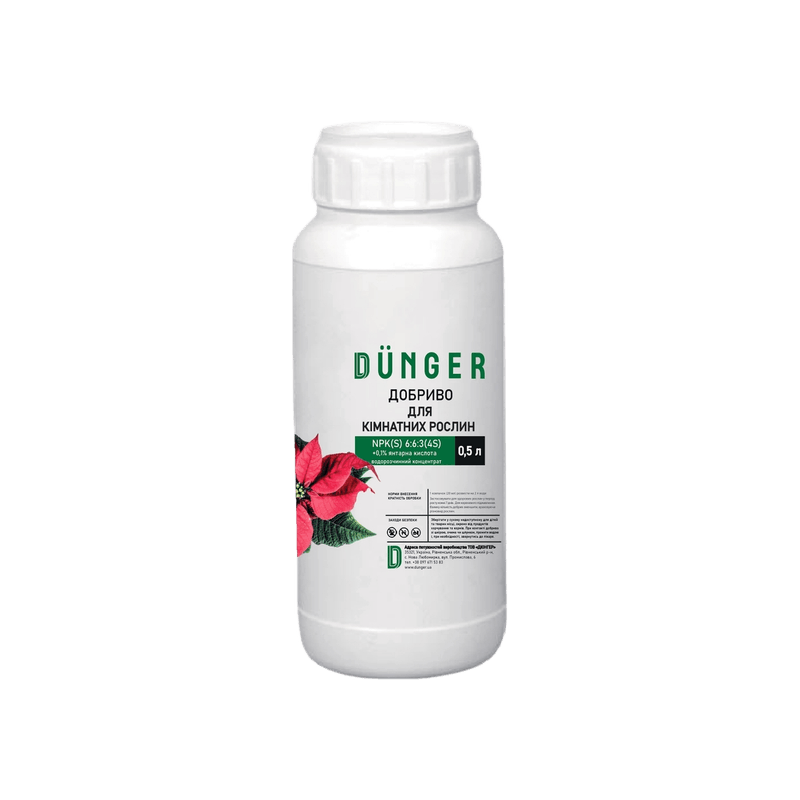
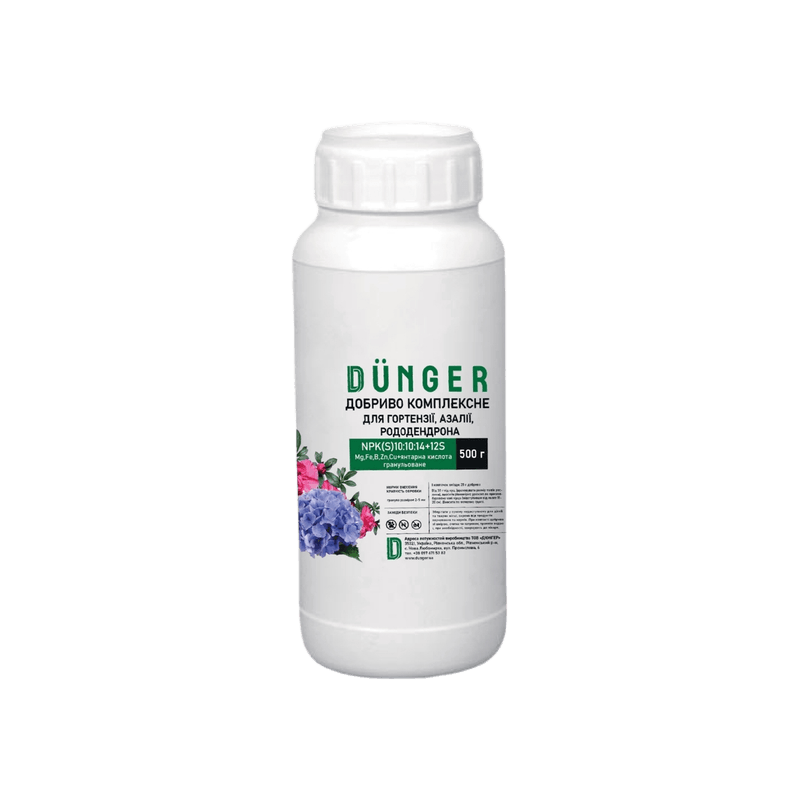
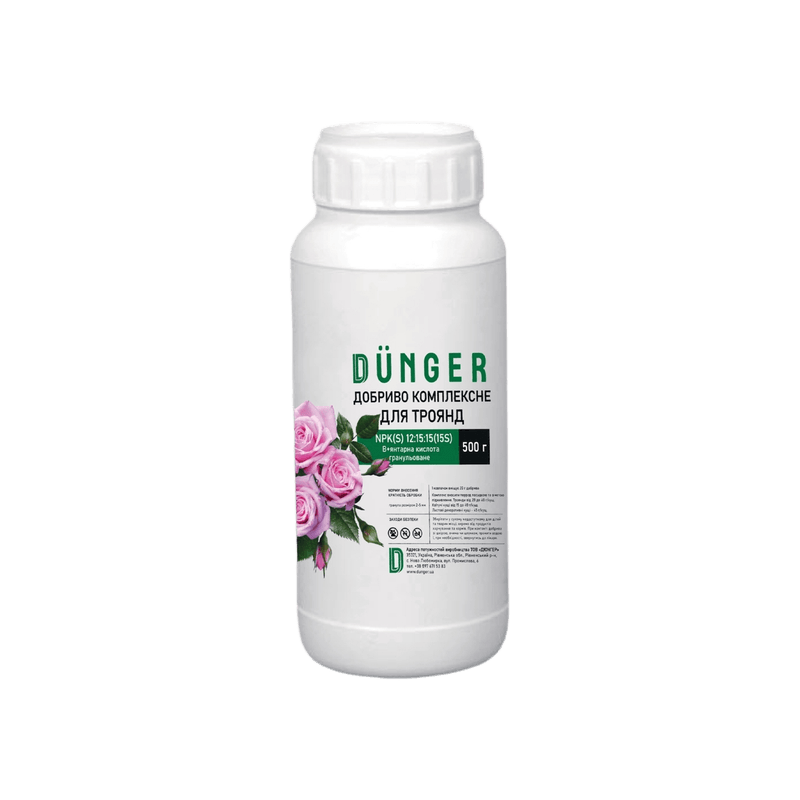
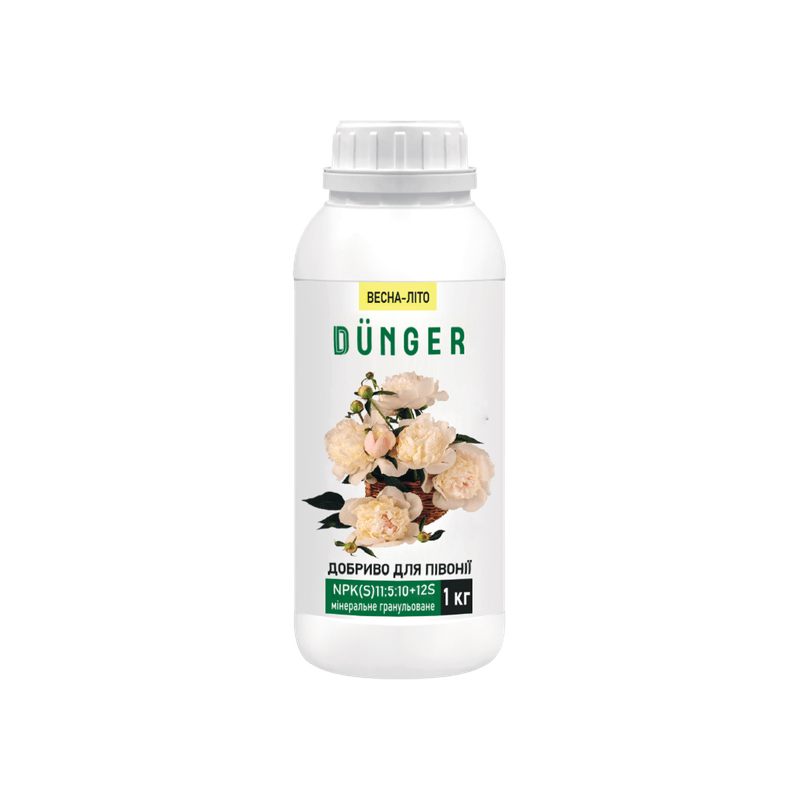
Why Peony Fertilization Is an Investment in Years of Bloom
Peonies are among the most long-lived garden plants: they grow in one spot for 20-30 or more years. Every feeding is not just care for this season but an investment in the bloom of the next, and the one after.
The correct feeding schedule for peonies includes three distinct moments per season. Skip even one of them - especially the post-bloom feeding - and next year's bloom will suffer. Peonies 'remember' their care.
Optimal soil pH for peonies: 6.0-7.0 (slightly acidic to neutral). On acidic soils (pH below 6.0) even correct fertilizer is poorly absorbed: liming is the necessary first step.
Feeding 1: Spring at Shoot Emergence (April)
As soon as peony shoots reach 3-5 cm tall, it is time for the first feeding. At this moment the plant breaks dormancy and activates growth: leaf unfolding, stem elongation, root system renewal.
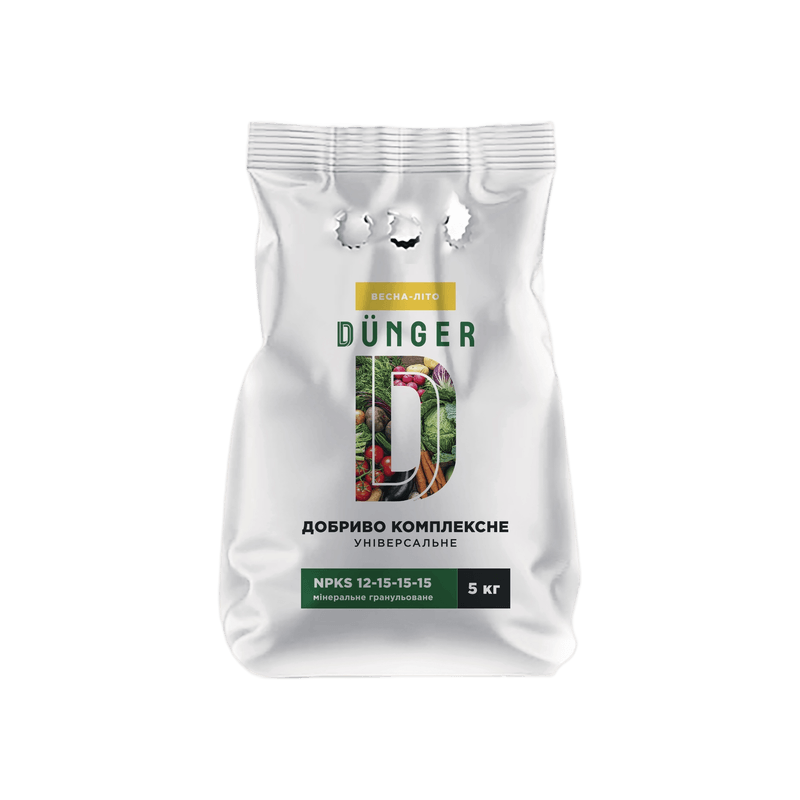
DÜNGER SKU 1 (N12-P15-K15-S15) - 40-50 g per large bush (3+ stems) or 30 g/m². N12 builds leaves, stems and chlorophyll. P15 stimulates fine root growth that absorbs water and nutrients. K15 regulates water balance. S15% improves nitrogen and other element uptake.
Spread granules evenly in a 20-30 cm radius from the crown (not touching the shoots) and lightly work into the soil 3-4 cm or water thoroughly after application.
Note: do not exceed the dose. Excess nitrogen in spring is one reason peonies produce lush foliage but few or no flowers.
Feeding 2: Pre-Budding with Boron (Late May)
When first buds appear on peony stems - typically late May or early June - the critical moment for the second feeding arrives. This is when it is decided: how many buds will open, how large the flowers will be and how many petals each will have.
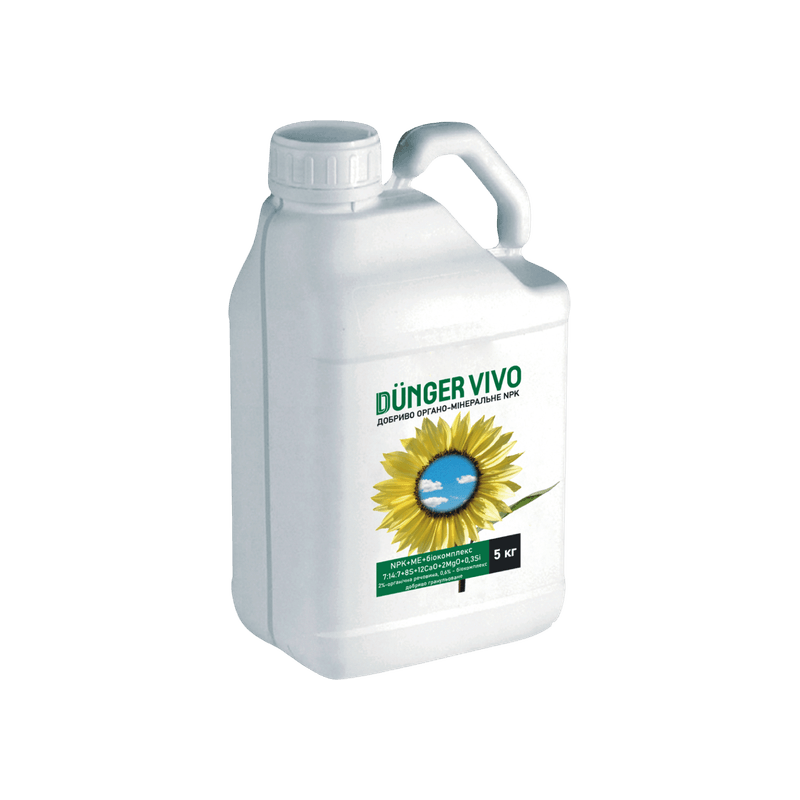
DÜNGER SKU 18 (N12-P15-K15-S15-B0.35%) - 25-30 g per bush. Boron B0.35% is the key element of this feed:
- Boron directly participates in flower bud differentiation. With B deficiency, some peony buds remain 'blind': the bud forms but fails to open and dries up.
- Adequate B = more fully opened flowers with the maximum number of petals (especially important for double varieties).
- Boron also improves pollen production and pollination, extending the bloom period.
P15 and K15 in SKU 18 support bud growth and filling. This feeding cannot be replaced by post-bloom application - it will no longer influence the quality of current-season buds.
Feeding 3: After Bloom (July-August) — The Most Critical
Once the flowers have faded and only leafy stems remain, most gardeners stop feeding - and this is the most common mistake in peony care.
July-August is when the peony does its most important seasonal work: it stores reserves in the roots and forms new dormant buds - the very buds that will become next year's stems and flowers. The number and quality of those buds is decided right now.
DÜNGER SKU 19 (P23-K30) - 20-25 g per bush. Can repeat in late August. Zero nitrogen: N is no longer needed as the plant is not building leaf mass. P23 fuels dormant bud formation. K30 drives carbohydrate accumulation in the roots - the more K stored, the more powerful the spring flush and the more buds will form.
Skip this feeding even one year and next year's flower count will drop. Two or three consecutive missed years and the peony can shift into a 'leaf mass with no bloom' state.
Peonies Not Flowering: 6 Reasons and How to Fix Them
If your peony grows but does not bloom, here are the most common causes ranked by frequency:
- Planted too deep — the most common cause. The crown (buds at the top of the root system) must be no more than 3-5 cm below the soil surface. Deeper than 8-10 cm — the peony grows but refuses to bloom for years. Solution: carefully replant in August-September at the correct depth.
- Excess nitrogen — lush, dark-green foliage but no flowers. Reduce the SKU 1 dose in spring; switch to SKU 18 and SKU 19 sooner.
- Post-bloom feeding skipped — new buds did not receive P and K and remained underdeveloped. Solution: SKU 19 in July-August without missing seasons.
- Young plant — a peony planted less than 3 years ago rarely blooms. First full bloom usually occurs in year 3-4. Correct feeding speeds up the process.
- Division too small at transplanting — a division must have at least 3-5 buds. From 1-2 buds the bush establishes slowly and blooms only in year 4-5.
- Shade — peonies need a minimum of 6 hours of direct sun per day. In shade they bloom weakly or not at all.
What Is Forbidden and Nutrient Deficiency Signs in Peonies
Strictly forbidden:
- Fresh manure or poultry droppings — high concentrations of ammonia and salts burn the crown and trigger crown rot (Botrytis blight) - the most dangerous peony disease, capable of killing the bush in one season. Even composted manure should be applied very cautiously and only between plants.
- Nitrogen fertilizers after August: stimulate soft late growth that fails to harden before frost.
- Waterlogging: peonies cannot tolerate saturated soils - the bed must have drainage.
Nutrient deficiency signs:
- Buds form but fail to open ('blind' buds) — boron (B) deficiency. Foliar boric acid 1-2 g/10 L + timely SKU 18.
- Older leaves yellowing between green veins — magnesium (Mg) deficiency. Foliar magnesium sulfate 20 g/10 L twice, 10 days apart.
- Dull, pale-green leaves — iron (Fe) deficiency (more common at pH>7.0). Foliar chelated iron spray.
- Dark purple tints on stems and leaves — phosphorus (P) deficiency, especially in cold spring weather. Correct pH and apply SKU 1 or SKU 18.
Deliver DÜNGER peony fertilizers across Ukraine: Kyiv, Kharkiv, Dnipro, Odesa, Zaporizhzhia, Lviv, Kryvyi Rih, Vinnytsia, Poltava, Mykolaiv, Chernihiv, Cherkasy, Zhytomyr, Sumy, Rivne, Ternopil, Khmelnytskyi, Ivano-Frankivsk, Lutsk, Uzhhorod, Chernivtsi and other cities of Ukraine.
Peonies not blooming or bloom is weak? Call us and a Dünger agronomist will identify the cause and build a feeding plan. Free consultation.
📞 +38 (097) 671-53-83 - free consultation. Mon-Sun 8:00-20:00. Delivery from 0.5 kg.
Dünger Fertilizer Delivery Regions Across Ukraine
Buy Dünger mineral and organo-mineral fertilizers with delivery to any region of Ukraine. Select your oblast - and get fertilizers direct from the manufacturer for your garden, farm or agribusiness. Delivery via Nova Poshta and Ukrposhta to all cities, villages and district centres. Produced in Rivne Oblast, Dunger LLC.
- Order Fertilizers — Vinnytsia
- Order Fertilizers — Volyn
- Order Fertilizers — Dnipropetrovsk
- Order Fertilizers — Zhytomyr
- Order Fertilizers — Zakarpattia
- Order Fertilizers — Zaporizhzhia
- Order Fertilizers — Ivano-Frankivsk
- Order Fertilizers — Kyiv Oblast
- Order fertilizers — Kyiv City
- Order fertilizers — Kirovohrad
- Order fertilizers — Lviv
- Order fertilizers — Mykolaiv
- Order fertilizers — Odesa
- Order fertilizers — Poltava
- Order fertilizers — Rivne
- Order fertilizers — Sumy
- Order fertilizers — Ternopil
- Order fertilizers — Kharkiv
- Order fertilizers — Kherson
- Order fertilizers — Khmelnytskyi
- Order fertilizers — Cherkasy
- Order fertilizers — Chernivtsi
- Order fertilizers — Chernihiv
Fertilizers from Manufacturer in Rivne Region
Order & Inquiry
Get in touch

Order mineral and organo-mineral fertilizers directly from the manufacturer. We will help you choose the right product for your garden, farm or landscape.
Hello!
Let's get acquainted and help you
Press Enter to continue
By clicking the button, you agree to privacy policy