


A potassium-magnesium fertilizer can suit a crop when both nutrients are needed and the proportions in the chosen product fit the recommendation. Yellow leaves alone cannot establish that need. Check roots, water, soil acidity and previous applications, then assess potassium and magnesium separately. If only one is low, choose the composition to address that finding.
When the combination may be useful
Plants need potassium and magnesium, but requirements depend on the crop and soil. Magnesium is part of chlorophyll. A potassium result gives you little information about magnesium. If a report identifies low potassium, check whether magnesium was measured. A pH reading alone also leaves both of those questions open.
Products described as potassium-magnesium fertilizers can differ in composition and nutrient forms. They may also supply sulfur or other components. Read the declaration for the exact product you are considering. The group name gives you only part of the information about concentration, solubility or method. Account for other fertilizers already used on the bed.
Read the two results separately
Potassium is low and magnesium is sufficient
Look for a potassium source that suits the crop and soil. Extra magnesium may be unnecessary. Ask how much potassium the identified zone needs and which accompanying nutrients are suitable. The guide to potassium sources for garden beds can help with the comparison. Make a separate decision for the neighbouring bed if its history differs.
Magnesium is low and potassium is sufficient
Choose a magnesium source by soil reaction and crop requirements. Avoid increasing a potassium application just to obtain more magnesium with it. Excess potassium can interfere with magnesium uptake. If the soil also needs lime, assess the material for both jobs. A bed with suitable pH needs a different decision from one requiring liming.
Both nutrients are low
Compare the recommended amounts with the share of each nutrient in the product. A combined source fits when it supplies both in suitable proportions and has a method appropriate to the crop. If the rate for one would oversupply the other, ask about separate sources. Write down which nutrient limits your choice instead of increasing the total application.
Both nutrients are sufficient
Leave an additional application out of the plan unless the crop assessment establishes another reason. For poor growth, return to water, roots, compaction, light and possible damage. A nutrient test can narrow the investigation but cannot explain every spot. If the problem is progressing, arrange an assessment of the plant and root zone.
What to check when leaves turn yellow
Magnesium deficiency often starts on older leaves. In some crops, tissue between the veins becomes paler. Similar signs can have other causes. Record which leaves changed first, whether veins stayed green, how the young growth looks and whether neighbouring plants show the same pattern. Include a photo of the whole plant alongside a leaf close-up.
Check moisture at root depth and conditions under mulch or inside a container. Feeding will not drain waterlogged soil around damaged roots. If a bed has repeatedly dried out, assess the water supply before the next feeding. For tissue analysis, ask which plant part and growth stage to sample. Random leaves of different ages can make the result difficult to interpret.
Why test method and previous applications matter
Laboratories can use different methods to assess available potassium. Two numbers may need different interpretation scales. Ask for an explanation using the method in the report. Likewise, total magnesium in parent material or soil is a different measurement from the fraction assessed for plant nutrition. Keep the full report labelled with the bed name.
In a Ukrainian plot, an old vegetable bed regularly receiving manure can differ from a new raised bed. Note any ground treated with dolomitic material. Check the soil rather than inferring magnesium need from the texture alone. Use the guide to assessing garden soil to compare areas. If acidity needs correction, see the guide to liming acidic garden soil.
Compare the product with the recommendation
Find how each nutrient is expressed in the declaration. A report and a label may use different units or forms. Ask about conversion if needed. Percentages describe the product. The directions give the application rate for a crop. Use the instructions for the exact pack you choose.
Check every component. A compound can supply nitrogen, phosphorus and other nutrients along with potassium and magnesium. All of these additions must fit the need. The presence of magnesium in a blend alone cannot justify the whole formula. The guide to phosphorus-potassium fertilizers explains how to read another type of composition.
A choice for two zones
Suppose the old vegetable bed has sufficient potassium and needs further assessment of magnesium. A test of the new bed identifies a need for both. Ask about a magnesium source for the first bed, and compare combined products for the second. If you buy one product for several areas, establish the need for each before splitting it by area.
Label the plan cucumber bed and cabbage bed, rather than vegetable garden. Add the sampling date and intended crop. If you applied compost or fertilizer after sampling, mention it when clarifying the amount. The later input changes what you know about the bed. Keep it beside the original report.
Questions to resolve before ordering
Check whether both needs are confirmed, which nutrient determines the amount and whether the other components fit. Ask about the stage and permitted method for the intended crop. Bring the complete report and photos of earlier packs if you still use leftovers. That can help you avoid counting the same input under different product names.
When and how to plan application
Use the crop requirement and the chosen product's exact method. Main soil application, feeding during growth and container use are different tasks. Dissolving granules for watering or applying them to leaves requires suitable directions. Record the intended stage, then inspect the actual soil and plant before you work.
Prepare a scale, measure the required area and record earlier applications. Compare the calculated amount with a pack you can store as directed. After application, assess new growth and the whole plant rather than a single old leaf. Use a comparable sampling method for follow-up tests.
Compound nutrition for an assessed vegetable bed
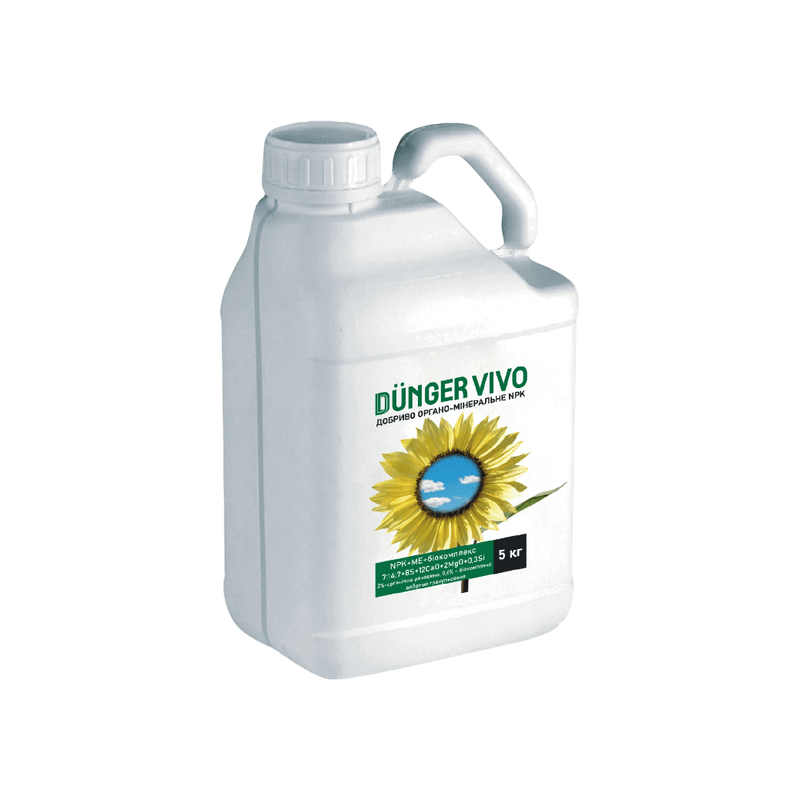
Organic-mineral fertilizer “DÜNGER VIVO” granulated
Consider this option for a vegetable bed whose assessment supports the complete compound composition. Its directions include vegetables, main application during spring soil preparation and use during growth. Potassium and magnesium come with other components, so check that the entire formula fits the need.
The pack is 5 kg. Compare the calculated need for this particular zone with the pack, and check the complete method and rate on the product page. Recalculate all components before increasing a blend to supply one nutrient.
Frequently asked questions
Assess the crop and soil first. Neighbouring beds can have different application histories. The decision needs information about both nutrients.
They are a reason to inspect the plant. Leaf age, roots, moisture and analysis help establish the cause. Avoid choosing a rate from a photo alone.
Calculate what the extra product supplies of the other nutrients. If those amounts are unsuitable, ask about another magnesium source.


