


Consider bone meal fertilizer when a soil test points to a phosphorus need and the soil pH and timing suit a source that releases nutrients gradually. Planting bulbs, moving flowers or seeing weak roots is not enough reason to use it. Start with what the ground lacks. One border may need phosphorus, while the next has enough and the berry bed needs a separate source of potassium.
What bone meal supplies to the soil
Garden bone meal is made from processed bones and contains phosphorus and calcium compounds. The exact analysis varies between products. Ordinary bone meal is mainly a phosphorus source. If your report calls for potassium, look for a product whose analysis declares the potassium your soil needs. The material's name alone does not tell you its nutrient content or whether it fits your garden.
The total phosphorus printed on the bag and the share available to roots when they need it are different things. Bone meal releases phosphorus gradually. Availability can be low in alkaline or carbonate-rich ground. In moderately acidic soil some of those compounds dissolve more readily, but the bed still needs to show a phosphorus requirement. If roots are struggling because the ground is cold, waterlogged or compacted, additional phosphorus will not correct those conditions.
Do not infer soil pH from its color, from moss or from the name given to the soil. In a Ukrainian garden, soil brought in for a raised bed can differ from the old vegetable plot or the strip by a foundation. The latter may include building debris. If one area gets compost every year and another has never been fertilized, a single combined sample can conceal a difference that matters for buying fertilizer.
Order the tests you need before buying
For this decision, ask for soil pH and tests for available phosphorus and potassium. The laboratory can explain how to sample for the crop and which tests are suitable. Numbers from different extraction methods may not use the same interpretation. Ask for the report's own explanation and name the crop. The recommendation for vegetables may differ from the guidance for fruit plants or a flower border.
Take separate samples where soil, drainage or previous applications differ appreciably. Label the samples and keep a simple plan of the plot. Record past compost, manure, ash and phosphorus additions. Use the garden soil assessment guide to prepare for sampling. If you have results for only one area, limit the decision to that area until the other beds have been assessed.
Read phosphorus and potassium results separately
- Phosphorus is sufficient. Skip bone meal. Past applications of compost or manure may already have supplied phosphorus.
- Phosphorus is low and potassium is sufficient. Choose a phosphorus source that fits the soil reaction and the time when the crop will need it.
- Potassium is low and phosphorus is sufficient. Follow the potassium recommendation and check the other ingredients. See the guide to potassium sources for garden beds.
- Both are low. Check whether the ratio in a combined fertilizer suits this bed, crop and stage.
Two low readings do not mean the soil needs equal amounts of the two nutrients. Check the recommended amount of each separately. A combined granule can make sense if both nutrients are needed in its stated ratio. If adding enough of one would oversupply the other, ask about separate sources. For help comparing labels, see the phosphorus-potassium fertilizer guide.
A decision for two parts of a garden
Suppose you are extending an established perennial border. One sample comes from the part that has received compost for years. The other is from the new end, filled with soil brought in from elsewhere. The old part tests sufficient in phosphorus and low in potassium. The new end is low in phosphorus and sufficient in potassium. Ask about a potassium source for the old planting. For the new end, choose a phosphorus source that fits its measured soil reaction. A single combined product for the whole border could oversupply a different nutrient at each end.
Lay out both reports and mark the conclusions on a garden sketch. If you replaced soil after sampling, the old result describes the previous conditions. Ask the laboratory when and where to collect another sample. If a report only gives total phosphorus, ask for the available form. That distinction matters when deciding whether to buy fertilizer for the coming season.
Compare bone meal with other materials
Start with the job each material does. Compost can improve structure and water management, and it also contributes some nutrients. Include that contribution before adding another phosphorus source. Soil conditioning and supplying an identified nutrient need are different jobs, even when one material does a little of both. If you already use poultry manure, review the forms and limits of using chicken manure before planning the next application.
Wood ash has a different composition and can raise soil pH. If the soil is already alkaline or was recently limed, avoid combining ash and bone meal by habit. Check the soil reaction and read the guide to using wood ash in the garden. Review any commercial mixtures already applied. Several bags with different names may each add phosphorus, so list what went on the bed before choosing another source.
Allow for the time between application and uptake
Bone meal is a poor choice when the goal is to correct a problem within days. For a new flower bed, decide when the roots will be able to use nutrients and whether there is time for gradual release. Check the soil first after a long dry or wet spell. When Ukrainian gardens warm unevenly in spring, slow growth on a cool bed does not prove a phosphorus shortage.
If the test shows a need and you choose bone meal, follow the method and amount on that exact package. Avoid homemade mixtures of unknown composition. A handful or kitchen spoon suggested for a different product does not tell you the amount for your bag. If the report and the label use different units, ask how to make the conversion. Save the product name, quantity and the part of the bed where you applied it so a later test can be compared with the first.
Avoid applying phosphorus where heavy rain can carry soil from the bed into a ditch or stream. Excess phosphorus can leave the garden with runoff. If a single bed needs it, measure only that bed. Where you have several planting areas, keep each measurement separate and mark which areas need no fertilizer. That helps you match the purchase to the area you will actually treat.
Check that the manufacturer states the analysis, pack weight, intended use and storage conditions. If you have some left from an earlier purchase, find its own label. Two bags marked bone meal can have different analyses and instructions. Choose an amount you can measure for the identified zone and store as directed.
When a bed needs both phosphorus and potassium
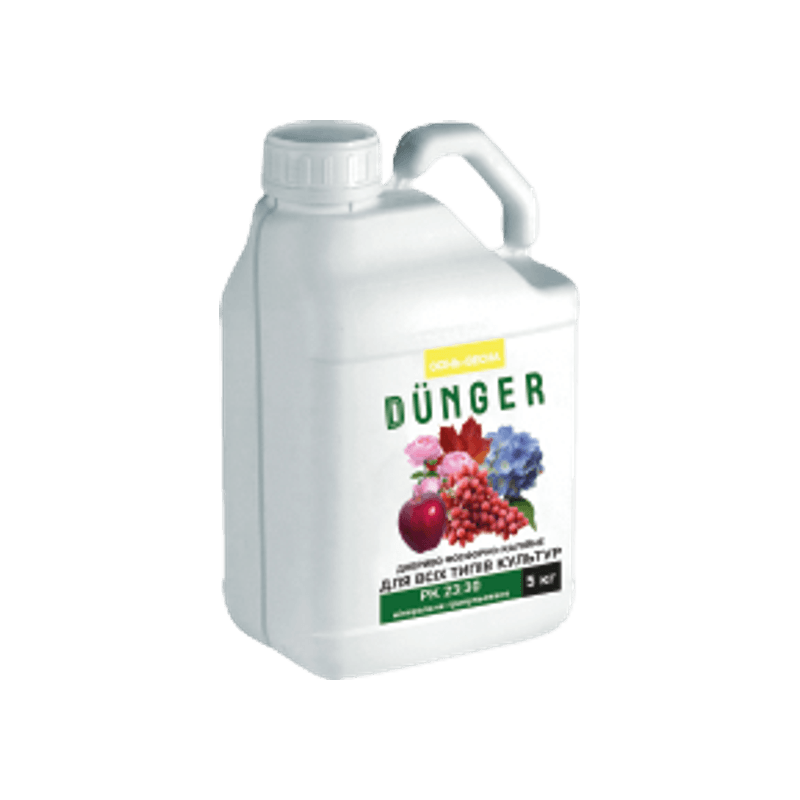
Phosphorus-potassium fertilizer for all types of crops, granules
If testing confirms a need for both nutrients in a ratio that fits this product, consider DÜNGER phosphorus-potassium granules. For berry or ornamental shrubs, the instructions give a separate spring option in the root zone on moist soil.
The pack size is 5 kg. Check the exact rate and unit for your group and task. Count only the shrubs that need both nutrients. Choose separately for areas that need just potassium or just phosphorus.
Questions about using bone meal
Check whether the bed needs phosphorus first. If it already has enough, skip bone meal at planting. If the test identifies a need, check that the chosen product fits the soil and follow the exact method on its own label.
In alkaline ground, phosphorus from bone meal often becomes available slowly and in small amounts. Start with the soil pH, phosphorus test and crop need. If phosphorus is low, ask which source fits that soil reaction.
Compare the ingredients with the separate recommendation for each nutrient. Consider a combined product when the plants need both and the instructions match their group and stage. Use the rate for the exact product you choose.


