


Eggshells are made mostly of calcium carbonate. You can crush them and add them to home compost. In soil, they react gradually, with the pace depending on particle size and conditions in the bed. To change soil acidity or work out why a tomato is going dark at the blossom end, start with the soil and watering.
What happens to eggshells in soil
Calcium carbonate is the mineral part of an eggshell. Finding calcium in a shell tells you little about how soon roots can take it up. Large pieces expose less surface area than the same weight of finely ground shell. Large flakes can still be present in compost after the plant material has broken down. Crushing shells improves contact with the soil, while acidity, moisture and the properties of the material still affect how it reacts.
When carbonate reacts with acid soil, it can make that soil less acidic and raise pH. If you are growing plants that need acidic soil, have the soil checked before using carbonate materials. If the bed does need lime, avoid substituting the same weight of household shells for the material specified in the recommendation. Their neutralising capacity and particle size can differ.
Eggshells do not tell you how to feed the bed for the whole season. Adding a calcium material tells you little about nitrogen, phosphorus or potassium needs. The guide to assessing garden soil explains how to identify beds that need separate samples. Keep a record of earlier applications of compost, ash, fertiliser or liming materials.
How to add eggshells to compost
Crush the shells and remove any scraps that are unsuitable for your home pile. Mix the pieces into the active compost and cover kitchen scraps with dry plant material. Air and moisture matter as well. A small amount of shell does not take the place of leaves, other plant residues or attention to the pile. A single hard fragment is a poor way to judge whether the rest of the compost is ready.
When sifting mature compost, pick out any large pieces that remain. You can return them to the active pile. If you will use the finished material around different plants, consider the crop and the history of each bed. For an acid-loving plant or a container, use a pH test to guide any change to the growing medium.
What if you have already scattered shells?
Mark where they went, particularly if you left them in small piles or put them only into certain planting holes. Note if you used wood ash or any other material that can affect acidity in the same spot. If you plan to test, avoid combining that soil with a neighbouring bed that has been treated differently. Seeing pieces on the surface tells you little about the pH below. Measure it first and compare it with the crop's requirements. Check the guide to wood ash in garden beds if you also applied ash.
Why eggshells will not fix a dark patch on a tomato
A dark sunken patch at the end of the fruit opposite the stalk can be blossom-end rot. The disorder involves a shortage of calcium in the developing fruit. Even if the soil contains enough calcium, too little can reach the fruit. Uneven watering, drying soil, root damage or hot weather can affect the supply of water and calcium. The patch alone cannot tell you how much calcium is in the soil.
Check the position of the patch and look for similar marks on other fruit. Look at the soil under the mulch on several sides of the plant. If the surface is wet, check whether water actually reached the roots. If the soil stays very wet, check where the extra water is coming from. Aim for even moisture around the roots and limit disturbance of the soil near established plants. Watch developing fruit for new symptoms. An old patch will still be visible after you correct the watering.
In a light Ukrainian garden bed on a hot, windy day, the surface and root zone can dry quickly. In heavy soil or near the point where water runs off a roof, the ground can stay wet below the surface. Compare two beds after the same weather to see what happened at root depth. They may need different watering. If the symptoms are unusual or extend to leaves and stems, identify the cause before changing the feeding plan for the whole row.
What to write down when checking tomatoes
Mark the plants with affected fruit and record how you water them. Compare the soil at the same depth beside an affected plant and one with sound fruit. After the next watering, check whether the water reached both root zones. With a hose, look for dry patches at the ends of the bed. If you use drip irrigation, check the outlets near plants that have the marks.
How to decide whether the bed needs lime
Start with a sample from a bed with reasonably uniform conditions. Keep the vegetable bed, the area where you added shells and a flower bed separate if their conditions differ. Ask for the pH and whether the lab can advise on lime for the intended crop. Two soils with the same pH may respond differently to the same amount of a material. The properties of both the soil and the material affect the result.
If the results support lowering acidity, check the recommended product and method for your bed. If the test shows no need, leave the bed as it is. The guide to liming acidic garden soil explains what to check when choosing a material and planning a repeat test. Avoid mixing eggshells and ash to make an unmeasured blend for the whole plot. Check their properties separately.
How to plan a follow-up check
Write down the date of sampling, the bed name and the intended crop. If you used a liming material on advice, record what it was and when you applied it. Ask when to resample and how to prepare the sample so the results can be compared. Use the new reading to assess the change. White flecks disappearing from the surface tell you little about the current pH. Keep samples separate if one bed received shells and another received a different material.
Apply the same reasoning when considering a phosphorus source. Check available phosphorus and acidity and read the guide to using bone meal in the garden. Bone meal and eggshells serve different purposes.
A test may show that the pH suits the crop while other nutrients need attention. Compare the composition of a fertiliser with the advice for healthy, established vegetables. Note how many plants need feeding and choose the method that suits their growth stage. Keep routine nutrition decisions separate from the investigation into damaged fruit.
Choosing a feed for vegetables
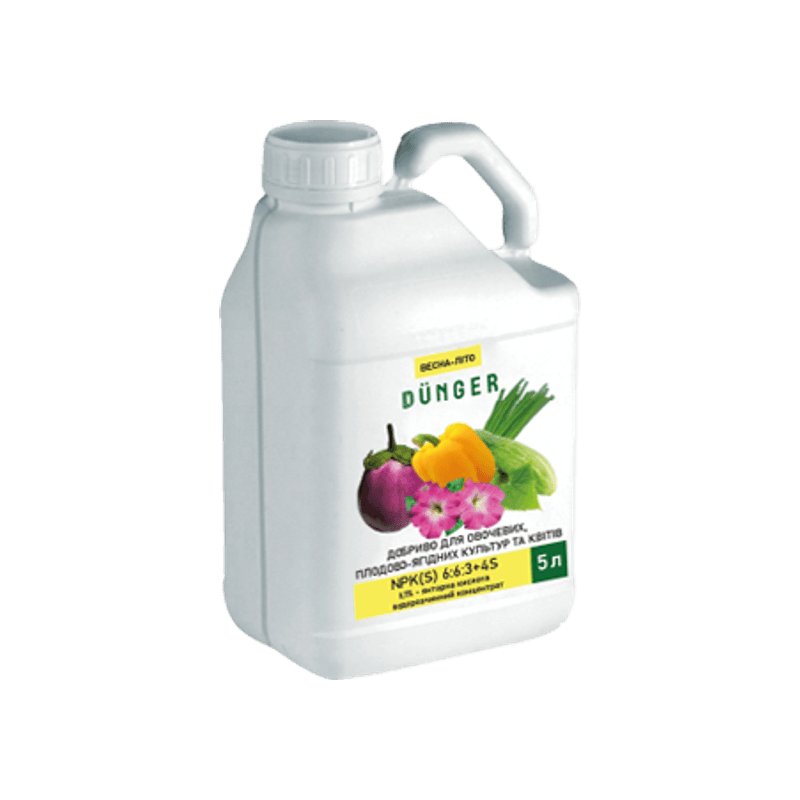
Complex fertilizer for vegetables, fruit and berry crops, and flowers
For healthy, established vegetables with a verified need, compare this formula with the recommendation. The directions include root feeding for vegetables. Decide on liming and watering separately.
Available in a 5 L pack. Count only the plants that need feeding. Check the full composition, directions and price on the product page.
Frequently asked questions
They are a poor choice for quick calcium. If you suspect a nutrient problem, check the soil and watering. You can crush the pieces and add them to the compost.
Without testing, you cannot tell what is in it, how concentrated it is or whether it suits your bed. For regular watering, focus on steady moisture around the roots. Decide on feeding based on what the plants and soil need.
Large mineral fragments can remain long after plant material breaks down. Sift the compost and return the coarse pieces to the active pile if you want to remove them before use.


