


Carrots, beetroot, cabbage, peas and cucumbers are possible crops for a bed after healthy onions. Choose by the history of the bed, the condition of the soil and the time when it becomes free. Move onions, garlic, leeks and shallots to another suitable spot. If you found rotting bulbs, identify the cause first. The next planting has to take account of any likely pathogen as well as drainage, irrigation and previous crops.
Start with the type of onion you grew
Green onions and mature bulb onions leave the ground at different times. After selective picking for leaves, some plants may still be in place. Once you lift all the bulb onions, you can assess the whole bed, but small bulbs or missed planting stock may remain. Record what you removed, which strip is still in use and when the rest will be available. Plan around the area that is actually empty.
If the bed still holds overwintered onions, check maturity and intended use before lifting them for a second sowing. The guide to harvesting overwintered onions will help with that decision. Green onions, bulbs for immediate use and onions intended for storage need different plans. If the ground becomes free later, change the next planting to fit the time available.
What to plant next spring
Carrots or beetroot where the soil suits
Carrots and beetroot belong to different families from onions. Consider them where the ground is suitable for direct sowing and root development. Check clods, a compacted layer and places that hold water after irrigation. Clear persistent weeds before sowing tiny seeds, then assess whether you can keep the new seedlings weeded. Each successor needs its own seedbed preparation.
Look back beyond the onions. If carrots or beetroot grew there earlier and had a problem, establish the cause before bringing that crop back. Two crops from different families give you only part of the history. For a bed at the other end of the garden that held carrots, use the guide to choosing crops after carrots. It can help you allocate both beds together.
Cabbage or peas under suitable conditions
Give cabbage a sunny place with enough room for mature plants and access for watering. It can be an option after onions if the earlier history raises no concern for brassicas. Include radish, mustard and other cabbage-family crops used between main plantings when reviewing the record. A new crop name can still mean the same family.
Consider peas for the cooler part of the season once the ground is workable. Mark the support and its future height so it does not shade neighbouring plants. A legume crop still needs conditions that suit it. Assess its nutrition separately instead of assuming it will replace every nutrient used by the onions. If you want another planting after peas, leave time for the actual harvest and preparation of the space.
Cucumbers for warmer weather
A bed with sufficient warmth, moisture and space for runners or a support could hold cucumbers. Wait for conditions suitable for the crop before sowing or setting out plants. An exposed raised bed in a Ukrainian garden can use water differently from the lower part of the plot. Check the supply before deciding how many plants to grow. An extensive onion bed can be divided if you only need part of it for cucumbers.
When a second crop can follow onions
If you have already removed healthy early onions, compare the warm time remaining with the requirements of the intended cultivar. Lettuce or radish can suit particular parts of the season. Check that the selected seed suits the heat and day length you expect. Read its sowing advice before buying. For another cabbage planting, you also need suitable prepared transplants at the right time.
If the ground becomes free late in autumn, plan the following spring. Leave surface preparation until later if the soil is frozen or saturated. For another overwintered onion crop, find a different suitable plot and check the guide to autumn onion planting. The spring onion planting guide explains the spring option. Check bed history whichever timing you choose.
What if the onion bulbs rotted?
Inspect several bulbs from different parts of the bed. Note whether the damage started at the neck, the base or an injury. Fluffy white fungal growth at the base together with small black bodies can suggest allium white rot. A single photo may be insufficient to distinguish causes. Ask for a diagnosis if it recurs or affects a substantial part of the crop.
With confirmed allium white rot, resting structures can persist in soil for a long time. A season of another crop does not establish that onions or garlic can safely return. Mark the affected strip and avoid taking soil or suspect bulbs into a clean zone. Clean soil from tools before moving between areas. Choose the next crop and any return of alliums in accordance with the identified problem.
Write down if the onions deteriorated only during storage. Some infections show up after harvest. Injuries while lifting and poor drying can also matter. Different rots have different causes. Keep photos, cultivar details and the place and date of harvest to help investigate the problem.
An example for early and late beds
Suppose you cleared one strip after harvesting healthy early onions. Bulbs are still maturing on a second strip. Check lettuce cultivar suitability and irrigation for the first, and mark the second as occupied until harvest. If the heat would be unsuitable for lettuce, save it for a later window. Next year you could allocate one strip to cabbage and one to carrots if the soil and earlier history fit each crop.
If you find unexplained rot in the second bed, revise that plan. Mark the affected places and establish the cause first. Record the crop chosen for the clean area separately. Keep soil from the suspect bed out of it. In a small garden, a clear access path can make cleanup and later care easier without moving residues through other beds.
Plan nutrition for the next vegetable
The lifted onions tell you little about nutrients remaining in the soil. Compare earlier inputs with the next crop's needs. Assess beds separately if they received different fertilizers or if one had substantial compost additions. Keep measurements and test results together when choosing a composition and pack size. Feeding cannot correct an unidentified cause of rot.
Nutrition for the next vegetable crop
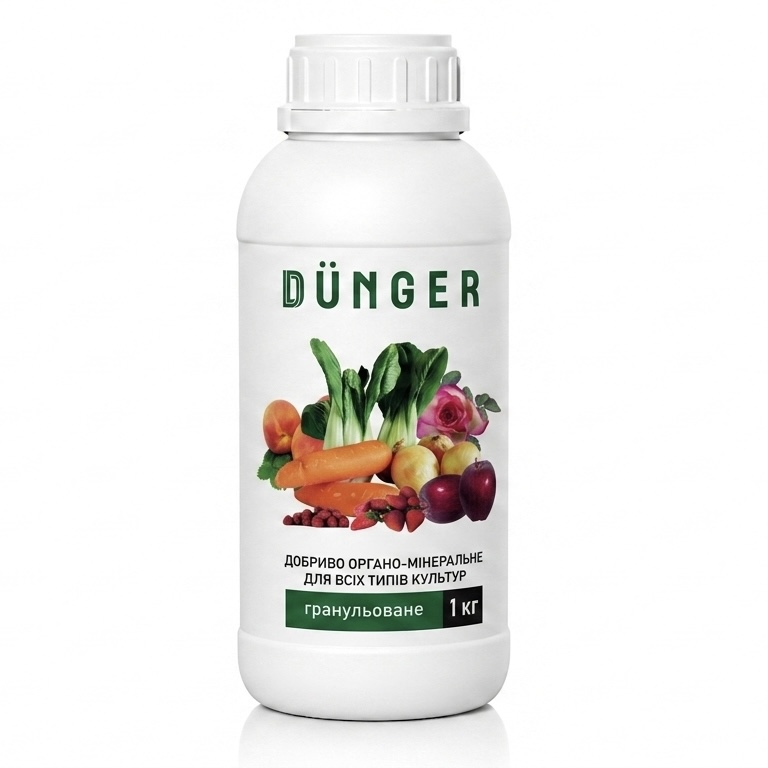
Organo-mineral fertilizer for all types of crops granular
Consider DÜNGER organo-mineral granules for the next vegetable crop if the test and earlier applications support a need for this composition. The directions include main application during spring soil preparation. Check the method and rate for the intended crop.
Packs are 1 and 5 kg. Measure only the area you intend to treat. Keep calculations separate for beds with a different history of applications. Check the complete directions and current price on the product page.
Frequently asked questions
Give garlic another bed. It is closely related to onions and can share problems with them. If the bulbs rotted, identify the cause and take that into account when planning.
With confirmed white rot, a single crop change gives no assurance that the ground is clear. Mark the affected area and choose further steps according to the diagnosis.
Compare the remaining season with the selected cultivar. If suitable conditions have passed, plan next spring's planting. An empty space can wait until the intended crop has appropriate conditions.


