


Beets can grow beside carrots when each crop has enough light, room for roots and access for care. In a home bed, separate rows or small strips are practical. Begin with the spacing required by the selected varieties, then compare sowing and harvest plans. The arrangement alone provides no reason to expect a larger harvest or protection from pests.
Compare the needs of both crops
Carrots and table beets need a prepared bed with suitable drainage and steady moisture. Compaction can affect root shape and growth. Stones and large clods are especially awkward for a young carrot taproot. Before sowing, level the surface, remove obstacles and assess the layer where roots will develop. A shallow loose surface over a compacted layer can leave both crops with limited growing space.
Keep the shared bed accessible for watering, thinning and harvesting. If a tall fence or dense crop stands on one side, check how much light each strip receives. With little space, reduce the number of rows. Crowding creates competition and makes selective harvesting harder. Account for mature beet size and carrot root length using the descriptions of the varieties you have.
- Separate strips. These let you care for and lift each crop independently.
- Parallel rows. Allow for foliage, mature roots and the tool you will use between them.
- A very narrow bed. Growing one crop here and a short row of the other elsewhere may be simpler.
- Picking some roots young. Plan for this, while leaving enough room for the plants you intend to keep until maturity.
Mark rows before sowing
Draw the bed edges, paths and each crop's strip. Measure out space for mature plants according to the seed varieties. Leave access to the middle without stepping between the roots. If using drip line, consider whether its wetted strip reaches both rows. When using a watering can, you need gentle flow and a clear view of where water goes.
Mark both ends of each row. Carrots may emerge slowly, especially in cool soil. Labels help you avoid accidentally cultivating a strip where seedlings have yet to show. Read the guide to spring carrot sowing when choosing starting conditions. Choose the beet window using its own needs and the guide to sowing table beets outdoors. A shared bed can be sown in separate stages when conditions call for it.
Emergence and thinning need separate attention
After sowing, maintain a surface suitable for tiny seedlings. Strong water flow can wash seed out, while a crust after rain can hinder emergence. Keep checking until both crops are up. The first row to appear cannot tell you what is happening in the other. Choose the eventual spacing from the variety and the root size you want to harvest.
Carrots
Sow the small seeds sparingly so that later thinning is manageable. Once they emerge, check density and make space for growth. Work carefully to avoid lifting neighbours with the spare plants. Wide paths between rows cannot give mature roots enough room if plants are crowded within the row itself. Look in both directions when assessing spacing.
Table beets
A multigerm beet seed ball can produce several seedlings together. A packet marked monogerm is different, so check the description. Even carefully placed seed balls can leave more plants than expected. Remove extras to leave the intended space. Count the seedlings actually present, then continue thinning as required for the plants you plan to keep.
Water and weed the shared bed
Both crops need enough moisture around their roots. In hot conditions lighter soil dries faster, while heavier ground may remain wet after prolonged rain. In Ukrainian gardens, use the actual bed, weather and plant stage to make watering decisions. Check that moisture has reached below the surface, especially after a short watering. Compare a shaded edge with the sunnier side independently.
Remove young weeds before their larger roots become entangled with vegetables. Cultivate shallowly and carefully near the crops. Clearly marked rows make this easier. If beet leaves cover the neighbouring carrots heavily, reassess layout and density. Feeding cannot replace room and light. Use the guide to feeding carrots when a separate seasonal nutrient decision is needed for carrots.
If one row is still germinating while the other has established, direct water gently to the area that needs it. A bed-wide routine can overlook differences in emergence or drying. Check the row ends as well as the middle. After heavy rain, inspect for washed seed, crusting or standing water and correct the specific problem. Keep the marked area visible while waiting for slower seedlings.
Harvest one crop without disturbing the other
Harvest depends on variety, conditions and the size you want. A short strip of young beets can be cleared while carrots continue growing. In an overly tight mixture, lifting one root may disturb its neighbour. That is why space for access needs planning before sowing. When a large root needs loosening, work carefully from the side and keep tools out of the other crop's row.
- Locate the root you want and the nearest plants in the other row.
- Begin at an accessible edge without standing on the planting.
- Lift gradually, supporting soil beside neighbouring plants where necessary.
- Check that roots left in place are covered and irrigation lines have stayed in position.
- Mark the cleared part for the next use of the bed.
Record both crops in the rotation plan
Carrot belongs to the Apiaceae family and beet to Amaranthaceae. Record both crops and the strips they occupied when planning next season. A general label such as root vegetables gives limited information about predecessors. If a particular disease or pest is known, consider its host range too. Moving a row slightly within the same bed leaves some of those risks in place.
Compare the guide to crop rotation after tomatoes for the wider plan and the guide to choosing a crop after carrots for the cleared carrot strip. Keep both crops in the record even if you harvested the bed together. This helps with later sowing choices and keeps previous nutrient additions in view. Also assess irrigation access, sunlight and the ground's condition after harvest.
For a first attempt, choose a small accessible area and compare it with your own garden experience. Note whether paths were wide enough and whether thinning was convenient. These observations help you alter the next layout. A difference in harvest from one season has several possible causes, including variety, water, weather and density. Record the details before drawing conclusions about the arrangement itself.
Feeding vegetable rows according to need
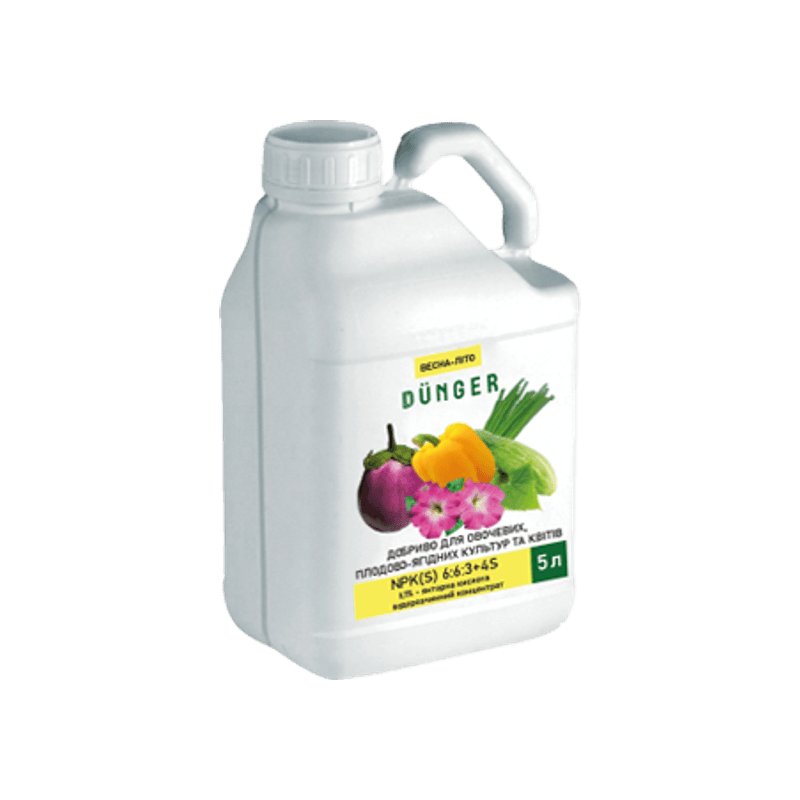
Complex fertilizer for vegetables, fruit and berry crops, and flowers
For growing carrots and beets, consider the DÜNGER vegetable, fruit and berry crop and flower compound when a soil and previous-feeding assessment shows a need. The vegetable group covers both crops. Match plant stage to the full instructions and the appropriate root or foliar method.
For small seedlings, follow the separate stage guidance. Keep the concentrate out of the seed furrow. The canister holds 5 L. Check the required volume, original photograph and price before ordering. Adjust density and watering separately.
Questions about beets beside carrots
Separate rows or strips are often easier to manage. They allow thinning and harvest with less disturbance to nearby roots.
Assess each seed lot by its own conditions and timing. Carrots can take longer. Keep the rows labelled and continue care for a strip that is still waiting to emerge.
Check intended use, growth stage and the need of each planting. A vegetable-group product can be suitable when its directions match. Determine the method and amount from the specific instructions.


