


Pepper seedlings in cell trays need even moisture, enough light and room for their roots. Choose cells with drainage holes that let you remove an intact plug. After emergence, compare the outer and middle cells, which may dry at different rates. When roots hold the plug together but outdoor planting is still some way off, consider moving the plant into a larger pot. Its age alone cannot tell you whether every seedling is ready.
Choose a tray for the growing space you have
Match cell volume to the time peppers are likely to spend under cover. Many small cells save shelf space at first, but each plant has a limited volume of mix around its roots. If cold weather could delay outdoor planting, prepare individual pots and additional lit space. A larger container also needs checking for moisture, especially while the young root system is still exploring only part of the mix.
Check tray strength before filling. A wet flexible tray can bend when lifted, so use a firm support beneath it. The drainage holes must stay open when it is set down. A solid base tray catches drainage water, which should be emptied before you put everything back on the shelf. If one side sits lower, that end can remain wet for longer. A level support makes it easier to compare the plants.
- Keep cultivars labelled. Arrange separate groups so you can look after them independently. Uneven emergence is harder to manage under one shared lid.
- Fill cells evenly. Dampen the mix before sowing and avoid packing it tightly. Follow the seed supplier's guidance on sowing depth.
- Leave inspection access. Make it easy to reach the middle as well as the outer cells. Trays pushed against a wall hide problems at the back.
- Allow space after potting on. Leaves soon shade one another if the larger pots are again pushed tightly together.
Change the conditions after emergence
A cover helps hold moisture during germination, but emerging seedlings need light and air movement. If emergence is staggered, separate the group that is already up where the tray design allows. Avoid leaving growing plants in a closed damp space while waiting for the final seed. If you use bottom heat, monitor the mix directly. A warm surface can dry small cells faster.
Light needs to reach the whole tray. When stems lean in one direction, check its strength and position. Follow the lamp's instructions for distance and safe use around water. Near a window, pay attention to cells beside glass that becomes cold at night. The same place may heat up considerably in daytime. Check conditions at tray level instead of relying on how warm the room feels.
Water according to the individual cells
Before watering, inspect several cells from different positions. Compare the colour of the mix, moisture just below the surface and tray weight. A dry top tells you little about the bottom of a plug. Look especially closely at cells next to a radiator, a shelf edge or warm airflow. If some dry ahead of the rest, water those cells separately and check that moisture has reached the plug.
- Set the tray on level support and check that the holes are open.
- Apply water gently so that it does not wash away mix around a small plant.
- Allow moisture to spread through the cells. If watering from below, check both outer and middle plugs.
- Drain the remaining water from the base tray before returning plants to their place.
- Decide the next watering by checking again. Potting on and changes in weather can alter drying time.
If the middle remains wet while the edges dry, inspect the slope of the tray, blocked holes and differences in how firmly cells were filled. Separate groups with different needs when the design permits. The guide to watering tomato seedlings offers a comparison with another seedling crop. Continue to check the peppers' own cells when deciding their needs.
Know when to move peppers into larger pots
Inspect a typical healthy plant when its mix is moist and holds together gently. Support the plug from below and ease it out using the cell's opening if the design permits. Avoid pulling the stem. If the plug falls apart, return it carefully without shaking off more mix. Repeatedly lifting every plant just to inspect it creates opportunities for root damage.
Consider both root development and the time until outdoor planting. Roots visible around the plug, leaves beginning to shade neighbours and rapid drying in a small cell are reasons to prepare the next container. Try to act before the roots form a dense mass and the restricted plug wilts repeatedly. Choose a pot that gives the existing plug reasonable growing room. A very small seedling surrounded by a large amount of wet mix is harder to manage. Keep the stem at its previous level.
Check the old plug after potting on
The original plug and fresh surrounding mix may absorb water differently. At the next inspection, check near the old plug as well as the loose mix at the pot edge. Before feeding a yellowing plant, look for excess water, cold conditions and inadequate light. A limp seedling in wet mix needs an assessment of its roots and growing conditions. Leaf colour alone is too little information for choosing a new fertilizer application.
Keep the cultivar label with the plant and space pots so the leaves have room. After expanding the arrangement, check that outer rows still receive enough light. If you are raising another warm-season crop at the same time, consider when to sow cucumber seedlings separately. Its speed of growth may call for a different sowing or transplanting plan.
Prepare for outdoor conditions in Ukraine
Choose the planting window from the actual state of the bed, the forecast and the protection available. An open bed and a covered structure have different conditions. If a pepper has outgrown its cell while outdoors remains cold, move it into a suitable pot and continue growing it with enough light. Harden seedlings gradually, introducing wind and sunlight from a sheltered position. Water the plug before transplanting so that it remains intact when removed.
If your aim is to fill a particular bed, plan around the strong seedlings you actually have. Leave separate space for slower plants. When choosing nutrition, compare guidance on homemade feeds for pepper seedlings and read the selected product's directions. Check whether the starting mix already contains fertilizer. Keep a simple note of any feed applied so the next decision includes the whole growing programme.
Feeding pepper seedlings when needed
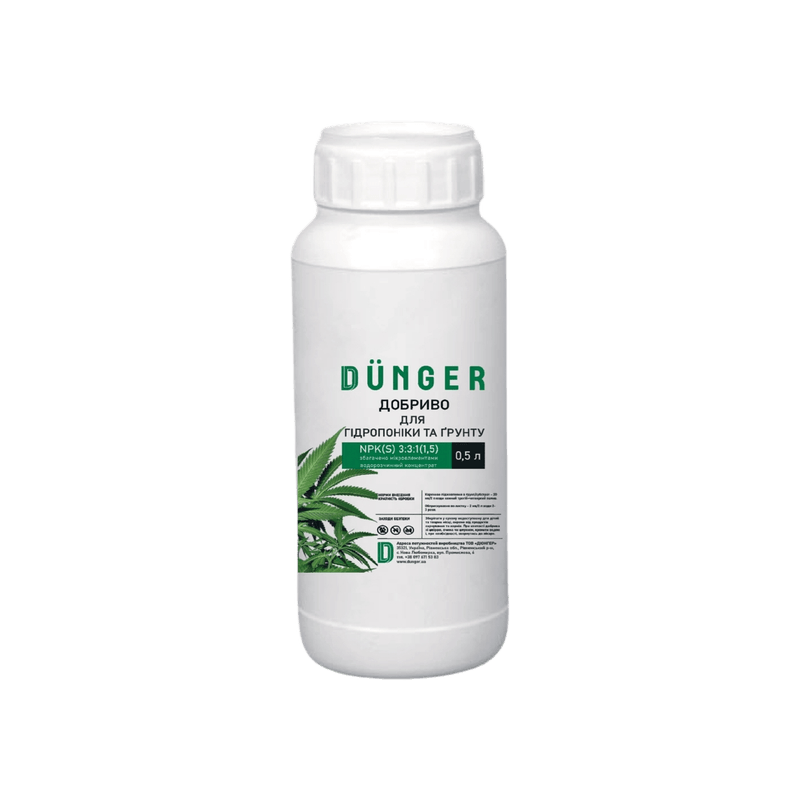
COMPLEX FERTILIZER FOR HYDROPONICS AND SOIL
If peppers are actively growing and a check of the mix and previous fertilizer shows a nutrient need, consider the DÜNGER liquid compound for hydroponics and soil. Its instruction group includes all types of seedlings. For plants in potting mix, use the separate root application directions and assess the actual plants and watering pattern.
Before ordering the 0.5 L bottle, compare the amount required with the solution quantity in the directions. Check the original photograph and price. A limp plant in a wet cell needs its roots and growing conditions assessed first.
Questions about peppers in cell trays
Check warm airflow, nearby heat and light exposure. Compare moisture with the middle cells, level the tray and water drier cells separately when needed.
A plant growing in its own cell can be moved with its root plug intact. Assess the roots, cell volume and time to outdoor planting. Removing loose-rooted seedlings creates more opportunities for damage.
Provide sufficient light and a larger pot if needed. Introduce outdoor conditions gradually and wait for a suitable planting window. A large seedling still needs a bed with appropriate conditions.


