


Peas, lettuce, onions, beetroot and summer squash are possible crops for a bed after carrots. The choice depends on what else has grown there, when the bed becomes free and whether the next crop will get the light and water it needs. Move carrots, parsnips, parsley and celery to another bed, especially if you found tunnels in the harvested roots. Start by mapping the plot, then decide what and when to plant.
Look at plant families when choosing a successor
Carrots belong to the carrot family, along with parsnips, parsley, celery and dill. Moving from carrot roots to parsley leaves still puts related plants in the same place. Beetroot belongs to a different family even though you harvest its root as well. A seed packet that says root vegetable tells you what you will harvest. Check the family separately when you draw up a rotation.
Family is one useful clue, alongside the history of the bed. If you want to follow carrots with onions and that bed held onions or garlic before the carrots, check earlier records. If part of the crop rotted in a wet patch, investigate the damage and look at drainage first. A crop from a different family will still have to grow in the same soil. Where you can remember them, write down the last several crops.
On a small plot, draw individual strips. If carrots grew in the middle and you had dill along the edge, record both. Move the carrot family to another available spot next season. A neighbouring strip can separate the work for two crops, but a few steps between them cannot guarantee protection from a flying pest.
What can follow carrots?
When you want an early crop
Consider peas or leaf lettuce for a spring bed once it is ready to work. Leave room for a pea support and put it where it will not shade smaller plants in the next strip. For lettuce, check your water supply and expected harvest time. If you hope to use the same strip twice, mark when it will actually be empty. A crop going in as transplants needs that space when it is ready, regardless of when you first picked leaves.
Onions also belong to a different family. Check for earlier problems with onions or garlic before buying sets. Match the timing and purpose of the planting stock to your plan. If you choose onions for spring planting, record the choice and wait for suitable conditions. An empty bed after late carrots can stay empty until you are ready to plant.
When the bed is for warmer weather
Summer squash or cucumber can follow carrots where there is sufficient sun, room and water. Allow the ground to warm and account for the risk of late frost. For sprawling squash, measure the strip the mature plant can occupy as well as its planting spot. For cucumbers, work out where the support will stand or where runners can go without blocking the path. In a narrow bed, choose a crop you can reach without repeatedly stepping on the growing soil.
Beetroot is another possible successor. Check the soil, the sowing window for your seed and the earlier bed history. If beetroot or chard grew there recently and you are considering beetroot again, look at that part of the rotation on its own. One season of carrots does not erase older records.
Take account of damage in the carrot harvest
Set aside a few typical damaged roots for inspection. Narrow rusty tunnels beneath the surface can point to carrot fly larvae. Splits or forked roots without tunnels do not establish the cause. Look closely, take a photo and mark where the damage repeated. Carrot fly can overwinter as pupae in soil. If the harvest suggests a problem, plan to keep susceptible carrot-family crops away from the affected bed next season.
Avoid moving suspect roots or soil from the affected strip into a clean bed. If the cause is unclear, identify it before growing another susceptible crop. If damage clusters where water lingers after rain, check the source of the water and whether the soil is compacted. Peas or lettuce will not solve the drainage problem. The guide to assessing garden soil will help you inspect different parts of the plot separately.
A plan for two small beds
Suppose you have harvested carrots from one bed and beans from the other. The first gets good sun and has room for cucumbers. You could move carrots to the second bed if the soil is suitable and its history raises no specific concern. If you also want early lettuce in the first bed, keep it to part of the area and check whether you can clear it before the cucumbers need that space. Leave enough room to plant without having to cut the lettuce before you can use it or hold cucumber seedlings when conditions are already suitable.
An exposed bed and a low area that pools water after rain may be ready at different times in the same Ukrainian village. A raised bed can lose moisture faster, while a strip beside a solid fence may stay shaded. Write down the conditions that would make each strip ready to work. The guide to growing carrots will help with the new carrot bed. If the next strip has a different history, check the rotation guide for beds after tomatoes separately.
When some carrots are still in the ground
Mark the strip you will harvest later. Keep a path free so you can lift the roots without stepping through a new planting. For an early crop next spring, work out where the carrots will go and when you can prepare the surface. If you have cleared the bed late in autumn and the ground is wet or beginning to freeze, use that time to plan. Come back to work the ground when conditions suit.
Write down two possibilities for the same bed. If the surface dries in time for an early crop, use part of it for peas. If prolonged rain keeps you out, keep the space for a crop that goes in later. You can choose which seed to buy once you know what you already have and which plan is likely to fit.
Before sowing, compare your records with the condition of the soil. Measure the area that the new crop will actually occupy. If you are buying fertilizer, work out what that crop needs, account for previous compost and other inputs, and compare them with the soil test. The bed next to it may need a different decision.
If you also want roots in a neighbouring strip, read the guide to growing beetroot beside carrots. Assess the neighbouring crops for this season separately from the sequence on one bed.
Nutrition for the next vegetable crop
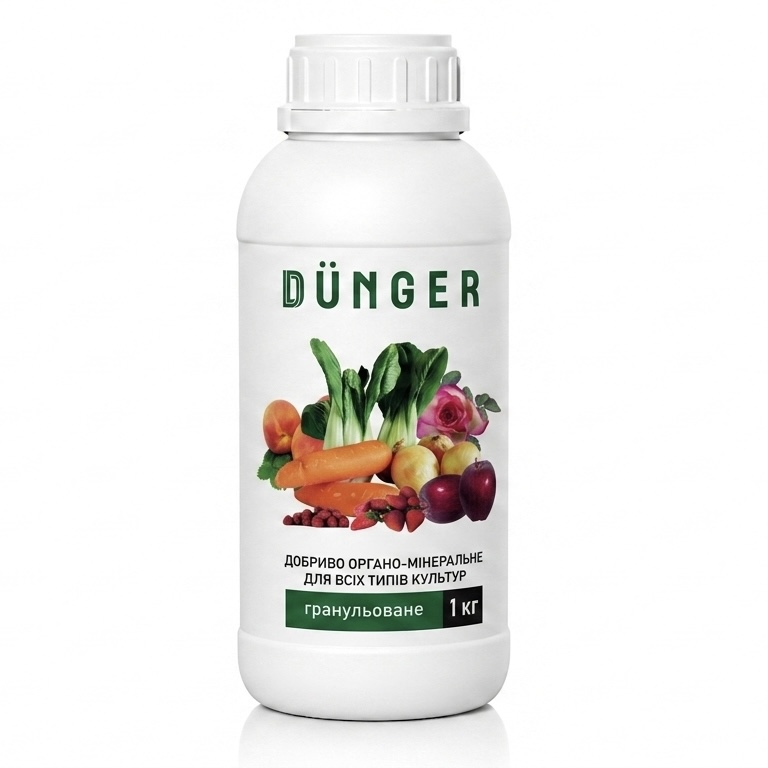
Organo-mineral fertilizer for all types of crops granular
If the next vegetable crop has a confirmed nutrient need that fits the composition, consider DÜNGER organo-mineral granules. The directions include main spring application during soil preparation. Check the crop group, method and rate before buying.
Packs are 1 and 5 kg. Measure only the area you intend to treat. Keep calculations separate for beds with a different history of applications. Check the complete directions and current price on the product page.
Frequently asked questions
Give parsley another spot. It belongs to the same family as carrots even if you intend to pick leaves. Changing family is particularly useful when the carrot harvest showed signs of carrot fly damage.
Start with a family that has not grown on the bed recently. For early planting, consider peas or lettuce once the ground is workable. For a later start, cucumbers or summer squash need warmth and space. Check the cultivar and growing conditions.
Choose the next crop and assess the soil first. If there is a confirmed need and the composition fits, calculate the area and follow the product instructions for the method and timing. An empty bed alone does not need a feeding.


