


After tomatoes, you can grow onions, carrots, table beet, beans, peas or cabbage if the bed suits them and the crop history makes sense. Potatoes, sweet and hot peppers, and eggplants belong to the nightshade family along with tomatoes. They do not give the bed a break from that family. The next choice depends on whether you want a quick crop after the last picking or are planning next year’s main crop.
Rotate by plant family
Replacing tomatoes with peppers or eggplants looks like a change of crop, but they are close relatives. Related crops can share pests and pathogens. Rotation reduces the frequency with which their host plants return to the same bed. It cannot guarantee that a disease will stay away. Leave several seasons between members of the same family where possible. When a particular problem has been diagnosed, choose the length of the break and the next crop for that problem.
Sketch your beds and note every crop you grow, including plants tucked in between the main rows. If you planted tomatoes and peppers side by side, mark the bed as having held nightshades. If you followed them with a crop of radishes, add the cabbage family too. Recording a short crop makes it easier to avoid putting a relative in the same spot the following spring.
What to sow after the last tomatoes this season
Take down the supports and work out how much growing time remains before persistent cold. If the bed is free early and the weather still supports growth, consider spinach or a quick table radish. Check days to maturity on the packet, moisture for germination and the forecast for your area. If the tomatoes keep fruiting until cold weather, the next crop may not have enough time. Clear the bed for spring and use a suitable clean surface cover if you will not plant again.
In an exposed part of Ukraine’s steppe, the soil may stay dry even after temperatures ease, so an open sowing could need irrigation. On a heavy bed in Polissia after persistent rain, wait until the soil is workable. Compare the shaded end beside a fence with the open end of the same row. Choose according to the temperature, light and moisture at the bed.
If you plan to grow cabbage next and have had problems with cabbage relatives in that bed, do not choose a radish or mustard crop just because it grows quickly. Check each crop’s family first. Where there is time for a short crop, see how to sow radishes outdoors or when to sow spinach outdoors. Where the soil and crop plan suit it, consider planting winter garlic in the appropriate local window.
Two examples for the next few seasons
A bed for early vegetables and root crops
After tomatoes, one possibility is to grow onions next year, then table beet, then beans, provided the site and bed history suit them. Move plant families around the other beds as well, so onions do not go back to the same soil simply because it is easy to water. When choosing early and late cultivars, make sure the next crop does not need the bed before the first one is finished. Beet and spinach belong to the same crop family for rotation purposes.
A bed with space for spreading crops
Another sequence after tomatoes is peas, then summer squash, then cabbage. Adapt it to the light, path width and access to water. On a narrow strip, replace the squash with a suitable crop from a different family that will not block the path. Peas and beans can work with bacteria that fix nitrogen. How much is left for the next crop depends on growth, harvest and what you leave in the bed. Avoid using a guessed nitrogen credit in place of a test.
On two small beds, a full rotation is sometimes impossible. Move crops as far as the site allows and keep a record of repeated families. If you have the space, supports and water, you can grow some tomatoes in suitable containers with fresh potting mix next season. Moving a few steps does little for pathogens carried on wind or tools.
Plan around the differences between beds
Mark permanent supports and spots beyond the reach of the hose. Consider whether a suitable climbing bean could use the supports after tomatoes. Clean away crop debris and check that the trellis is sound. If you are planning onions and one part of the bed stays wet, choose the drained section and deal with the low spot separately.
A short fall crop does not count as a full season without nightshades. If radishes follow summer tomatoes and then tomatoes return the following spring, the break is still short. Record the years, months and areas each family occupied. If you moved one row, mark where it went so you can see whether the old and new plantings overlap. If late tomatoes still need the bed when your next crop is due to start, sow the early crop in a suitable space elsewhere in the garden.
What to do if the tomatoes had a disease
Note what you saw on leaves, stems and fruit and how quickly the symptoms spread. Remove diseased remains and clear soil and debris off supports and tools. Do not leave old potatoes or volunteer nightshades to grow between crops. Late blight of tomato and potato can arrive from elsewhere, so rotation works alongside regular inspection and good crop care.
If the cause of wilting is unclear, avoid choosing a treatment for the whole bed. Pathogens have different hosts, and wilting can also come from watering problems, root damage or other conditions. Inspect the soil and roots where the plants weakened, and seek a diagnosis if it happens again. For a separate sample, see how to check garden soil before fertilizing. Fertilizer cannot take the place of cleaning the bed or choosing a suitable family.
Before you return tomatoes to the garden, mark the supports, the inspection route and a way to water at the base. See when to transplant tomatoes outdoors as a separate decision. Keep a record of the next crop. If weak plants still occur in the same low spot after a rotation, check drainage and compaction before changing fertilizers.
Feeding after you choose the next crop
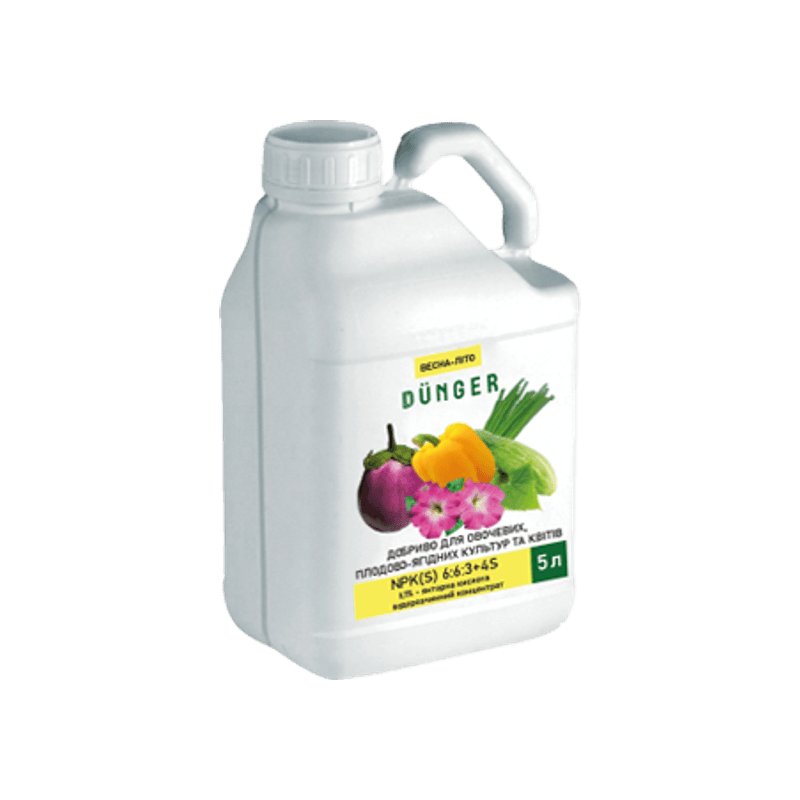
Complex fertilizer for vegetables, fruit and berry crops, and flowers
Once you have chosen a vegetable crop, consider the DÜNGER liquid complex if soil testing or plant growth indicates a need for nutrients. The directions distinguish seedlings and established plants, with separate root and foliar rows. Match the crop stage and method to the plants you are growing. Feeding does not sanitize an empty bed after a disease.
The 5 L pack contains concentrate. Check how many plants need feeding and read the complete instructions for the method before buying. The relevant root-feeding row distinguishes the amount of concentrate for mixing and the amount of prepared solution to use per plant.
Frequently asked questions
Choose a different family where possible. Potatoes and tomatoes are both nightshades and can share problems. If a disease has been identified, use its host list to decide what can follow.
Only sow if there is time for growth and enough light and moisture. If the cold is close or the soil is waterlogged, clear the bed and prepare it for the next season.
Check earlier applications and the needs of the next crop. Soil that already has enough nutrients may not need an addition. If growth is poor, begin by checking moisture, roots and test results.


