


Planning a new hydrangea planting in spring means matching the plant that will arrive, the readiness of the site and the weather expected after delivery. Two shrubs of the same cultivar can require different decisions if one overwintered outdoors with closed buds and the other already has soft leaves from protected growing. A spring month printed on a label cannot settle those details for you.
This plan helps organise a nursery order and choose a suitable window for new stock. Once the plant and site are ready, follow the steps for moving a potted hydrangea into garden soil for the planting itself. Moving an established shrub from another part of the garden has different requirements. Here the task is a new purchase without digging up an old root system.
Choose a plant for the actual site
Start with species identity rather than flower colour alone. Panicle, smooth and bigleaf hydrangeas differ in growth, exposure and the position of flower buds. Obtain the exact name and the expected mature dimensions. A small container does not establish that its occupant will remain a small shrub beside steps or a path. The permanent space needs to fit the plant you are buying.
A panicle hydrangea may suit a sunnier position with adequate moisture. Bigleaf and some other types particularly need protection from hot, dry exposure. Assess light shade and protection from drying together. Do not turn general shade tolerance into a promise of abundant flowers in a dark corner, or use species identity alone to decide how much water is needed.
If the description says reblooming, establish which cultivar it means. Do not assume that every bigleaf hydrangea responds identically to spring damage. You need the name and information about suitability for your own conditions. Keep pruning as a separate decision: buying in spring is not a reason to cut all the stems back immediately.
Many bigleaf and mountain hydrangeas depend on flower buds on previous-year wood; damage there can alter flowering expectations even if the plant remains alive. Panicle and smooth hydrangeas flower on current-season growth. Ask the nursery whether the plant has already been pruned and how it was kept afterwards. For a reblooming cultivar, confirm that specific identity. These details explain starting condition better than comparing pot heights, without guaranteeing the first season's flowers.
Growth stage matters more than the size of the pot
Stock overwintered outdoors
Ask whether the plant was genuinely kept outside or under protection. Closed buds help describe its stage but do not prove that every branch is healthy. Inspect shoots, the root ball, damage and agreement with the order. Even for this stock, ready ground and the forecast remain part of the decision. Outdoor history does not make a frozen or waterlogged site ready for roots.
Stock with expanded leaves
Leaves on an early nursery plant do not demonstrate that the garden is already warm. Ask whether it was brought on under protection and exposed gradually to outdoor light and wind. Tender new growth can be affected by late cold. Agree on a transition with the nursery and preserve an option to protect or delay, rather than planting immediately under any forecast.
A flowering gift pot is not automatically equivalent to outdoor nursery stock with known suitability. If that is what you have bought, establish its origin and cultivar first. Flower size and price do not explain how it will overwinter or when it will flower again. This distinction is particularly useful for an order placed from a photograph without further information about the plant.
Prepare the site before agreeing delivery
Check the actual planting ground in spring rather than the dry path beside it. A low area can hold snowmelt while the surface near a building looks ready. Frozen soil beneath the surface and wet, smeary ground are not a prepared root zone. Digging a hole simply because a parcel is due does not solve either problem. Set a delivery date after checking the place.
Work out where water enters and leaves the site. Hydrangeas need consistent moisture without prolonged saturation of the roots. If the proposed position receives roof runoff or sits in a hollow, improve conditions or choose another position first. Use the hydrangea soil guide to separate drainage and soil acidity from the flower colour shown in an advertisement.
Do not buy colour-changing additives just because the label shows blue flowers. Colour response depends on species, cultivar, acidity and aluminium availability, and is not shared by every hydrangea. A general recipe will not turn a panicle hydrangea or an unresponsive white cultivar blue. Establish what you are buying and what soil you have before considering any change.
Three spring readiness situations
These are hypothetical planning situations, not results from a trial of particular plants.
The ground is ready and the plant was kept outdoors
Compare its actual state with the forecast and the aftercare available. If there is no obstacle, arrange delivery close to the work. Have water and the site prepared. Inspect the plant again on arrival: agreement based on a photograph does not remove the need to check for damage during transport. Confirm the label before separating it from its pot or packaging.
The ground is ready but soft growth is not used to the garden
The immediate decision concerns plant preparation. Agree on gradual exposure and a safe place to keep it during that transition. Do not put it straight into a sunny, windswept position. Reassess if a cold night approaches; temporary protection is not a guarantee that every leaf will survive regardless of weather. A nursery's actual growing history is more helpful than an identical waiting period for all plants.
The plant is prepared but the ground remains unsuitable
There is no need to accelerate bud opening or put fertilizer into a wet hole. Resolve delivery or appropriate holding with the supplier. If the site problem is persistent, choose a different planting area. A brief wait for workable conditions and a permanent drainage defect are different situations. Postponement helps the first but does not by itself correct the second.
Check the delivery as a group of individual plants
- Match labels and numbers to the order and preserve cultivar identity.
- Inspect stems and leaves for fresh breaks or unexplained changes.
- Check moisture and root-ball stability without pulling the shrub by its branches.
- Photograph discrepancies and contact the seller before undertaking major intervention.
- Recheck ground and weather if delivery has been delayed.
Several hydrangeas do not have to be planted on one day regardless of condition. A plant at another growth stage or with a damaged ball deserves a separate decision. Matching cultivar labels do not establish identical readiness for every specimen. Keep these differences clear when you later observe the planting, so the problem of one arrival is not attributed to the entire cultivar.
Prepare for the first growing season
Keep access around the base for inspection and arrange watering during absences. Show a helper where to check the root ball. “Water all the flower beds” does not explain that a new shrub needs individual attention. Use the guide to seasonal garden hydrangea care when planning later seasonal tasks rather than carrying out every possible action on planting day. The label and an initial record of plant condition help you discuss any subsequent problem accurately.
Nutrition after checking the new planting need
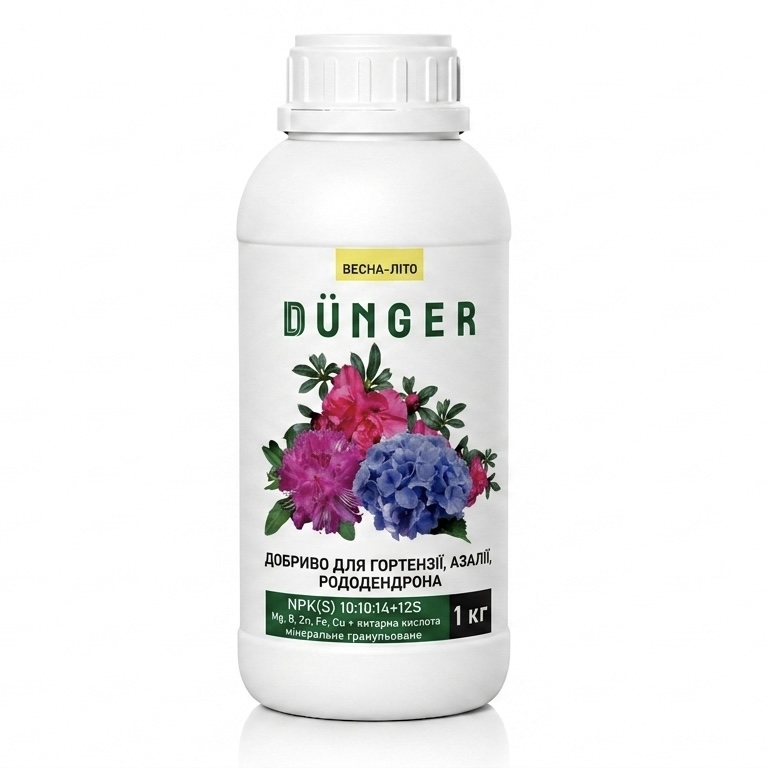
Complex fertilizer for hydrangea, rhododendron, azalea granular
If soil, plant condition and previous inputs identify a need, consider the hydrangea complex. Its full instructions cover spring and summer use at planting and for feeding. Check the applicable stage, shrub size and age and soil moisture before deciding.
The product page lists 0.5 kg, 1 kg and 5 kg packs. Account for nutrients already in the potting medium and prepared bed. Pot size does not determine the fertilizer rate. Compare the requirement with your pack using the complete instructions.
Frequently asked questions
Not necessarily. Compare health, origin and readiness for your conditions rather than counting leaves. Early growth from a protected environment can need different preparation from outdoor overwintered stock.
The planting season alone cannot guarantee them. Species, cultivar, bud condition, weather and care matter. The first decision concerns a suitable site and a healthy plant, rather than a promise about every flower head.
Assess the growth stage, ground and safe holding options. Discuss the decision with the supplier instead of planting automatically because it has arrived. Pay particular attention to tender expanded leaves.


