


Choose groundcover roses by their mature spread, growth habit and the space you want them to fill. Prepare the whole bed, remove perennial weeds and leave a way to reach the plants before setting out the pots. Then use the spacing recommended for the particular cultivar. The name groundcover does not give every rose the same height, flowering pattern or pruning requirements.
Decide what the planting needs to do
Beside a path, the main requirement is keeping spreading stems out of the walking space. Across a wide border, the challenge is reaching the centre for maintenance. Above a retaining wall, arching stems can be attractive, but their eventual position matters. Start with these everyday uses of the garden before comparing flower colours. A rose that suits a broad bank may create repeated work beside a narrow entrance.
The group includes small spreading shrubs and plants with much longer, flexible stems. Some repeat flower; others have one main display. A photograph of a pink carpet cannot show the whole growing season. Before buying, note the cultivar name, expected height and width, flowering habit and pruning advice. Keep this information with your planting plan so that a future trim does not depend on remembering what the seller said.
Draw the bed at its mature size
Measure the bed and mark paths, inspection covers, drains, posts and neighbouring shrubs. Draw the approximate outline of each mature rose instead of the tiny pot you are buying. If the nursery gives a planting density, check the intended use. A recommendation for a broad mass may be unsuitable for an isolated plant beside a doorway. Distance between plant centres is also different from the clear gap between their outer stems.
Do not aim to hide every patch of soil on planting day. Crowding makes later inspection and pruning awkward, especially when thorny stems overlap. Open gaps can be weeded and mulched while the plants develop. This gives the chosen layout time to fill naturally. Buying extra plants simply to make the first photograph look full can leave you deciding which established roses to remove later.
Make maintenance possible
Work out where you will stand to water, collect fallen leaves and remove damaged stems. A broad bed may need access from several sides or a few deliberate stepping places away from the crowns. Next to a lawn, allow space to move the mower without catching the roses. Beside a path, consider the width needed by someone carrying shopping or pushing a wheelbarrow, rather than judging clearance from the present size of the pots.
Prepare more than the planting holes
Remove perennial weeds before the roses spread over them. Their roots are harder to reach once thorny growth covers the bed. Look at the site after rain and investigate water that remains on the surface. Fertilizer cannot repair a drainage problem. A careful soil assessment before feeding is useful on an unfamiliar plot, particularly where one end stays wet while another dries quickly.
Check the light during the day and consider shade from fences and mature trees. A place that is open in early spring may change after nearby trees produce leaves. If roses previously struggled there, keep a record of the symptoms and investigate the cause before replanting. Poor drainage, shade and disease should not all be treated as proof that the soil needs more nutrients. Describe what you observed, including which plants were affected.
Lay out the pots before digging
Set the containers on the prepared bed and view them from the path. Check corners, narrow sections and the plants nearest hard surfaces. Keep cultivar labels attached while arranging different roses: similar young plants may eventually grow in different directions. If the number of pots does not fit the plan, adjust the order or layout before digging. Squeezing the last few plants into one row makes future maintenance uneven.
Handle container-grown and bare-root plants according to their condition. Keep exposed roots from drying out and provide enough room to arrange them without crushing them into a narrow hole. Check planting and graft-position advice for the plant supplied and your local conditions. After planting, copy the cultivar names onto the plan even if labels remain in place. Labels can disappear, while the growth habit still matters years later.
Water and mulch the young planting
Check newly planted roses individually even when they share one row. Moist soil around a plant does not always describe the moisture inside its original pot-shaped rootball. Examine both, especially after hot or windy weather. Apply water to the root zone rather than only wetting the outer edge of the border. Mark unusually dry or wet places on the plan so that the next inspection addresses the same location.
Mulch helps you manage the open gaps, but weeds still need attention. Keep the base of the stems visible instead of burying it beneath a wet mound. Include compost and organic mulches in the history of materials added to the bed. If one part receives regular organic additions and another does not, do not assume every rose needs an identical extra feed merely because all the flowers share a colour.
Prune to retain the cultivar's shape
Start with dead, broken and clearly damaged growth. Then decide whether stems have outgrown their allotted space or the centre has become difficult to inspect. Many groundcover roses need only light pruning. Avoid automatically using the severe cut you used on another rose group. Where the attraction is long spreading stems, decide which direction they should occupy before shortening them.
Flowering habit matters when choosing further cuts. Find out how the cultivar flowers and when its healthy side growth should be shortened. Across Ukraine, spring growth does not start on one fixed date, so relate the work to the plant and local weather. If winter damage is uncertain, do not remove every doubtful stem based only on its outer colour. Observe the plant and establish what remains alive before making irreversible decisions.
Choose feeding for the actual bushes
A continuous carpet is still made of individual bushes. When a fertilizer rate is stated per bush, do not turn it into a rate for the entire square metre area. Record plant numbers, age, approximate size, previous applications and soil condition. The guide to choosing fertilizer for roses explains how to compare products. Feeding should answer a plant need, rather than compensate for an overly wide gap in the original design.
Feed for a groundcover rose planting
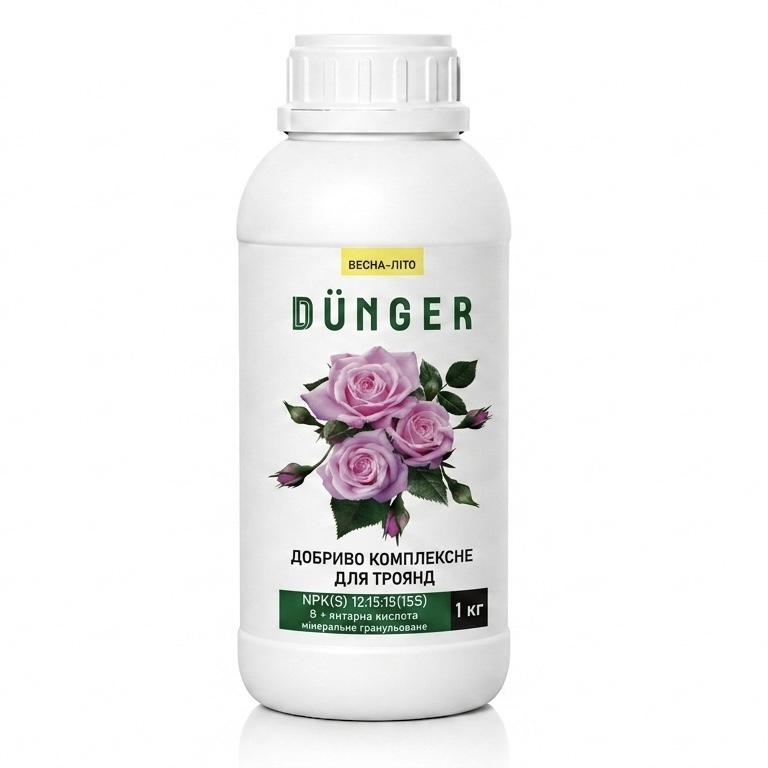
Complex fertilizer for roses granular
Roses: 20-40 g under the bush. This is the instruction row for roses. Bush size and age matter when selecting the amount. The 0.5 and 1 kg packs let you compare the intended application with a purchase for your own planting.
The complex is used before planting, as well as for fertilization. The fertilizer is evenly distributed on the soil surface in the root zone, or in the hole during planting. Take into account the size and age of the bush when using the tool.
Add your roses to My Garden to prepare plant numbers and the purchase. Choose the pack on the product page and check its current price and availability before ordering.
Questions about groundcover roses
Plan the planting as a flower bed, with a path or service access that avoids the stems. If you regularly need to reach a tap, move a hose or clean a window, leave room before planting. Groundcover describes the spreading habit; it is not a promise that the plants tolerate foot traffic.
Do not expect weeding to disappear. Inspect open patches and the edge of the planting, removing weeds while they are manageable. Clearing perennial weeds before planting is especially useful because reaching their roots through a broad thorny shrub is much less convenient than working on an empty bed.
No. Check the particular cultivar rather than assuming that every member of the group repeats. A single main display and repeat flowering create different expectations and pruning decisions. Combine seasonal appearance with mature dimensions when planning the composition. Find related bed-planning advice in Flowers and ornamentals.


