


Feeding fodder beet begins with finding out what the crop is short of in a particular field. Soil, the previous crop, organic inputs and the way you harvest can change the answer even on the same farm. Gather soil test results and inspect the root zone before choosing fertilizer. Where growth is slow, check moisture, compaction, weeds and leaf damage first. The size of the tops alone does not show how much nitrogen or potassium to add.
Sample different parts of the field separately
Identify areas that are genuinely different. An upper slope can dry faster while a low patch stays wet. If manure was used on half the field, keep it separate from the untreated half when sampling. Within a uniform area, collect material from several points at a consistent depth according to the laboratory’s directions. Label a weak strip separately from a healthy area. That lets you check whether the contrast in growth corresponds to a difference in the soil.
Take the laboratory method into account when comparing results. A soil pH measured in a salt extract can differ from one measured in water. Interpret available phosphorus and potassium using the methods listed on the report. See the guide to assessing soil before applying fertilizer for ways to divide and sample growing areas. Specify fodder beet on your request so the recommendation is for that field crop.
For example, you may have a spring result for the entire field but find a weak strip along an old wheel track in summer. Check where the first samples came from. One result may say little about the track itself. Mark its edges and inspect the soil there and on a nearby level area. Ask the lab what samples or further tests would help distinguish a physical restriction from a nutrient problem. If different zones were tested before, compare their boundaries with what you now see.
Check soil acidity, moisture and roots together
Fodder beet is sensitive to acidic soil. If the report shows that acidity needs attention, discuss what correction is suitable and how long it needs before sowing. Lime bought late is unlikely to be a quick answer for an already weak crop. Where pH is within range, see whether roots are getting through a compacted layer. Inspect several plants on the edge of the weak patch. Weed competition and standing water can restrict growth even when nutrients are present.
On loam in the Ukrainian Forest-Steppe, a crust after heavy rain may help explain differences between neighbouring rows. On lighter soil in the north or exposed ground in the Steppe after drying winds, check moisture beneath the dry surface. Avoid applying one strip’s findings to the whole field. Where a dip is saturated and higher soil crumbles, slow growth may have different causes. Keep machinery off ground until it is workable.
Which nutrients to assess separately
Nitrogen and previous applications
Account for nutrient sources you already have. Look at the previous crop, manure and other organic materials, and any earlier mineral applications. The whole amount of nitrogen in organic material will not be available immediately. If you have a test for that material, send it with the field records. A poor crop may be held back by water or root problems, so compare areas before increasing nitrogen. For the differences between sources and forms, see the guide to nitrogen fertilizers.
Phosphorus and potassium
Use a soil test to assess phosphorus and potassium, alongside the field history. Record what remains in the field after harvest. If roots are lifted and used elsewhere, some potassium leaves the field with them. That matters when planning the next crop. Removal alone does not establish how much fertilizer to use, since the soil reserves, previous applications and their availability also matter. Consider these factors together for the field you are managing.
Micronutrients
Symptoms on contrasting soils can have different causes. Boron availability is affected by moisture among other factors, and manganese availability changes with soil pH. If you suspect a deficiency, agree on a suitable test and sampling method with an agronomist or lab. Mark where symptoms started and whether they affect new leaves. Use a micronutrient treatment only when there is a reason to do so. The crop name alone does not establish the requirement.
Compare the fertilizer grades you can obtain
Match the nutrient requirement to the exact grade. Kilograms of fertilizer and kilograms of nutrient refer to different quantities. Before calculating, check how phosphorus and potassium are expressed in the report and on the product label. A grade supplying both may add unnecessary phosphorus to a field that already has enough. An agronomist can help check the composition against the individual needs.
If you intend to place a product near the drill, check the directions and any placement limits. A broad crop row does not give a safe distance from seed. Before applying a product, check the spreader setup for the granules and the planned machinery route. Note where passes could overlap, particularly at the headlands and field margins. That helps you keep distribution even.
When to reassess the crop
After emergence, check whether the stand is even, where the gaps occur and whether the ground drains. Return to the marked patches during active leaf growth. Take photographs at the same scale, check moisture and revisit the application records. If the pattern follows a wheel track or the edge of a dip, check that cause separately. Consider changing the feeding plan when the test and the inspection point to a need.
After harvest, record which roots were removed, whether tops stayed and how the zones differed. Follow the same sampling procedure the next time you test. If you also grow beet for the table, see the separate guide to sowing table beet outdoors. Fodder beet field planning and a small vegetable bed use different measurements.
Before the next sowing, use the records to separate cultivation problems from fertilizer requirements. If a wet strip under the same fertilizer plan gave poor growth, start with drainage and compaction. Where conditions are otherwise comparable but nutrient test results and plant growth differ, discuss a plan for that specific zone. This can help you order a suitable composition and quantity instead of simply repeating the previous purchase.
On a farm with several fields, keep a separate sampling map for each. Even if two reports give similar potassium results, compare them after confirming the laboratory method. Consolidate the purchase once you have worked out what each field needs. Mark any unplanted margins separately if their area needs to be excluded when you calculate the crop requirement.
Choosing a bulk granular fertilizer for fodder beet
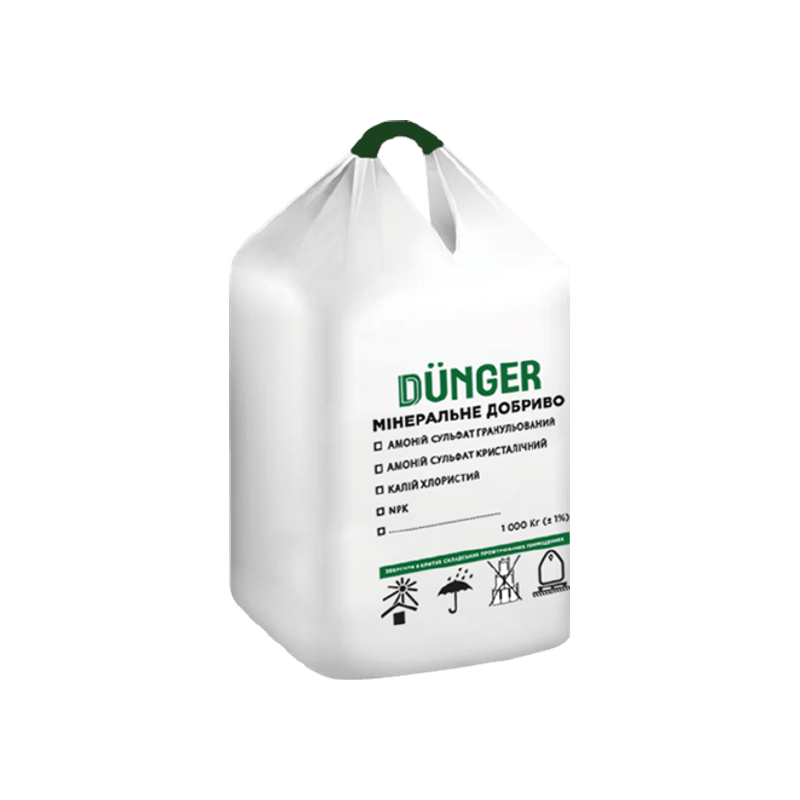
Mineral complex fertilixers NPKS
If your soil tests and field plan indicate a need for compound fertilizer, consider the DÜNGER mineral complex line. The application table for NPKS(CaO+MgO) lists a general beet group. The group does not distinguish fodder beet, so name the crop when you ask about the grade and match its directions to the field results and the intended application.
Have the area of each zone, soil results and recent applications at hand when asking about a bulk order. Confirm the exact grade, current instructions, units used for the composition, packaging offered and dispatch arrangements. When comparing quotes, check the composition required and the total quantity the field needs. Ask whether the order can be calculated separately for zones with different nutrient reserves.
Frequently asked questions
Compare the affected and healthy parts of the field first. Check moisture, compaction, roots and which leaves changed first. Take separate samples if needed. Use those findings to decide whether poor nutrition explains the change.
Include the removed roots in the balance. The decision also depends on the soil reserves and previous inputs. Ask the lab to interpret the result using its method, and evaluate zones with different nutrient levels separately.
Record the area, crop name, nutrients required according to the test, previous applications and preferred packaging. Confirm the grade, current directions and units before comparing quotes.


