


Sow table beetroot directly in the garden once the soil at sowing depth has thawed, begun to warm and crumbles in your hand. If it smears when you squeeze it or water stays in the row long after rain, wait. Look ahead at the forecast as well. A sustained cold spell that catches young plants can increase the risk that they will flower early. Use the conditions in your own garden to choose a day. A sunny raised bed beside the house and a wet hollow a few metres away can be ready on different dates.
How to choose a day for spring sowing
Check the soil at seed depth
Check the same spot at seed depth on consecutive mornings, before the sun warms it. If you use a soil thermometer, keep the time and depth consistent to see whether the bed is warming steadily. The layer just below the surface should be moderately moist. If the soil falls into dry dust, gently water the bed before sowing and give the water time to soak in.
On a heavy soil, see whether the middle of the bed dries as quickly as the edges after rain. The sunny edge might crumble already while the soil in the middle still sticks to the trowel. On a light raised bed, check that the row has held some moisture. It can be ready for work sooner and can dry out just as quickly once you sow. Use these simple soil checks to compare different garden zones before preparing several beds together.
Compare the condition of the bed with the forecast
Table beet grows well in cool weather, but a very early sowing can emerge slowly or unevenly. Sustained cold after the young plants emerge can prompt them to flower in their first season. The plant then puts resources into a flower stalk and root quality can suffer. A warm day in the middle of a cold spell tells you little about what will happen in the row. Wait for a steadier spell or sow a short trial row and save the rest of the seed for later.
Where heavy rain tends to seal the soil surface, sowing after the storm can make the row easier to prepare. Wait until the top layer crumbles again. If the spring has been dry and no rain is expected, set up watering before you sow. A useful sowing window combines workable soil, a suitable forecast, access to water and time to return to the bed as the seedlings appear.
How to sow beetroot outdoors
- Break up large clods. Prepare a loose, level strip free of stones and coarse debris. It is easier to make even drills and spot where water pools on a smooth surface.
- Make a drill to the depth on the packet. Check the depth in more than one place. An uneven bottom can leave some seed deeper than the rest, so emergence may be staggered.
- Lay the seed, cover it and water gently. A watering can with a fine rose helps you avoid washing out the row. If water uncovers a seed, gently restore the covering soil.
- Label the row. Mark both ends and note the variety and sowing date. If emergence is patchy, that record will help you compare the rows.
If other root vegetables will grow alongside your beetroot, set out a separate row for each crop. Spring carrot sowing also calls for a loose surface and even moisture. Follow each crop's own packet for drill depth, spacing and time to maturity.
What to do before and after emergence
Watch moisture and surface crust
Check moisture just to the side of the drill so you avoid lifting the seed. The surface can look dry and pale while there is still moisture below. Water with a fine spray when the layer at seed depth starts to dry. If heavy rain has formed a hard crust, gently moisten it first. You can loosen the top of the soil between rows. Avoid hoeing deeply over the sown line because the seed and the emerging roots are easy to disturb before they are visible.
If seedlings appear in only part of a bed, look separately at the bare patches. A wet dip, a dry edge and a crust over a drill call for different responses. Check whether the row dried, became waterlogged or held seed too far below the surface. Give it time if the weather stayed cool after sowing. Resow once you have addressed an obvious cause so the next seed has a better chance to emerge.
Thin clusters and give each plant room
In many varieties, what looks like one seed is actually a cluster. Several seedlings can come up together. Once you can distinguish them, leave a strong, undamaged one. Snip the others with clean scissors at soil level if pulling them would disturb the roots of the seedling you are keeping. Also look at the distance to the next cluster. This is what gives the individual roots room to reach the size you want.
Check the packet for the final distance between plants. A row of small, tender beets and a row of full-sized roots can have different targets. Even with single-germ seed, look for crowded patches if you sowed some of the row more thickly. Remove small weeds while they come away easily, before they become difficult to lift next to the beet roots. End markers help you find the crop line before the leaves are visible.
When to sow a separate row for storage
Start with the harvest window. An early row can give you tender roots for the kitchen, while a separate sowing can supply your storage crop. Find the variety's stated time to maturity and work back from when you can usually lift beetroot in your garden. Check how the supplier counts that period. Leave some extra time in case emergence is uneven or growth is slower in cool weather. Plan to lift storage roots before hard frosts while you can still loosen the soil without damaging the roots.
A later row may dry faster in warmer weather. Check it often and water as the soil dries. Label each variety and record emergence dates to guide next year's sowing.
When to assess the need for feeding
Before sowing, concentrate on tilth, moisture and even soil cover. After emergence, address crowding, weeds and water issues first. Pale leaves after a downpour or root disturbance do not on their own show that the bed needs fertilizer. Check several plants in different parts of the bed. If the issue persists, compare the soil condition and what you previously applied. Plan any feeding of established plants separately, when there is a reason to feed and the method fits the instructions.
Feeding established vegetable plants
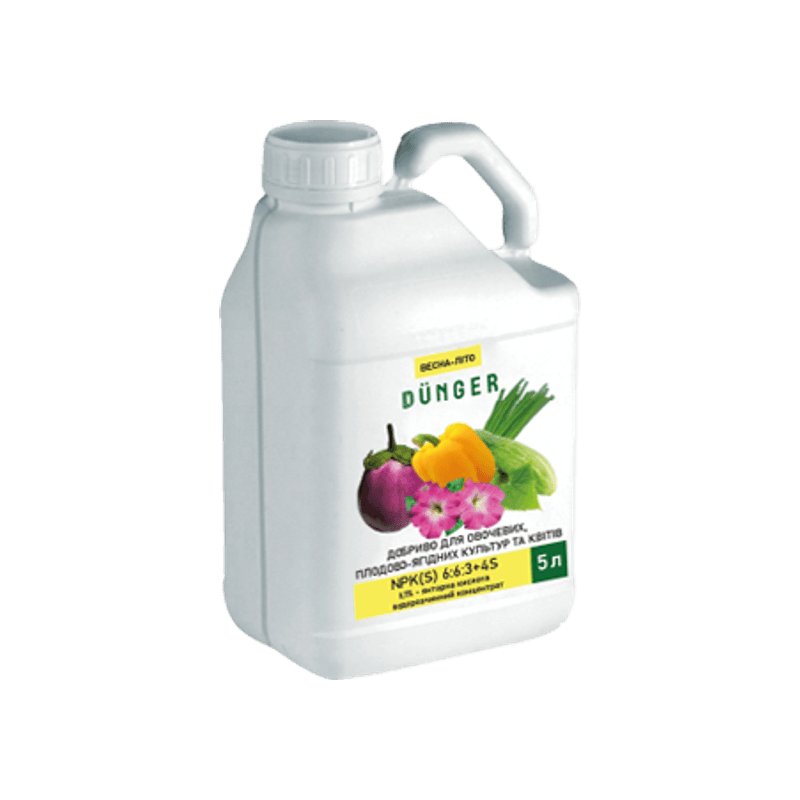
Complex fertilizer for vegetables, fruit and berry crops, and flowers
If an established vegetable bed needs feeding, compare the formulation with the crop's needs and read the complete instructions. The row below covers established plants. It does not apply to seed, sowing drills or automatic feeding after thinning.
The product page lists a 5 L pack. Before ordering, count the established plants that need feeding. The instructions give solution use per plant, so the total area of the bed alone is insufficient for this method.
Frequently asked questions
Wait to sow your main crop if several cold days may coincide with emergence or the bed is still cold and wet. For an early harvest, try a short trial row and reserve seed for later.
In many varieties, a beet seed cluster contains more than one embryo. Once you can tell the seedlings apart, keep one healthy plant. If the roots have become intertwined, snip the surplus seedlings gently at soil level.
Open a small section from the side at a marker to see where the seed sits. If nearby sections have emerged and gaps coincide with a crust, washed-out drill or standing water, correct the problem before resowing. After a cool start, some viable seedlings may simply take longer to come up.


