


Sow radishes directly in the bed when the surface can be worked and you can expect a cool period with enough moisture. In spring, the soil can be ready at different times even in neighbouring gardens. You can sow again as summer heat eases if the variety has enough time to mature before hard frost. Start with a short row and reserve some seed in case conditions change.
Choose a cool sowing window
Radishes make good roots under mild conditions. If hot weather arrives soon after sowing, plants may bolt or make small, fibrous roots. In an exposed, dry garden in southern Ukraine, have water available from the day you sow. On heavier ground after repeated rain in western or northern regions, wait until the surface stops smearing and compacting under tools. Let the condition of the bed and the forecast guide you.
For an autumn crop, work back from your likely harvest using the time on the packet. Allow a margin for slower growth as the days shorten. If radishes went to seed quickly on that bed before, make a note of the weather and when the flower stalks appeared. Sow the next batch once conditions change. For large winter radishes or daikon, check a separate sowing and spacing guide. They need more room and often take longer.
Before repeating the sowing, divide the seed and consider how much your household can use in a few days. A gap between a series of short rows spreads out the crop. If the first row has only just emerged and hot weather is now forecast, wait before starting another. For a short spell of cool weather, choose a variety that can mature in the available time and sow where watering is easiest.
Prepare a fine, even seedbed
Choose ground that holds moisture evenly without staying wet. Break up the surface crust and remove large clods or stones from the row. If a squeezed handful is sticky and remains a lump under light pressure, let the bed dry further before working. On loose ground, level the top so small seeds sit at a similar depth. If a bed has produced weak crops for several seasons, start with checking the soil before choosing fertilizer.
On a bed that has already been fed, check what was used and when. Skip fresh manure for radishes. Excess nutrients, particularly nitrogen, can encourage foliage growth, while the short crop has little time to use extra inputs. If crops on two neighbouring beds grow differently, look at compaction, light and moisture first. Correcting these conditions can be more useful than adding fertilizer.
Sow at an even depth
Mark the row, make the drill and water
- Mark the row with string or use another guide. Leave room to reach it from the path without stepping into the bed.
- Make a shallow drill. About 0.6-1.3 cm is a common starting depth for small table radishes. Follow the directions for the packet and the condition of the soil.
- Space out the seeds, cover them with fine soil and press lightly. Avoid clusters of seed that will need heavy thinning.
- Water with a gentle spray that will not wash seeds out of the drill, then label the row with the variety and date.
On dry ground, it can be easier to moisten the bed first and let the water soak in. After sowing, check whether the layer around the seed is drying. After a downpour, look for a crust or soil washed along the open drill. Once plants are up, remove weeds shallowly to avoid disturbing roots.
Thin the seedlings as soon as you can tell them apart
Use the spacing on the packet. Roughly 5 cm can be enough for small table varieties after thinning, while larger roots need more room. If seedlings are tightly clustered and their roots are intertwined, snip the surplus seedlings carefully at soil level. Other root crops have their own seed and spacing needs. For example, sowing table beet outdoors calls for different thinning because of the way beet seed forms.
Label the end of each variety when sowing more than one. At the first leaf stage it can be hard to tell them apart. Labels also make it easier to avoid disturbing the row when breaking up a crust nearby. If water has shifted soil to one side, locate the emerging seedlings first and check whether any seeds have been buried too deeply.
Care for the crop through harvest
Check moisture under the leaves before the whole bed dries. Uneven watering, including a heavy soaking after a dry period, can split roots that have already developed. Wind or sun can dry an open end of the row faster than the middle. If you sow in batches, keep their labels separate. One row may still need moisture for germination while the earliest one is ready for a test harvest.
Small round holes on the first leaves can be a sign of flea beetles. Look at young plants on a dry day and see whether damage is spreading. You can install lightweight insect mesh on a clean bed after sowing and secure the edges. Continue to check moisture and heat beneath it. Seedlings struggling under a crust or after a washout need a different response from plants with chewed leaves.
Harvest when the roots reach a useful size. Pull one or two to check if you are unsure. Heat and a late harvest can make roots tough or pithy. If the sowing did well, put in a small second batch while the cool weather lasts. The harvest will be spread out, and it will be easier to check the bed.
Compare the roots from different ends of the row after harvest. If the smallest ones are always by the fence, check shade and competition from nearby plants. If radishes split mainly where water collects, even out watering for the next batch. When almost the whole row bolts, look at the season, the cultivar and the sowing date together.
When trying a new variety, sow it apart from a familiar one while keeping conditions similar. Record when the seedlings emerge and when you first harvest. If one bolts earlier, those notes can help you give it a different sowing window next time. What happens on a hot bed may not repeat in a cool spring.
Feeding a vegetable bed after checking the soil
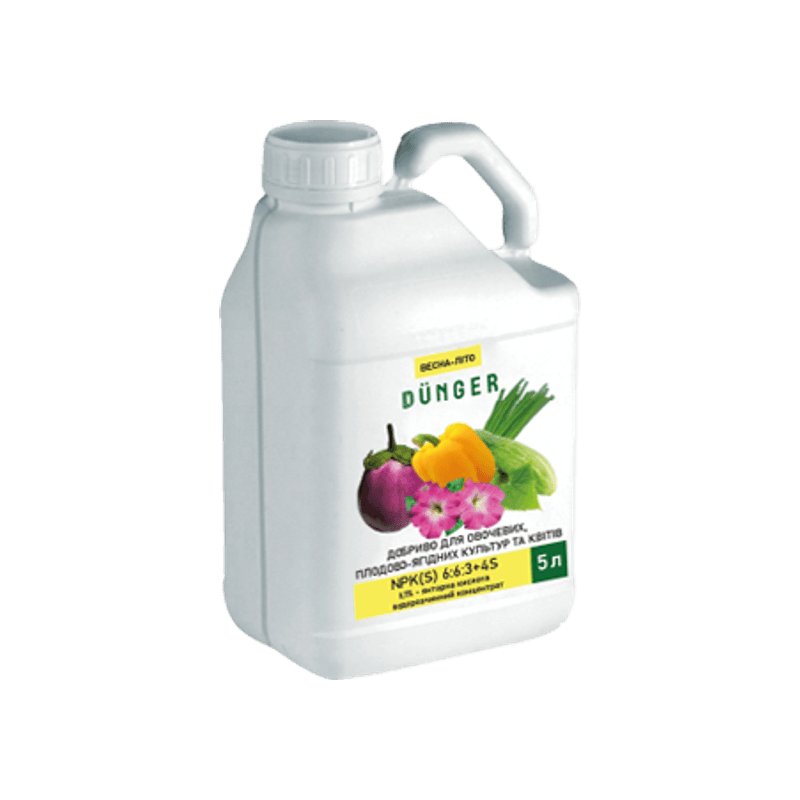
Complex fertilizer for vegetables, fruit and berry crops, and flowers
A previously fed bed with normal growth may carry a short radish crop to harvest with attention to moisture and spacing. If soil tests and crop condition confirm a nutritional need, consider the DÜNGER liquid complex for vegetables. Its instructions distinguish established plants from seedlings. Match the growth stage and the method to the crop you actually plan to feed.
The 5 L pack contains concentrate. Count the vegetables that need feeding and read the full instructions before ordering. The root-feeding row for established plants specifies solution use per plant. Keep the work of sowing separate: a newly sown row needs suitable moisture, space and monitoring as the seedlings emerge.
Frequently asked questions
Check that the top layer has thawed, you can make an even drill and a long cold spell is not forecast. For an early trial, sow a short row and keep the rest of the seed for steadier conditions. Emergence may take longer in cold, wet ground.
Check spacing, light, temperature and previous applications. Crowding, heat, shade or excess nitrogen can look similar. Adding more feed will not provide space where neighbouring plants already overlap.
Yes, if both have room and the cool period is long enough for the second one to mature. Label the dates separately. Start harvesting the earlier row and check its actual size and texture.
Locate seeds in a short part of the row and check depth and moisture. If the seed washed away, address the cause before resowing. A few seedlings may still come through after a cool spell. Use the next suitable window for the seed you kept back.


