


Plain potato peelings from sound tubers can go into a home compost pile along with other plant scraps. Fresh peelings in a potato planting hole or an infusion tipped over the roots provide no dependable fertilizer dose. Composting is a more useful way to handle this small kitchen waste stream. You can keep the pile airy while the scraps break down, give the material time to finish, and decide later which beds would benefit from it. A feeding decision for the potato crop remains a separate job.
Sort the peelings at the kitchen counter
Collect plain raw peelings as you prepare a meal. Remove any produce stickers, packaging fragments or other materials that do not belong in the compost. Cut long ribbons into smaller pieces if they tend to tangle. This helps mix them through the pile and gives decomposers more surface to work on. Keep a supply of dry leaves, shredded plain cardboard or small dry stalks near the compost bin. If these are already at hand, it is easier to cover wet kitchen scraps every time you empty the bowl.
Potato skins join the moist side of the mix along with apple peels, wilted lettuce and fresh garden trimmings. Treat the whole bowl as one wet addition. A pile made mostly of peelings can mat down and leave too little air around the wet layers. Break apart any clumps, mix the scraps with drier ingredients and cover the exposed pieces. Dry shredded material is especially useful in a small bin, where the space between the larger ingredients can disappear quickly when several bowls of scraps go in together.
Leave suspect tubers and oily leftovers out
Keep visibly diseased or suspect tubers, rotting pieces and haulms from plants with suspected late blight out of a casual home pile. A warm center does not establish that the whole pile reached sanitizing conditions. Separate whole potatoes and large trimmings with eyes from thin kitchen skins. A living tuber may sprout, and an infected tuber can produce an infected volunteer plant. If a potato turns up in a bed where you did not plant one, check for a tuber left from the previous crop or brought in with unfinished compost.
Peelings from the frying pan belong in a different stream when mixed with oil, sauce, meat or dairy. Such additions may cause odors or attract animals to an ordinary garden compost bin. Collecting the clean scraps before cooking makes sorting much simpler. If your apartment building or Ukrainian municipality collects food waste separately, ask what it accepts before adding cooked scraps. The rules of a collection service and the conditions you can maintain in a home pile are different.
Build an airy pile rather than a layer of peels
- Choose an accessible location where water will not collect after heavy rain. Leave room to turn the pile and lift out finished material without disturbing a planting bed.
- Mix the chopped peelings and other moist scraps into the pile. Add shredded cardboard, dry leaves or similar plant material and put a dry cover over the fresh waste.
- Feel the material under the top layer. It should be damp, without releasing running water when squeezed. Add a little water to a dry mix or loosen a wet mass and add dry material.
- Turn the material occasionally, moving some of the cooler outside toward the center. Spread out a large addition of scraps so they do not become a dense lump in one corner.
Check where water comes from before deciding how to fix a wet pile. A sour smell, a saturated lower layer and matted scraps suggest poor aeration or excess moisture. Loosen the clumps, add dry material and see whether water from a roof drain or path runs toward the bin. A dry pile with largely unchanged scraps may need water instead. There is little value in watering on a timer when an open summer pile and a covered bin during a wet spell behave so differently.
In Ukraine, the same composting setup can need different attention through the year. A wet site in Polissia or a yard with heavy soil benefits from checking drainage after prolonged rain. A warm exposed yard in the south may dry out at the center during hot weather. Cold slows decomposition, so scraps put in shortly before the ground freezes can still be recognizable when the weather improves. Use the condition of the material to decide whether it is ready. If you need to keep collecting scraps, set aside another place to hold the new batch while the old one finishes.
Why an infusion gives no fertilizer rate
A bucket of water and a few handfuls of peels do not establish how much plant nutrition will reach the roots. The thickness and weight of the peels vary, as do the volume of water and the length of soaking. A darker liquid does not measure its composition. It is even harder to justify giving the same amount to a houseplant in a small pot and to a crop in an outdoor row. For a feeding decision, you need to know the crop and application method and have a rate you can use consistently.
Burying raw skins under potato plants also leaves the timing and quantity of nutrient release uncertain. The scraps break down at a pace influenced by the conditions in the soil. At the same time, the crop grows in response to warmth, moisture and root conditions. In a compost bin you can combine the scraps, turn the material and wait for it to mature. The same principle applies when adding coffee grounds to a compost pile. Treat each as an ingredient rather than assigning a plant a handful of a particular scrap.
Recognize finished compost before you use it
Look for dark, crumbly material with an earthy smell and few recognizable scraps. A woody chip or fruit stone may take longer than the rest and can be screened out and returned to the active pile. If you still see a layer of wet peelings among intact leaves, or the pile heats up strongly again after mixing, let it continue to break down and cure. Take a sample from inside the pile as well as from the top. A dry surface can hide a very different mix below.
Choose where to apply the finished material after you look at each bed. A sandy patch that dries soon after watering and a bed that already received plenty of organic material last season need different decisions. Start by assessing the soil before choosing fertilizer. Compare texture, moisture and previous applications, then test the soil if you need more information. Compost composition depends on its ingredients and how it matured. Use what you know about the bed to decide where the finished batch will be useful.
Keep two short lists. For composting, you need space, enough dry material and time for the pile to finish. For a potato crop, you need the area, the history of the bed and the full directions for any product you may use. These lists can move at different speeds. Your next crop plan can be ready even when the compost from this week's kitchen scraps is still breaking down.
Before setting out a new row, review feeding potatoes at planting as a separate decision based on the bed and application method.
A separate feeding plan for a potato bed
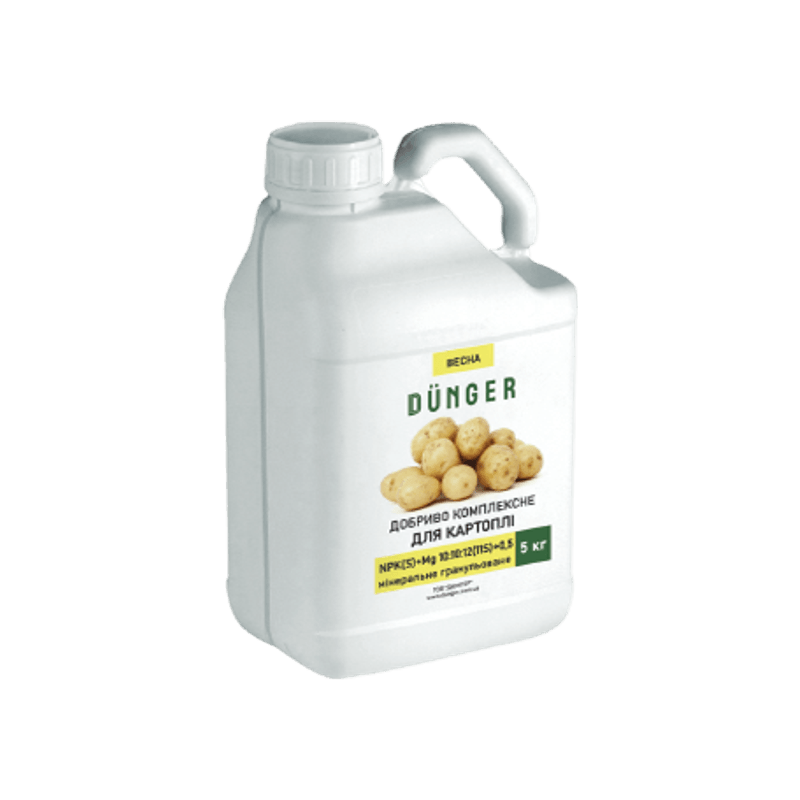
Complex fertilizer for potatoes granular
If a soil assessment indicates that the potato bed needs additional nutrition, check this granular product with directions specifically for potatoes. Compare the application method with your bed and planting plan.
Use the bed area and required amount to decide whether the 5 kg pack fits your plans. Check current price and availability on the product page before choosing the number of packs.
Questions about potato peelings and compost
Use a potato planting method you can verify and repeat across the bed. Fresh kitchen peels have no established application rate. Put the plain scraps in the compost and check the directions for the chosen potato fertilizer if the bed and crop actually need feeding.
Small amounts of both can go in, mixed with dry leaves or shredded plain cardboard. Fresh clippings and peelings are wet and can mat down together. Break up the clumps and avoid making one thick layer of grass over a pocket of scraps.
If recognizable fresh food scraps remain, leave that batch to finish. You can screen isolated woody pieces out of material that is already mature. Examine some material from the center, check the smell and texture, and keep your newest kitchen scraps separate for the moment.


