


Sow peanuts outdoors after frost risk has passed and the soil at seed depth stays warm. Check one more condition: can the cultivar reach maturity within the warm days left in your garden? A sunny bed in southern Ukraine and a cool, damp courtyard can give different answers. Peanuts flower above ground, but the pods develop below the surface. The crop needs a warm start and a loose place for pods to develop later in the season.
Use soil temperature to choose a sowing day
Warm afternoon air does not tell you whether the soil is warm where the seed will sit. Use a soil thermometer at the intended sowing depth. Take readings on several days at roughly the same time, including a cooler part of the morning. Compare the center of the bed with the colder edge if a wall or shade creates two conditions. A single measurement after a sunny afternoon does not show what the seed will experience in a cold spell.
For direct sowing in a home garden, around 18 °C or a little warmer at seed depth is a practical guide if no sharp cooling is forecast. This is a guide for a steadier start. It is different from the lowest temperature at which a seed might germinate. Check the supplier's instructions for the seed you have. Wait if the soil is cold, wet and sticky and the forecast calls for further cold nights or prolonged rain, even when the air warms up by midday.
Consider the position of your Ukrainian plot. A low spot can hold cool air and water longer than a slightly raised bed in the sun. A wall can shelter the bed, but the same building may cast a long shadow over your planned row. If you are also deciding about watermelons, see when to sow or transplant watermelons separately. The best day or method for one heat-loving crop does not decide the treatment for another.
Compare the cultivar's maturity with the local season
Find the cultivar name and estimated maturity on the label. Confirm when the count begins and what kind of maturity it describes. Dry mature peanuts need enough time for pod development, so do not judge readiness by the first pods alone. Count approximately from the time the soil is ready to the period when autumn frost becomes likely in your area. Leave time for slower development in cooler weeks. The maturity estimate is a planning guide, not a promise.
If the local season is short, compare early cultivars available as planting seed. Do not borrow a maturity period from a different cultivar, even from the same market type. If earlier seed and a warm site still leave little margin, try a few plants instead of committing the entire bed. Record when the soil actually became warm enough. That observation and the progress of the plants give you a more useful guide next year than a single date for the whole region.
Prepare the soil for the seed and the pods
Choose an open, sunny place with a loose surface layer. After rain, see how quickly water drains and whether the ground hardens as it dries. The surface needs to remain workable later as well. Heavy, sticky ground that dries into large clods can interfere with pod development. Decide what you need to address before sowing, whether that is drainage, compaction or another soil issue. You can start with the guide to assessing soil before fertilizing.
Buy planting seed from a supplier who gives the cultivar name. Roasted or salted peanuts are unsuitable for sowing. If the seeds have been removed from the shells, handle them gently to preserve the thin skin. Use the seed supplier's directions and your soil conditions to decide spacing and sowing depth. Take your temperature readings at that same depth. After sowing, moisten the bed if needed without leaving it saturated.
Mark the row. For a trial, label it with the date, cultivar and part of the garden. On the next visit, see whether rain washed soil away or left a hard crust. If seedlings are uneven, compare the moisture and temperature in each part of the row first. Avoid digging up the whole row or adding more fertilizer because the seedlings are slower at one end.
What changes after the flowers open
After the flower is fertilized, a structure called a peg grows downward. When the tip enters the soil, the pod begins to develop underground. As flowering and pod development start, avoid walking over the area near the stems. Do not dig deeply close to the plants or disturb pegs entering the ground. It is easier to control weeds early, while you still have room to work without damaging the developing crop.
Keep an eye on moisture and make sure excess water can leave. After heat, the top can dry while the layer beneath it is still moist. A quick shower can do the opposite. The surface color alone cannot tell you whether the crop needs watering. Check at the edge of the row where you can avoid the pegs. Pay attention to the middle and the edge of the bed separately if they receive different amounts of sun.
Decide whether fertilizer is needed
Peanuts are legumes. With compatible root-nodule bacteria they can obtain some of their nitrogen through that partnership. If the crop has not grown in the bed before, ask the seed supplier whether a peanut-specific inoculant is appropriate. Assess the soil before sowing. Do not start by planning regular nitrogen applications or liming without checking pH and the need for a change. Consider potassium and calcium in light of the soil test and site conditions.
If seedlings struggle in cold or wet ground, start with the growing conditions. Read guidance on foliar feeding if you want to understand what feeding through the leaves can address. A foliar product cannot warm the soil or change its structure. Keep concentrated fertilizer away from peanut seed in the furrow. A combined product supplies several nutrients, so use one only if its combination matches what the soil needs.
A simple trial for a short season
Compare an open sunny bed with a wetter strip by a fence. Take morning readings at the same depth and inspect both after rain. The warmer, crumbly bed is a better starting point. Label a short trial row and note sowing, emergence and first bloom. If pods remain immature in autumn, those notes help distinguish a late sowing date from a slow start in cold soil. Check the cultivar and site before giving the crop more space.
A fertilizer for the legume group, if the soil needs it
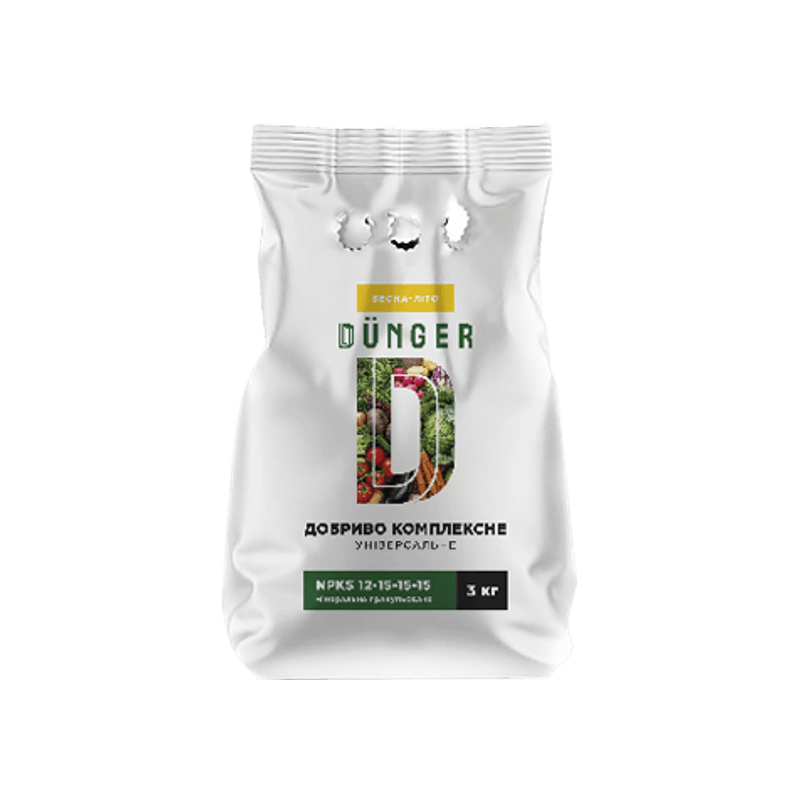
Complex fertilizer universal granular
The directions for this universal granular fertilizer list a group that includes legumes. Consider it for peanuts only when the soil test supports this combination of nutrients.
Check the composition, crop group and a suitable whole-bed preparation method before sowing. Keep granules out of the peanut seed furrow. Compare the 3, 4 and 5 kg pack sizes with the amount you need.
Questions about sowing peanuts outdoors
No. Check the soil at seed depth and the coming forecast as well. A cold seedbed slows the start. After sowing, there must still be enough warm time for the cultivar to mature.
Planting seed with a known cultivar and maturity is a better choice. Roasted or salted peanuts are not suitable. If you buy shelled planting seed, protect its thin seed coat.
Check soil test results and earlier applications first. If the nutrient blend and method fit, calculate only the area you will actually treat. Follow the unit in the directions and compare the result with pack sizes, rather than estimating from the size of the entire garden.


