


Feed bulb onions according to the soil and the stage of growth. Before planting, find out which nutrients the bed actually needs. After the plants have rooted, consider nitrogen during active leaf growth. As the base swells and the bulb develops, avoid large late nitrogen applications: they can delay maturity and make the crop harder to prepare for storage. This guide is for open-ground onions grown for bulbs. A bed planted for green tops has a different harvest goal and calls for its own decisions.
Check what the bed has already received
Write down what was applied for the previous crop and what went into the ground before planting. If you added compost to one end but only loosened the soil at the other, treat them as separate areas. Dark soil alone cannot establish whether it supplies the right nutrients. For phosphorus and potassium in particular, a soil test from the actual bed is more useful than colour or the result from an unrelated part of the garden.
Choose representative sampling spots and follow the laboratory's instructions. Keep recently spilled granules and the compost heap out of the sample. If two beds have had different treatments for years, a combined sample may conceal the difference. Look for recommendations that apply to vegetable beds. Results for a lawn, flower border or patch beside the onion rows cannot automatically give you the same decision.
Before planting: choose phosphorus and potassium according to need
A compound granular fertilizer can suit bed preparation if the identified needs match its nutrients. Where phosphorus is already sufficient, adding a product containing more phosphorus will not address an isolated need for nitrogen efficiently. Compare the composition and the directions with the advice for your soil. If the recommendation and the product do not fit, seek a closer match instead of spreading more granules to make up the difference.
A prepared bed must also allow excess water to drain. Check the centre and lower edge after rain. Onion sets on a raised strip and plants in a saturated hollow can develop differently even where soil preparation was the same. This comparison can explain uneven establishment before you look for a fertilizer problem. For sets intended to overwinter, keep a separate plan based on when to plant winter onions.
After rooting: decide whether nitrogen is needed
Onions need available nitrogen to grow leaves, but the first green tips do not tell you whether to add it. Give sets and transplants time to establish roots. Look for new leaf growth and soil that is moist without being saturated. Account for what you have already applied. If you are uncertain whether the bed needs extra nutrients, discuss the test results and the intended storage crop with a local adviser.
When feeding is warranted, use the method that actually applies to your crop group in the chosen product's instructions. Measure the treated ground in the units given for that method. Mass per square metre and mass per running metre of row use different measurements. Bed length alone cannot give area. If different rows of an instruction table use both units for different methods, do not add those rates together.
How to tell when bulbing begins
Compare the bases of several plants in different parts of the row. Swelling shows that the plant is starting to form a bulb. Timing depends on cultivar, day length, weather and plant development. Ask which conditions your seed or sets are intended for and use the plants as your guide instead of relying on another grower's dates. If the bed behaves differently across short distances, return to the soil assessment before fertilizing.
Plants continue taking up nutrients after bulbs begin to form. That alone is a poor reason for a large late nitrogen dose. Excess may keep the plants growing for longer and leave thick necks that are harder to cure. Avoid using fertilizer to stimulate more tops when the storage onions are already maturing. Observe the neck and the natural fall of the leaves to judge progress towards harvest.
Investigate yellow leaves before buying fertilizer
- If the edge of the bed yellows after drying winds, check moisture at root level. A short watering can leave the surface wet and the soil underneath dry.
- If weaker plants cluster in a low spot, compare it with higher ground after rain. Look at the drainage before changing the feed.
- If symptoms are patchy, inspect several plants and their bases. Damage, signs of pests or possible disease call for a separate diagnosis.
- If tops are falling and drying towards the end of the season, check maturity first. Avoid late feeding solely to restore the colour.
Adjust irrigation to the soil in each zone
Bulb onions are relatively shallow rooted. During active growth, check that moisture reaches the growing area evenly. A light bed in southern or eastern Ukraine can dry quickly in the wind. In a heavier bed in Polissia or western Ukraine, examine how water drains after a prolonged rain. Individual gardens can also have a sunny edge and a shaded corner with quite different drying patterns. Assess each bed before adopting the same irrigation routine for all of them.
Use a trowel between rows to check below the surface without disturbing the bulbs. If the plants lack water, sort out irrigation before choosing another feed. When the bulbs have reached full size and their tops start falling naturally, reassess the need for the next watering against the weather and the condition of the plants. For a separate spring establishment plan, see when to plant onions in spring.
Look at the bed just after irrigation too. Water that runs down a slope or forms a puddle can leave the upper part of the row drier than expected. If you move the hose, start with the parts that actually need water. A growing bed and an onion bed nearing harvest can sit side by side yet need different attention.
Make a plan for an uneven bed
Suppose most of the onions grow well but a strip beside a path is weak. Mark the boundary and compare moisture and past soil preparation. If the weak strip dries first, improve the way water reaches it and observe new growth. If it lies along an old wheel track or a hollow, investigate compaction or drainage. Where the cause remains unclear, samples from the two areas can be compared separately.
Granules for a vegetable bed
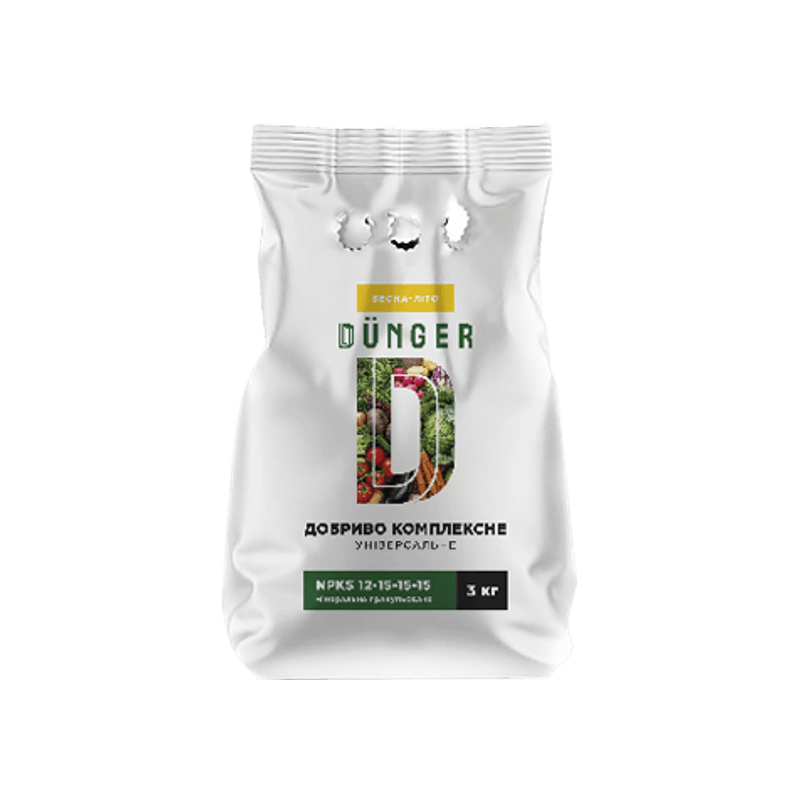
Complex fertilizer universal granular
Consider universal granules for bed preparation where the soil needs the nutrients in this product. Bulb onions belong to the vegetable group. The quoted row is the group rate for an area-based method. The directions do not give this as an onion-only schedule or a portion for each bulb.
Vegetable, legumes and greens: 20-40 gr/m²
The 3 and 5 kg bags and the 4 kg canister contain granules. Check the application method, composition and required weight against the directions and the recommendation for your soil. Count only the area you will treat with that method.
Frequently asked questions
Choose nutrients against the soil test and the condition of established plants. Make sure the composition and application method fit your findings. Suitable cultivar, water and light also matter for bulb development.
Avoid a large late application. Do not try to prolong leaf growth as storage onions mature. Follow the plant stage and the actual nutrient need.
Only if their needs match. Compare soil test results, previous additions and crop stage. Assess differently prepared beds and different moisture zones separately.
Count the part of the bed you intend to treat and leave out the paths. If the instructions for the chosen method use length of row, use that measurement separately.


