


Water indoor tomato seedlings with plain water when the mix starts to dry but before the whole root ball dries out. Cell size, light, warmth and the number of leaves affect how quickly a plant uses water. Lift the container, check the mix below the surface, and let excess water drain after watering. Feeding is a separate task. There is no need to add fertilizer, infusions or other mixtures whenever a seedling simply needs water.
Read the container instead of watering by the calendar
Lift a few containers from different parts of the tray. A thoroughly watered cup feels heavier, then gets lighter as the mix dries. Compare containers of the same size filled with the same mix. A larger pot is heavier by itself, so it gives a poor reference for a little plug cell. Remember how a cup feels just after watering and draining. At the next check, use its weight together with the colour and feel of the mix.
If the surface has lightened, test a little below it near the edge so you avoid the roots. A pale surface and a heavy cup often mean there is still water further down. A lighter cup and drier mix around the edge suggest it is time to water. Do not wait for all the plants to wilt or the root ball to pull away from the cup. A small volume of mix can go from adequately moist to too dry quickly.
At a Ukrainian apartment window, a heater may dry the outermost pots first. A cool glazed balcony or a tray under lamps in a cooler room behaves differently. Early in the growing season, several grey days can follow a sunny one, and airing the room can lower the temperature next to the glass. Check the individual cups after these changes. If part of the tray is ready for water and the rest is still moist, water the cups that need it.
Choose top or bottom watering to suit the container
How to water from above
Use a narrow-spouted watering can or a container that gives you a gentle stream. Aim at the mix beside the seedling without knocking over the stem. Moisten the root ball all the way through and let excess water run out of the drain holes. If the first splash runs straight down the sides and the middle stays dry, water more slowly or use bottom watering for that cup. Empty the tray after the pots have drained.
How to water from a tray
Stand cups that have drainage holes in a shallow layer of water. The mix will draw water up from below. Lift a cup to see whether it has gained weight and whether the moisture is rising. Once the root ball is moist, take the cups out and let them drain. Do not leave them standing in water until the evening. Mixes and openings differ, so a fixed soaking time for every tray is unhelpful.
Bottom watering is useful if water from above disturbs the surface. Top watering is handy for a single dry cup in an otherwise damp tray. Water flowing all the way through can also flush dissolved salts out of a pot if a pale mineral crust has formed. Discard the drainage water with either method. If you suspect disease, separate the affected pots and keep them out of any tray shared by healthy plants.
Adjust from sowing through potting up
Before seedlings emerge, keep the seed zone evenly moist. A gentle stream or careful bottom watering helps avoid washing seeds out of place. A cover slows moisture loss, so check whether more water is needed. Remove the cover once seedlings are up and make sure they get light and air. The surface will then dry faster. For more on setting up an indoor seedling area and caring for young plants, see the guide to growing seedlings indoors.
As true leaves develop, a seedling uses more water. If roots have filled a cell and the plant wilts quickly between waterings, inspect the root ball. It may need a slightly larger container. Water after potting up to settle the mix around the roots and allow the extra water to drain. Check this new container separately. Mix at the edge of a bigger pot may stay moist longer than it did in a small plug.
When you plan the next round, consult the guide to choosing a tomato sowing date. Sowing time depends on where and when the plants can go out; watering depends on mix moisture and growth. Keep the first and later rounds on separate trays if their pot sizes or leaf development differ. It is easier to water each group according to need when you do not have to move the whole tray at once.
Work out why leaves wilt or a tray stays wet
If leaves droop, lift the cup. A light dry cup needs water. If it is heavy and wet, check drainage, temperature and the base of the stem. Pour off standing water and let the root zone get air. Another watering does not help merely because a plant is drooping. A green slippery surface is often a sign that the mix stays wet too long. Check each cell and let the surface start to dry between waterings.
If a young stem becomes thin and dark at the surface and the plant falls over, check for damping-off. Separate the affected seedling and its mix and inspect nearby pots. Start the next batch with clean containers and fresh seed-starting mix. Cool wet conditions can favour damping-off. Small raised bumps on a stem or leaf in humid indoor conditions can have a different cause. In oedema, the roots take up water faster than the leaves lose it. Check growing conditions before choosing any fertilizer or treatment based on one sign.
Make the feeding decision separately
Read the mix label. Some contain starter nutrients, while others need a planned addition as plants develop. Think about whether you have changed the mix or fed the pots already. When growth slows, also check light, night temperature, moisture and container size. If conditions are right and the plants have a reason to need feeding, read how to feed tomato seedlings and follow directions for the seedling stage.
Compare three cups on the same tray
After a spell of sun, the cup at the edge is light and the mix below the surface is starting to dry. Water that cup alone. A central cup with a similar seedling still feels heavy and moist, so check it again later. A third cup dries unusually fast and its roots already hold the entire plug together. Set aside a slightly larger container and see how quickly the new mix dries after potting up.
If one tray is near a heater and one stands in a cooler corner, label them separately. Compare their weights after drainage and before the next watering. Check again if you change their positions or the weather turns cloudy.
When feeding belongs in a separate watering
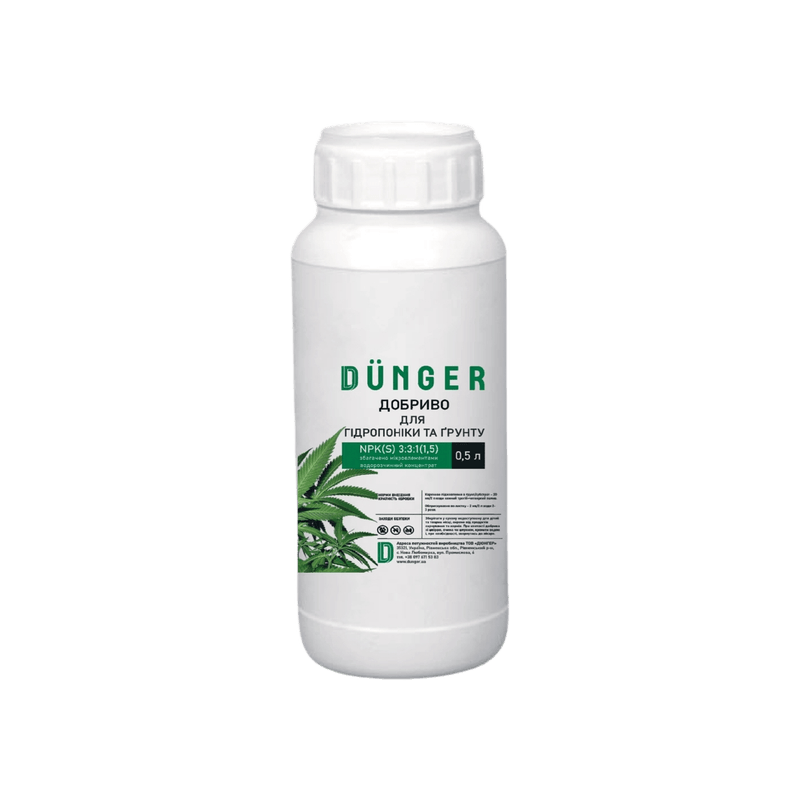
COMPLEX FERTILIZER FOR HYDROPONICS AND SOIL
If healthy seedlings need nutrients, this concentrate has a root-feeding direction for seedlings grown in soil or substrate. Open the full directions and check the root method. The foliar row does not determine the amount for watering.
Plan the number of bottles for the seedlings that actually need feeding. The bottle size describes the concentrate. Keep ordinary watering with plain water separate and check the mix before every irrigation.
Common questions about watering tomato seedlings
A daily check is useful, but water according to the mix. Small cells in sunlight can dry faster than larger cups. If the root ball is still moist, wait and check again later.
For routine watering, use clean plain water. Let very cold water come to room temperature. If a pale crust keeps returning, investigate the water and previous feeding before adding more fertilizer.
The water in a bottom-watering tray is there only while the mix is drawing it up. Remove and drain the cups when they are moist and empty the tray. Standing in water displaces air from the root zone.
Check light, plant spacing, temperature and moisture first. Thin stretched stems often develop under weak light. A household additive cannot supply those conditions. Use a concentrate only if you have identified a separate feeding need.


