


To grow cucumbers on a trellis net outdoors, build the support first and then sow or transplant alongside its lower edge. Choose a climbing variety suited to an outdoor bed, leave yourself room to water and pick, and wait until the soil has warmed and frost is no longer expected locally. When the young vines reach the net, guide their tips to an opening. Most will then hold on with their tendrils, provided they can reach the mesh and it stays taut.
Choose a cucumber variety that can climb
Look on the seed packet for two things: suitability for outdoor growing and the expected length of the vines. A vigorous vining cucumber can make good use of a vertical net. A bush type or a short-vined variety may be more comfortable with low support or none at all. If you plant two varieties in one bed, mark where each section starts.
If the variety needs insect pollination and you cover the young plants with fleece, open it at flowering. Some varieties set fruit without pollination. Use the seed description to decide when to remove a cover.
Place the net where you can reach it
Choose a sunny spot where water does not stand after rain. Picture the net in summer, with leaves filling the openings. Check that the leafy wall will not cast shade over another sun-loving crop for much of the day or cut off access to the next bed. If you are working beside a solid fence, leave enough room to see under the leaves, inspect a drip line and reach the cucumbers hanging behind the net.
Walk the proposed row with a full watering can. Widen the path if you step onto the bed to turn, and use a shorter securely anchored span if the site is windy.
Put up the trellis before sowing
Set the end stakes deep enough to resist gentle pressure from your hand, then add a middle support if the span sags. Attach the top edge, straighten the net and secure the bottom. Choose a height that lets you pick near the top while standing on the path. Select openings you can guide a shoot towards and see through. Bend sharp ends of metal fixings away from the path and the foliage.
The net should hold its shape without pulling the stakes towards each other. Fix a loose bottom edge before planting so the first tendrils can take hold without waiting for the vines to reach the middle of the mesh. This is also a convenient time to set out the drip line. Once the cucumbers have rooted, driving stakes close to the row can disturb their roots.
Sow or transplant along the bottom of the net
Growing conditions can differ between neighbouring plots in Ukraine. A raised bed in the sun can warm faster than a low spot where cold air lingers. Check the local night forecast and feel the soil. If it is still cold and wet, wait. A net can support a shoot, but it cannot warm a seed or shield a cucumber from frost. Read the guide to choosing when to sow cucumbers outdoors for a closer look at that decision.
Mark out the final plant positions using the spacing for your variety. Do this before watering, while you can still see the marks. Avoid packing in extra plants just because their stems will grow upwards. Each one still needs room at its roots and a section of mesh above. If several seeds emerge in the same spot, thin to the variety's spacing. Where their roots may already be tangled, cutting a spare seedling at soil level disturbs its neighbour less than pulling it out.
For transplants, make a hole that takes the whole root ball. Lift the plant by the container or the root ball and set it in carefully, without pulling on the stem. Water around it. Position the root ball close enough to the net for the growing shoot to reach a lower opening without a sharp bend. In the first few days check moisture in the root ball and nearby soil separately. If leaves wilt after a cold night or immediately after moving, look at moisture, roots and weather first.
If you start plants in pots, read about timing cucumber seedlings for transplanting before you choose a sowing date.
Guide the first vines without pinching the stems
When a flexible shoot reaches the trellis, bring the tip alongside an empty opening. There is no need to thread the whole leafy vine through. If the shoot falls back towards the soil, support it temporarily with a broad soft tie. Leave room around the stem and check the tie again in a few days. Once the tendrils hold, you can take off a loose temporary tie if the plant no longer needs it. Reposition a new tip rather than wrenching an older vine away from a net it has already gripped.
Give each plant a clear section to climb into. After a gust, check the bottom fasteners and look for stems rubbing against a rigid edge. On an ordinary home bed, gently guiding new tips and separating an obvious tangle is enough to start. Whether to pinch or remove side shoots depends on the variety. A training diagram for a greenhouse hybrid may give the wrong instructions for the outdoor cucumber you have chosen.
Water and pick with the trellis in place
Check moisture near the roots, especially during windy weather, hot spells and fruit growth. A dry-looking surface does not always tell you how much water remains below it. Move any mulch aside and check the soil in more than one place. Water the ground at the base of the plants. With a drip line, make sure the far end is being watered as well as the near end. If a single plant starts yellowing, compare its position and moisture with the neighbouring plants before you change the whole row's care.
Pick cucumbers at the size appropriate for the variety, looking at both sides of the net. If a fruit has grown into an opening, support it and find the easiest way to free it without tugging the vine. Inspect dense foliage when it is dry. After heavy rain or wind, check that the net is still taut and that the posts are upright. Wet leaves and developing fruit put extra weight on a span.
If you see spots, compare them with outdoor cucumber disease symptoms before treating the entire row.
Feeding established cucumbers if they need it
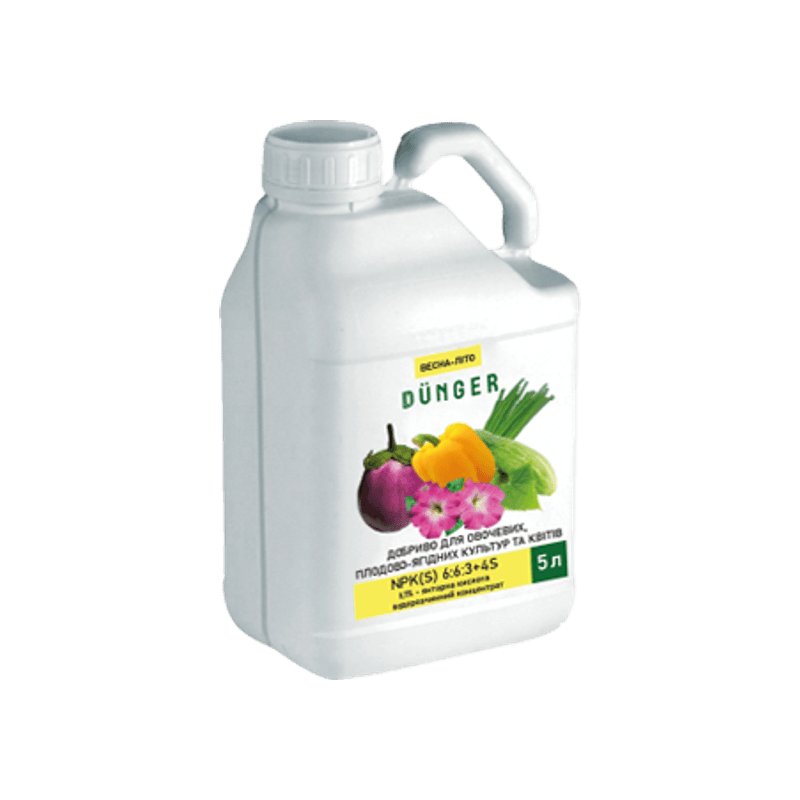
Complex fertilizer for vegetables, fruit and berry crops, and flowers
If soil assessment and the bed's feeding history point to a need for root feeding, this liquid concentrate is one option for established cucumbers. The product instructions cover vegetables as a group. The adult vegetable row for root feeding states 50 ml/10 L of water (100 ml of solution /plant). That is the rate for this product, separate from ordinary watering. Read the full instructions and check the crop stage before applying. Seedlings have a separate entry.
See feeding cucumbers at different growth stages for help deciding when to check watering first. Seeds that have yet to emerge and plants that wilt immediately after transplanting need a check of the soil, weather and roots. If you have several beds to manage, save the measurements for each growing area in My garden.
Common questions about growing cucumbers on netting
Yes. Put up the support first and sow once the soil has warmed and the local frost risk has passed. Use the packet's sowing depth and spacing. The first seedlings have no tendrils to attach to the net. Wait until a flexible shoot can reach the lower openings easily before giving it any help.
Check whether it has tendrils and whether it can reach the mesh without bending sharply. A soft temporary tie can bridge a gap at the bottom of the net. If the plant stays short after rooting, read the variety description again. A bush cucumber can be growing normally even if it never fills a high trellis.
If the plants are already in the bed, set the supports outside the row to limit root disturbance. Avoid lifting a whole tangle of older vines at once. Start with flexible new tips and keep the base of each stem still. Next season, put the net up first so the roots can establish without disturbance.


