


Sow pumpkins outdoors in spring when the soil has warmed consistently, the risk of night frost has passed and the bed drains after rain. Start by choosing a cultivar and making room for its vines. Then check the ground at sowing depth. One sunny afternoon can warm the surface while the soil around the seed remains cold.
Choose the kind of pumpkin you want to grow
For the kitchen, choose an edible cultivar and check the packet for maturity time and growth habit. Cooking pumpkins are normally harvested mature, when the rind has hardened. Courgettes are usually picked young while the skin is tender. The plants are related, but a spacing plan for bush courgettes may be far too tight for a vining pumpkin. Small fruits can grow on long vines. Look for a description of bush, semi-bush or vining growth instead of estimating from the fruit photograph.
Where the warm season is short, choose a cultivar that can mature in the time available. Check whether the stated days to maturity are counted from sowing or transplanting. If the packet does not say, ask the seed supplier before using that number to plan the bed. Allow some room for cool spells in spring and toward the end of summer. If you are also choosing courgettes, use the guide to planting courgettes outdoors for that separate bed.
Check whether the seedbed is warm enough
Place a soil thermometer at the sowing depth on the packet. Measure in the same spot at about the same time over several days to see whether the warmth holds. If a part of the bed is shaded, compare two spots. Morning measurements can reveal overnight cooling that you would miss in bright afternoon sun. Check the local night forecast separately. Even warm soil will not protect young leaves when frost forms above ground.
Butternut and related Cucurbita moschata types generally need more warmth than some other pumpkins, so establish what is in the packet. If the supplier gives a sowing temperature for the cultivar, compare it with your measurements. After cold rain, let the bed drain and warm up again. Soil that sticks heavily to the tool is hard to prepare for an even sowing. Keep your markers in place and come back when the bed is workable.
In Ukraine's southern Steppe, a raised sunny spot may warm sooner and also dry quickly in the wind. In a cooler part of Polissia or a shaded low spot, water and cold can persist. Your garden's shape and exposure are as important as the local forecast. The same forecast for two gardens does not guarantee equally warm soil. If you want to grow watermelons nearby, check the guide to planting watermelons for that crop's planting conditions.
Make room for the vines
Choose an open sunny spot with no standing water. After rain, look at the runoff from paths and other beds. If it collects at a planting point, move the seed position or improve drainage first. Check whether tall neighbouring plants will shade the seedlings as they grow. Our guide to assessing garden soil can help you compare soil and mark out planting zones.
Mark the packet spacing on the ground before opening the seeds. For a vining cultivar, picture where the runners will spread. Leave a clear route to the tap, gate and neighbouring crops. In a narrow garden, a compact cultivar is often easier to accommodate than several sprawling ones. Walk between your proposed rows with a watering can to see if the space is still usable.
Check whether cucumbers, courgettes or pumpkins occupied this bed recently. Moving from courgettes to pumpkins leaves a crop of the same family in the bed. Consider a different sunny location where an unrelated crop grew, particularly if the plants in the old bed had disease. Record the change on a garden sketch so you know what to compare the following season.
How to sow pumpkin seed in the ground
- Mark each planting point using the spacing for the cultivar. Clear weeds and break up clods where the seeds will go.
- Moisten a dry seedbed and let the water soak in. If the ground remains sticky after rain, come back later.
- Sow at the depth on the seed packet. Level the surface lightly and label the date and cultivar.
- Water gently as needed. Once the plants have true leaves, keep the number of healthy seedlings required by the spacing plan.
Hold off on resowing just because one point comes up ahead of the rest. Compare seed depth, crust after rain, warmth and moisture at the two locations. Lift a little soil away from the seed point and check if it is dry below. A shiny wet surface right after watering does not tell you whether the moisture has been even. If nothing comes up and conditions have improved, use spare seed in the gaps rather than sowing over emerging plants.
A fabric cover may help if temperatures dip after emergence. Anchor it and check the temperature under it on bright days. Vent the cover if it is getting hot. Cover does not remove the need to check the seedbed first. Once the plants start flowering, remove it so insects can reach the flowers. If you are also growing melons, see the guide to sowing melons outdoors for planning a separate bed.
Use spare seed where the bed warms unevenly
If sunny and shaded sections warm differently, use the places that are ready and leave markers in the rest. Keep a few seeds from the same cultivar. You can fill a gap later without changing the growth habit or final spacing you planned. On a light bed, check that moisture reaches beneath the surface. On heavier ground, wait for water to soak in before adding more.
What to check once true leaves appear
The first smooth leaves are the cotyledons. Once the true leaves appear and you can judge vigour, keep healthy seedlings in the pattern you planned. If seedlings are close, clip unwanted ones at ground level to avoid disturbing neighbouring roots. Check access to the bed while the plants are small and remove young weeds with shallow work away from the roots.
Choosing fertilizer for bed preparation
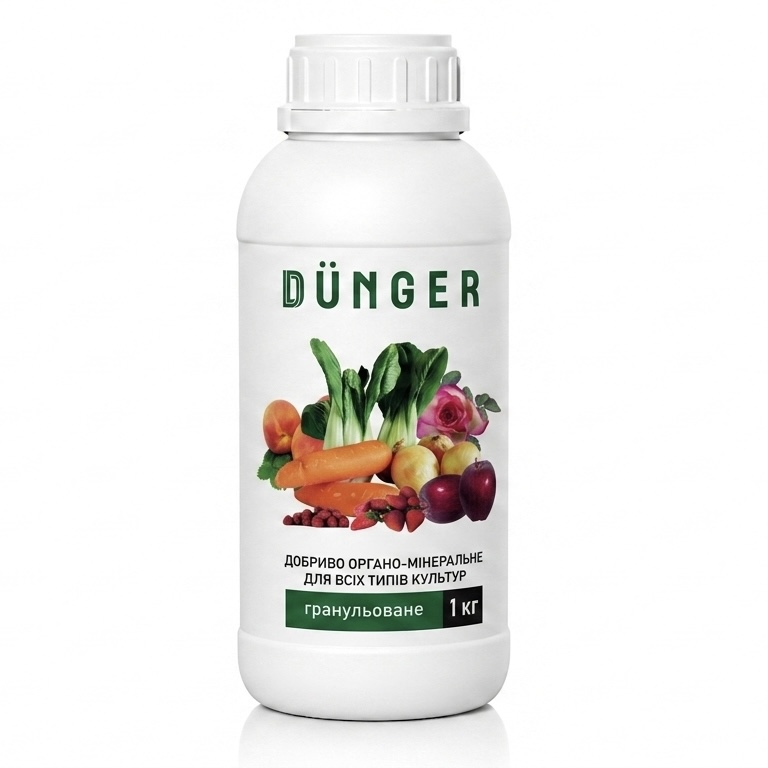
Organo-mineral fertilizer for all types of crops granular
If your soil assessment and previous applications indicate a need for a base application, consider the DÜNGER organo-mineral granules. The full instructions cover soil preparation and include an all-crops group. Match the method and rate to the work you are planning before preparing the ground.
Compare the 1 and 5 kg packs after making the calculation. Measure the actual area to be prepared and fed, excluding paths and neighbouring beds. Granules cannot make a cold or waterlogged seedbed ready to sow.
Questions about sowing pumpkins
Check the temperature and texture at sowing depth. If the soil is cold, saturated or sticky under the tool, let it drain and warm up. Warm air after a storm does not mean the seed layer is ready.
Both crops belong to the squash family. If you have the space, move the pumpkins to a bed where an unrelated crop grew, especially if the previous planting had disease. Take the cultivar's spacing and the walking path into account.
Check the soil condition, any test results and what was applied before. If preparation calls for more nutrients, choose the method and rate from the instructions and match the pack to the area. Give a cold or saturated bed time to become workable first.


