


A miniature rose can flower indoors if it has a very bright site, a moist root ball that drains and protection from hot air. After bringing it home, change one thing at a time. Remove its wrapper, check drainage and look beneath the leaves. Over the next few days you can tell more about the light, how fast the pot dries and whether the foliage shows signs of pests.
Light for an indoor miniature rose
A compact bush labelled Rosa needs plenty of light, even if its pot is small enough for a coffee table. An unobstructed east-facing window can be brighter than a south-facing one shaded by another building or a balcony. Compare the actual sites when the plant will occupy them. After leaving a bright greenhouse, a dim shelf several metres from the glass is usually a poor place for long-term care. A miniature rose also differs from the adenium known as desert rose, which has different needs for moisture and warmth.
At a bright window, check heat as well as light. In a centrally heated flat, potting mix can dry unevenly above a radiator. A small dark pot can warm during a sunny hour, while leaves close to the window can chill rapidly after the room is aired. Aim for a place with light and without a persistent stream of hot air. If the light comes from one direction, occasionally rotate the pot a little rather than carrying it from room to room each day.
Compare new leaves and shoot positions over several days. New shoots reaching towards the glass or a long pause in growth at a dim window suggest checking the light first. Fertilizer cannot supply missing light. Remove spent flowers with a clean tool. Keep healthy leaves and stems while the bush settles.
How to water a small container
Check the root ball before watering rather than following a calendar. Feel the mix below the surface and lift the pot. A freshly watered ball weighs more. If the rose wilts, work out whether its pot is light and dry or heavy and wet. Wilted leaves can appear in either case, so check the pot before pouring in more water.
- Take the inner pot out of the outer container and check that the holes are clear.
- Water evenly so the moisture travels through the root ball.
- When the pot has drained, empty the saucer or the outer container.
- After moving the rose, check it sooner than usual to learn how fast it dries in the new place.
If water drains immediately but the centre is still dry, give the mix a small second amount after a pause. If the soil stays wet for a long time, look beyond the surface. Check whether the pot is standing in water, the mix has compacted or the roots are soft and dark. Repot when roots fill the pot or drainage cannot be restored. Choose a slightly larger container with holes and a loose potting mix. There is no need to pull apart a healthy root ball during acclimation simply because you see several stems.
Imagine two identical roses from the same shop. One is beside a warm sunny window, and the other is on a bright shelf in a cooler room. If you water both at the same time, one may dry while the other remains heavy. Check each individually and move a pot if its position is producing severe changes. Judge the response by new growth, not foliage damaged in transit.
What to check when leaves pale or fall
Locate the first signs: on lower leaves, at young tips or on one side of the bush. Irregular watering and damaged roots can cause leaf drop. Tiny pale dots, dull foliage and fine webbing beneath it are reasons to check for spider mites. Webbing alone does not establish the cause. Look at the undersides in good light, separate the suspect pot and check the plants that stood next to it.
If buds dry, distinguish the effects of hot air, a dry root ball and possible pests. Check whether only older flowers dry or whether fresh buds are also affected. Change one factor after checking it, such as clearing drainage or moving the pot out of a heater’s airflow. Avoid guessing with household sprays or feeding a wilting rose. Photograph new foliage under the same light so you can compare it at the next check.
If damage is limited to a few patches, keep green foliage. Collect fallen leaves, give the bush space and inspect neighbouring pots separately. This makes it easier to see where changes spread. If you confirm a pest and choose a control, read the instructions for the exact situation. Avoid copying a treatment intended for an outdoor rose bed into living space.
Move to a balcony or garden in stages
The rose can go to a balcony or garden in the warm season if the cultivar suits the conditions. Start in a sheltered spot out of strong sun and lengthen exposure gradually. Begin when frost risk is past according to the local forecast. In an exposed courtyard or in the Ukrainian foothills, nights may stay cold longer than on a sheltered urban terrace. For a plant that will stay outdoors, check cultivar hardiness and how the roots will be protected.
Roots in an above-ground pot are more exposed to freezing than roots in garden soil. Do not assume a small pot can spend the winter on an unprotected balcony because other garden roses survive nearby. When preparing to plant outdoors, check light, drainage and space for a mature bush. See the guide to growing roses in the garden for help assessing the site. If the plant stays indoors, short days may slow its growth. Adjust watering and feeding to its condition instead of trying to keep it in perpetual flower.
Prepare the outdoor site
On a balcony, set the pot where wind cannot easily tip it over. After the first rain, see whether the holes remain clear and empty any standing water. If pale dry patches appear only on the newly sun-exposed side, shorten direct exposure and increase it again gradually. In the garden, choose a place where you can check the bush and water its roots while it establishes.
For an actively growing rose in a pot, account for nutrients already in the mix and check whether the fertilizer instructions address containers. An application for a mature outdoor rose bush should not be transferred to a small pot. Assess established garden roses separately, accounting for previous feeding and the condition of each plant.
A shop pot can have several stems. Before repotting, check whether they belong to one branched plant or several. Keep air and light around the lower leaves and assess the roots after the current flush of flowers.
Feeding established roses in a garden bed
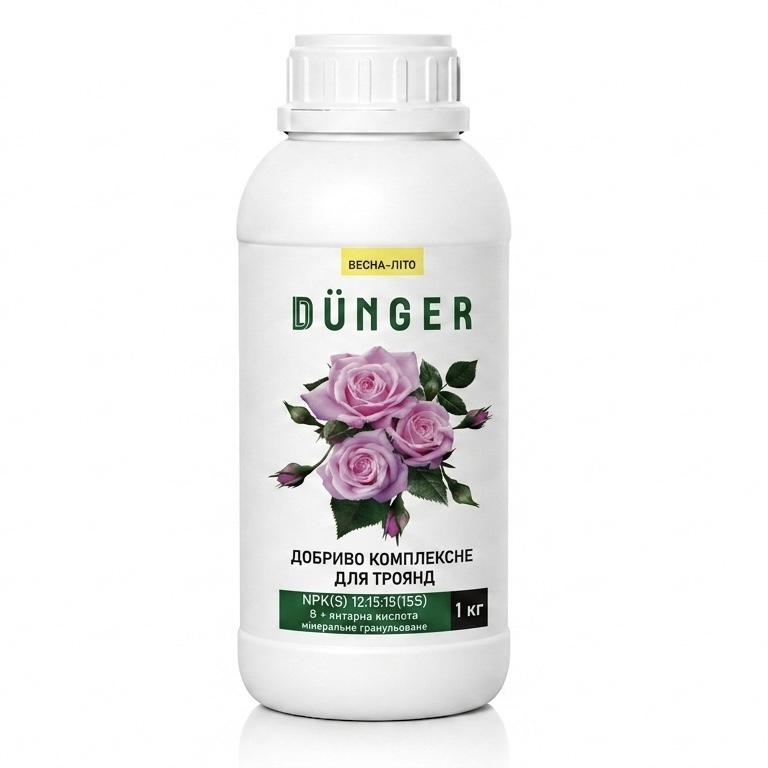
Complex fertilizer for roses granular
If you also grow established in-ground roses and those plants need feeding, consider the DÜNGER granular rose product. The directions include a rose row and root-zone placement, with bush age and size taken into account. Plan this separately from fertilizer for an indoor container.
Compare the 0.5 and 1 kg packs for the bushes that actually need feeding. Read the full directions and choose a weight to view its corresponding photo and price.
Frequently asked questions
If the mix wets evenly, roots look healthy and drainage works, give the bush time to settle. Consider repotting if roots fill the container or the existing pot does not drain.
The centre may still be dry, or the whole ball may be too wet. Check weight, drainage and roots. If the leaves have pale dots and webbing, examine their undersides for mites.
It depends on the cultivar, container and actual temperature. An above-ground pot is exposed to more severe cooling than garden soil. If you cannot establish hardiness and provide root protection, avoid leaving a small pot exposed to frost.


