


Desert rose, or Adenium, is a warmth-loving succulent that is best kept in a pot in Ukraine. The swollen base of the stem, called a caudex, stores water. Healthy growth and flowering depend on bright light, warmth and a porous mix that drains freely. The plant uses water faster when it is warm and actively growing. During a cool resting period, reduce watering. Before changing its care, look for new leaves and notice how long the pot stays heavy after a drink.
Choose a bright spot and check the night conditions
Set the plant in the brightest place you can offer where the pot does not get in the way of opening the window. Look at the spot in the morning and again around midday. A tree outside, a deep balcony or a heavy curtain can shade a plant for much of the day. If new shoots are thin, stretched and leaning strongly to one side, check where the light comes from. Move the plant closer to that light or use a grow light if you have no bright windowsill. A desert rose kept in deep shade during active growth is unlikely to set many buds.
In warm weather, the plant can go onto a balcony or terrace once the risk of frost has passed and nights are comfortably warm. Start in a sheltered, bright place and introduce direct sun gradually. A plant that spent the winter behind glass needs time to adjust to outdoor sun. On an exposed upper-floor balcony, make sure wind cannot tip the pot. After heavy rain, check whether the saucer or decorative outer container has trapped water around the drainage holes.
A warm afternoon in a Ukrainian garden does not tell you how cold a low-lying yard or open balcony will become overnight. An enclosed city balcony may do the opposite and heat up sharply in sunshine. Check the conditions where the plant actually stands. Bring the pot indoors before cold autumn nights. In winter, keep stems from resting against cold glass and move the pot out of the stream of cold air when opening a window. A bright place with more stable warmth is easier to manage than a sunny sill that chills sharply every evening.
Use a pot that lets water escape freely
Check the drainage holes and the saucer before repotting. Water should flow out after irrigation, and any excess in the saucer should be emptied. If you use a decorative outer container, put a nursery pot with drainage holes inside it. Lift the inner pot out to water it or empty the water that collects below it. Standing water is easy to miss in an opaque container. The surface can look dry while the lower part of the pot is still sitting in water.
Choose a loose succulent mix that remains porous after watering and releases excess water quickly. Bagged mixes behave differently, so try moistening a little of the mix separately before you use it. Once drained, it should not become a sticky, dense lump. A porous clay pot may dry faster than a plastic one of the same size. Width, the amount of mix and the plant's location also matter. Learn how the new container dries before repeating the routine you used with the old one. Before you buy a new mix, see the guide to soil and pots for succulents to compare how different ingredients and containers affect drainage.
When it is time to repot
Look around the sides and underneath the pot. If roots have filled it or the swollen base has started to press against the walls, plan to repot when active growth resumes. Choose a stable pot only a little larger than the root ball. A large volume of unused mix stays damp longer where roots have yet to grow. Avoid a vessel that narrows at the top, because the plant can become difficult to remove later. Wear gloves when handling cut or damaged stems because the sap is toxic. Keep the plant and any cut pieces out of reach of children and pets.
Adjust watering to growth and the condition of the mix
Before watering, lift the pot and check the mix below the surface near the edge to avoid damaging roots. Learn how the container feels just after watering and how much lighter it gets as it dries. When the plant is growing and the mix has dried sufficiently, water from the top, let the water travel through the root ball and allow the excess to run away. Small splashes can wet the surface and leave the middle dry. Wait if the mix is still moist below the surface.
In summer, a small clay pot in a bright spot can lose water much faster than a large plastic pot after several cloudy days. When light and warmth decline and the plant stops growing, the pot usually stays damp longer. Reduce watering and check the mix before watering again. An Adenium that remains in leaf and continues growing in a bright, warm room still uses water. Judge it by the condition of the plant and the pot. A plant resting in a cool room and one growing steadily indoors do not need the same routine.
What to check when desert rose drops its leaves
Desert rose may lose leaves during a cool period as growth slows. Think back to when it started. Did you recently bring it in from the balcony? Has the pot been wet for several days? Check the base and stems. A firm base with no rapidly spreading marks is a different situation from a wet, soft area that keeps expanding. If the stem softens while the mix stays wet, check the roots before adding water or fertilizer. Leaf loss next to cold glass calls for a different first check than leaf loss in a warm, persistently wet pot.
If the plant declines suddenly in a warm spot, also look for pests. Inspect the undersides of leaves, the places where leaf stalks meet stems, and the growing tips. White cotton-like clusters can point to mealybugs. Small pale marks and fine webbing are a reason to check for mites. Move a suspect pot away from the rest of the collection while you identify the cause.
Work out why buds are absent
Check whether the plant is actively growing. When shoots are extending in a shaded spot, start by improving the light. If the plant has only just come out of its rest period, give it time to make new growth. Flowering habits vary among cultivars and hybrids, so compare the plant with its own performance in earlier seasons. Think about whether you recently cut the ends of shoots, where flowers develop. Consider feeding a healthy plant that is growing in suitable conditions. A feed cannot provide missing light, warm a cold root ball or drain water from a saturated pot.
Inspect the plant before you buy it
Check the nursery label so you know you are buying an Adenium. If the plant has no flowers, look at the swollen base, the growing tips and the undersides of the leaves. Make sure the pot is steady and you have a place for it near a bright window. If you are carrying it home on a cold day, protect it from the cold during the journey. Set a new plant away from the rest of your collection until you can inspect it in good light.
For the rest of an indoor collection, compare fertilizers for indoor plants. Check the intended use of each product before you combine purchases for several plants.
Feeding plants in an indoor collection
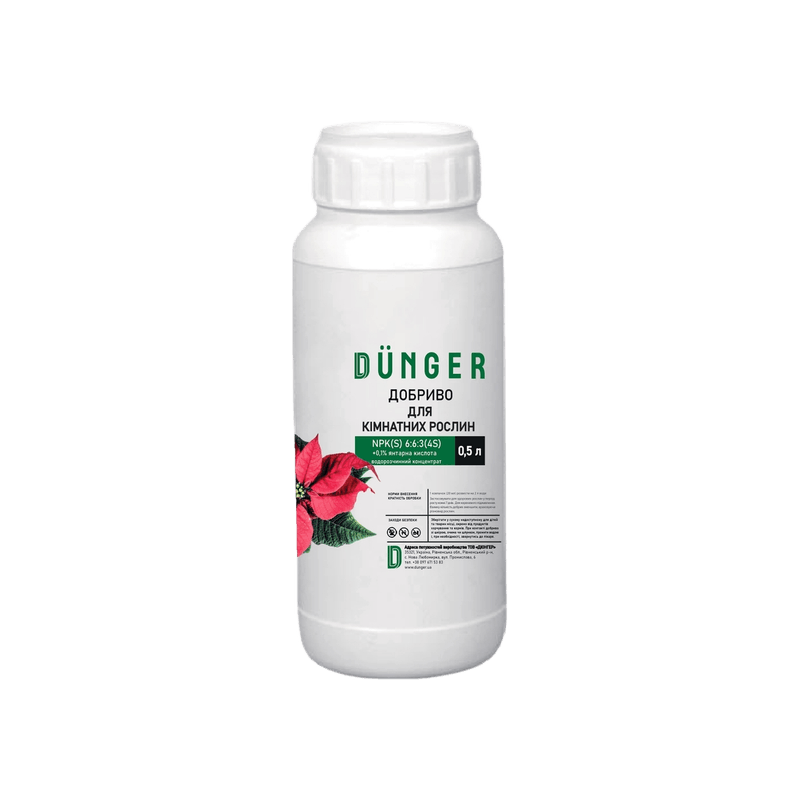
Complex fertilizer for house plants
Consider liquid root feeding for a healthy indoor plant that is actively growing. For an Adenium, first check that the stated use and method fit your succulent.
Before ordering, check the bottle volume and the needs of the pots you intend to feed. If the plant is resting in cool conditions or its mix stays wet, address those conditions and wait for active growth.
Common questions about desert rose
In Ukraine, plan to overwinter it indoors. It is sensitive to cold and cannot tolerate freezing. An open balcony or cold veranda is no substitute for a bright spot in the house. Move the pot away from an open window while airing the room.
Check the moisture lower down and lift the pot. The surface dries first, especially on a warm windowsill. If the lower mix still feels damp or the outer container holds water, wait and restore drainage. During active growth, avoid leaving the whole root ball dry for a prolonged period.
Adenium belongs to a different group of plants. Choose by the product's intended use and check that it fits the way you grow your indoor succulent. Feed healthy plants during active growth when appropriate. A direction written for a garden rose does not establish a rate for a potted Adenium.
Check the pot, its drainage and the condition of the mix first. A healthy plant in a suitable container can stay there until it fills the pot or enters a convenient growth period. If water cannot drain, the mix stays wet or there are signs of root damage, investigate the problem before deciding when to repot.


