


An indoor primrose needs a cool bright position and evenly moist compost. After bringing one home, remove the wrapping, check the pot holes and find the plant’s name on its label. Shops sell several kinds of primrose. Conditions that suit the tender Primula obconica at a window cannot tell you whether another kind can survive outdoors in winter. Put light, temperature and watering in order first so you can enjoy the flowers and assess the rosette once they fade.
Identify the florist’s primrose
Primrose names a whole genus. In Primula obconica, the leaves form a rosette and clusters of flowers stand above it on tall stalks. This is a useful clue, but flower colour and shape alone do not settle the identification. Shops also sell P. malacoides and other kinds, including plants from garden groups brought into bloom for sale. Ask the seller whether your plant is meant to stay indoors and what instructions are available for the exact cultivar.
If the label reads Primula obconica, wear gloves when removing foliage or repotting. The glandular hairs on the leaves can irritate sensitive skin. Some cultivars were bred with less risk from a particular allergen, but petal colour cannot tell you which ones. When the cultivar is unknown, handle it with gloves, keep your hands away from your face and collect any trimmings. There is no need to touch the leaves every time you water.
Choose a plant with fresh buds and firm leaf stalks rather than the greatest number of open flowers. Look into the centre and under the pot. A wilted leaf beside a dry root ball and a soft dark base in wet mix call for different checks. Protect a winter purchase from cold on the way home, then open its wrapping indoors. Do not leave a sleeve around the pot if it collects water.
Choose a bright, cool place without extremes
Compare two spots in your home
Start with the light that actually reaches the leaves. Place the pot near a bright window where direct rays do not overheat the rosette. A light curtain can soften strong sun, but a dense one may make the site too dim. In a centrally heated Ukrainian flat, a windowsill above a hot radiator and a bright shelf in a cooler room can have quite different conditions even when their windows face the same way. Choose the cooler spot that still gives good light.
When airing the room in winter, keep the leaves out of the cold draught. A cool position does not mean leaving leaves pressed against cold glass or putting the pot on a balcony that freezes. In a thaw, a glazed balcony can warm by day and cool sharply at night. Check both conditions before moving the plant. If you cannot find a steadier place, start at a bright indoor window and move the pot away from the hot air.
Watch how the plant responds
Look for new buds and firm new leaves, and notice how fast the mix dries. Wilting towards the end of a sunny day can coincide with overheating. Check the moisture below the surface before adding water. The open flowers can remain visible in a dim place even while the rest of the plant is short of light. Other flowering plants have their own needs. For example, indoor bellflower at the window benefits from its own placement checks.
Water the root ball evenly
A primrose does poorly if its root ball stays dry. Feel beneath the surface and compare the weight of the watered pot with its weight before watering again. Soft leaves alone are a poor guide. If the pot feels heavy and the mix inside is wet, check the drainage and the base of the rosette. If the ball is light, dry and pulling away from the wall of the pot, rewet it gradually so that water does not just run around the outside.
- Lift the nursery pot out of its decorative container.
- Water the mix around the rosette, allowing the whole root ball to moisten and water to run from the base.
- Let the pot drain and empty the saucer before returning it to the container.
- Check again the next day if the pot is very small or the air dry. Water according to the mix.
After moving to a cooler room or once flowering ends, the mix may dry more slowly. Check it even if you used to water on set days. Conversely, a small pot in a bright window can dry between checks. If you will be away for several days, ask someone to check the plant or move it away from the stream of warm air. Do not leave it standing in water to keep it watered for longer.
When to examine the leaves and rosette
One older leaf yellowing after a move calls for a different assessment from several leaf stalks softening together. Look under the leaves and between the flower stalks. Sticky patches, fine webbing or small moving insects call for a closer look. Separate the pot from other plants if you see those signs. Clean tools before using them on another plant.
If damage begins on one side of the pot, check where it sits. Leaves drying beside a radiator and a wet root ball in a shaded cachepot need different responses. Remove fallen petals from the middle of the rosette and avoid leaving it wet after watering. Watch the new leaves and buds after making a change. Adjust one condition at a time so you can see the response.
Care after the last flowers fade
Cut finished flower stalks with a clean tool and leave healthy foliage. Look at the centre from which new leaves emerge. If it is firm, maintain bright light and moderate moisture. Repot if the container will not drain, roots have filled the pot, or the mix has lost its structure. Use a porous potting mix and keep the rosette above its surface.
Flowering at the shop does not guarantee the same result next season. Keeping the plant depends on the species, the health of the rosette and the place available. If the seller confirms that yours belongs to a hardy garden group, check how to acclimate it before planting outside. Do not leave tender Primula obconica exposed to frost. The guide to seasonal care for different begonias helps distinguish another group of flowering pot plants.
If the plant has lost leaves or stands in wet mix, first look at moisture, light and root condition. Avoid feeding a wilted or newly waterlogged plant in an attempt to restore blooms. For a healthy, actively growing primrose, check the mix and advice for its species. Keep separate notes for plants you have already fed so their care routines do not get mixed up.
Leave room around the pot so you can lift it to check the mix without brushing against neighbouring plants. If the pot sits on a decorative stand, make sure the stand leaves the holes clear.
Feeding a healthy primrose in a container
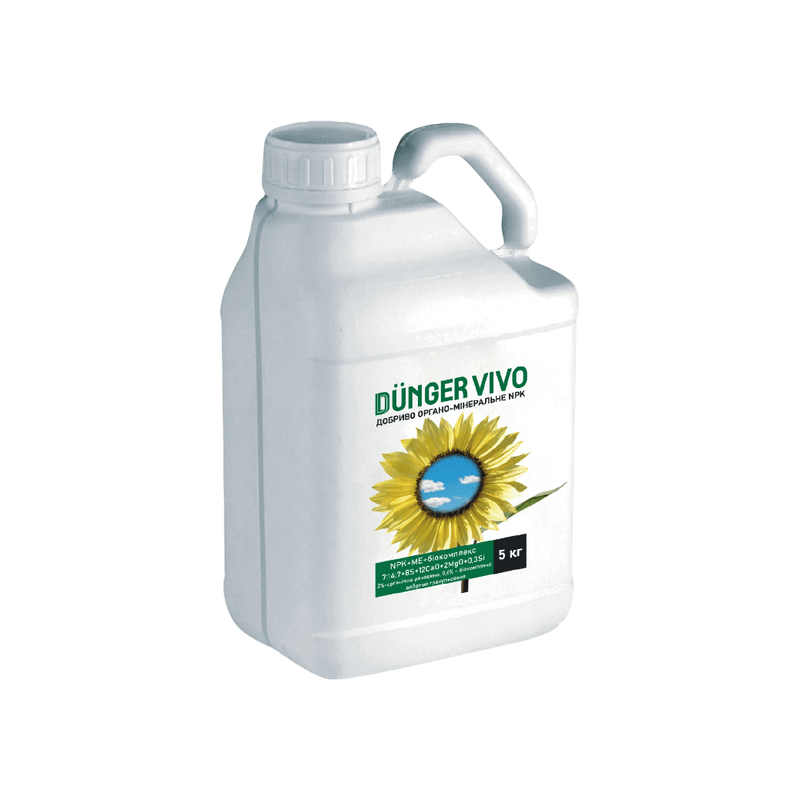
Organic-mineral fertilizer “DÜNGER VIVO” granulated
If your primrose begins active growth in spring, has healthy roots and needs nutrients beyond what the potting mix provides, consider granulated DÜNGER VIVO for flowering and ornamental plants. The directions include a separate entry for that group covering flowers in containers. Check the plant stage and potting mix before applying. Wait if the mix already contains fertilizer or the primrose is recovering from waterlogging.
The pack is 5 kg. For a single small pot, assess the actual need before ordering. If you tend several suitable flowering containers, work out what each needs using the relevant directions before comparing the total with the pack size.
Frequently asked questions
Choose a bright spot outside the hot air. A radiator can dry the root ball unevenly, and cooler conditions usually suit a flowering primrose better. In winter, also leave space between the leaves and the cold glass.
Check whether water can leave the pot, and inspect the roots and rosette. Saturated mix contains less air for roots. Avoid watering again before you know why it wilted.
Identify the species and cultivar and check their cold tolerance. Tender Primula obconica and a garden primrose may need different treatment. Acclimate a confirmed garden form gradually and check the local forecast.


