


An ornamental pepper can keep its colourful fruit on display when its roots have air and its leaves receive enough light. Start by checking what you bought. Many compact cultivars belong to Capsicum annuum, but an ornamental sales label tells you little about whether the fruit is safe to eat. For the kitchen, choose a plant sold for food with a known treatment history. For a display plant, begin by checking the light, the root ball and the way the pot drains.
Ornamental peppers and peppers for cooking
Compact peppers are selected for fruits of many colours and shapes. Some cultivars can carry purple, orange and red fruit at once as it ripens. Colour does not tell you how hot a pepper is. A short fruit or one that points upwards is not a separate category for food safety. Avoid using a photograph alone to identify an edible plant. Check the name on the label because shops also sell unrelated pot plants with bright berries.
Some ornamental pepper cultivars have edible fruit, but a display plant may have been treated with products authorized only for ornamentals. If the seller cannot confirm that it was produced for food and explain its treatment history, leave the fruit for display. Washing will not tell you which product was used or whether any harvest interval has passed. For regular picking, buy seed or plants sold as edible peppers and label those pots separately.
Even fruit of a confirmed cultivar may be very hot. Wear gloves when handling hot peppers, keep your hands away from your eyes and wash them afterwards. Keep the pot high in a bright place and collect fallen fruit.
Find light indoors and move outside gradually
Check the window rather than the room
Peppers need bright light. Watch the new growth. Long pale shoots reaching towards the glass can suggest that the plant is short of light. A pot above a radiator can dry faster than the same pot in a cooler spot, and leaves pressed against cold glass can be exposed to temperature changes. Move the plant away from a stream of hot air or cold glass without moving it deep into a dim room.
A pepper grown in a bright greenhouse will meet very different conditions on an indoor windowsill in winter. At a dark window, extra fertilizer cannot supply the missing light. First see how much bright light reaches the plant and whether curtains, a balcony overhang or a taller plant are shading it. If the plant is growing strongly to one side, turn the pot a little in the same spot. Frequent changes between warm and cold sites make it harder to judge what caused the response.
Make the move to the balcony in stages
Move the pot outside once frost is past and nights are warm enough for peppers. A mountain site or exposed village garden in Ukraine may reach that stage later than a nearby sheltered town. For the first days, choose a spot sheltered from strong midday sun and wind, then increase direct exposure gradually. A dark pot on a sunny open balcony can get much warmer than one in a sheltered position. In hot weather, check both the moisture and the temperature of the container.
Water the roots without leaving the pot submerged
Water according to the state of the root ball. It can dry rapidly in a small pot, particularly outdoors. In a cool week or after the plant comes inside, its use of water can slow. Look beneath the surface and lift the pot to judge its weight. Once you water, let the surplus leave through the holes and empty the saucer. If the root ball is wet and the leaves still wilt, check the roots and drainage before adding any more water.
- Take the nursery pot out of its outer container so that its drainage holes are clear.
- Check whether the middle of the root ball is dry or whether the soil smells stale.
- Water evenly until the root ball is moist, then let the surplus drain.
- If the plant was wilting, look at it again in a few hours. Avoid watering a second time by default.
Repot if roots fill the container, watering is difficult to control or the pot lacks drainage holes. Use a pot with holes and a loose container mix. A large volume of wet mix around a small root ball makes moisture harder to manage. Keep the root ball supported while you remove it and replant at about the same depth. Check that the outer container does not fill up again after watering.
Water appearing immediately in the saucer does not prove that the whole ball is moist. A very dry mix may shrink away from the container so that water runs down the side. Apply a small amount, allow it to soak in, then add more and check the pot’s weight. If the ball is already heavy and water stays inside, more water will prolong the problem. Record when the change began so you can distinguish a single dry spell from a persistent watering issue.
When flowers fall or leaves become damaged
An occasional fallen flower need not mean anything is wrong. If most flowers drop, look for overheating, cold, dry compost or an abrupt change in light. Compare new shoots and leaves with their condition before the pot moved. If leaves are puckered, stippled or sticky, separate the pot from other plants and look closely at shoot tips and the undersides of leaves. Fertilizer cannot clear pests or drain a waterlogged pot.
Change one part of the care at a time. For example, clear the drainage holes, then see how quickly the ball dries over several days. Once conditions are steadier, judge the response by new leaves. If you use a crop protection product on a pepper intended for eating, follow the directions for that food crop and any required interval before harvest.
Decide before cold autumn nights whether to keep the plant. To overwinter it, check for pests and bring it to a bright, frost-free space, apart from the rest of the collection while you observe it. Growth can slow. Reduce watering only as the mix dries more slowly, and allow for a pause in fruiting. If starting again with edible seed, the guide to checking when peppers are ready to go outdoors helps match spring work to local conditions.
For peppers grown to eat, plan feeding according to the difference between seedlings and adult plants. Healthy new leaves and the information on the potting mix tell you more about the immediate need than the number of fruits already present. Check whether the mix was supplied with nutrients before adding anything. The guide to feeding pepper seedlings after emergence covers those young plants separately.
Before trying homemade feeds for pepper seedlings, check the mix and roots. An unknown concentration is hard to manage in a small pot.
Feeding peppers grown for the kitchen
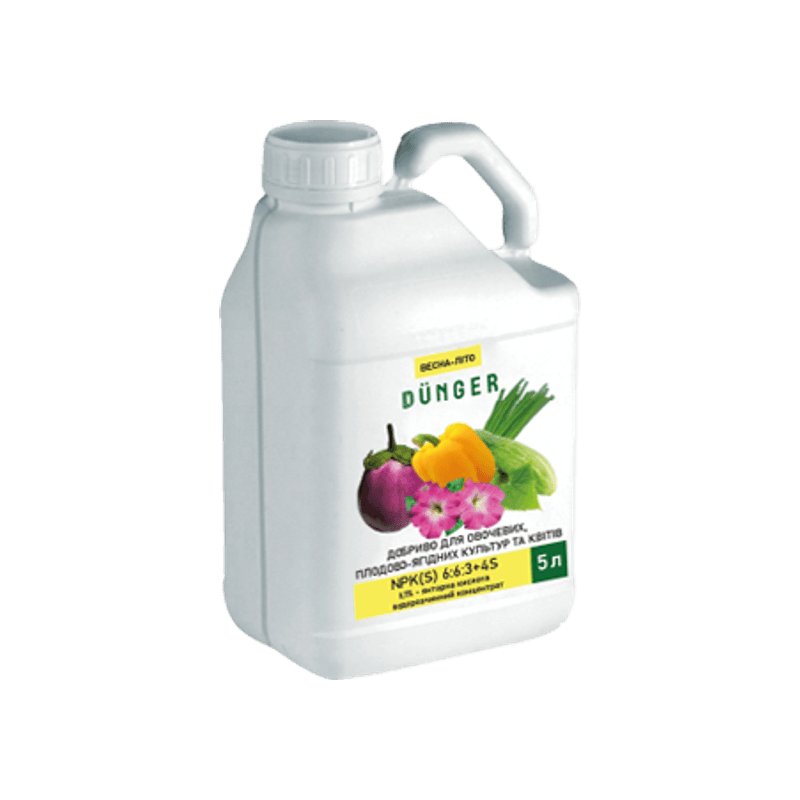
Complex fertilizer for vegetables, fruit and berry crops, and flowers
For a separate container or bed of edible peppers that need feeding, consider the DÜNGER liquid vegetable concentrate. Match the plant’s age to the vegetable instructions and check the root-feeding directions. Use this for the food crop you grow separately from an ornamental shop display.
Check the full instructions and selected 5 L canister in the product page. Work out the needs of your eligible vegetables before buying, particularly if you have only one small pot.
Frequently asked questions
Check the identity, food-crop status and treatment history first. If you cannot establish how the plant was grown and treated, keep the fruit for display. Red colour establishes neither food safety nor the degree of heat.
Lift the pot out of its decorative container, pour away any pooled water and check the drainage holes. Inspect the root ball if wilting continues. Repeated watering and a fertilizer application will not clear blocked drainage or repair damaged roots.
If the roots look healthy, the holes are clear and the mix is easy to water, give the plant time to settle first. Repot when roots have filled the ball or the existing container prevents surplus water draining freely.


