


When a potted azalea finishes flowering, remove the faded blooms and check the moisture in the middle of the root ball. A plant that keeps its leaves and sends out young shoots can carry on growing. If leaves are falling, inspect the root zone and the place where you keep the pot. Light, even moisture and time to recover matter after flowering.
Check whether you have a florist’s azalea
Flowering azaleas sold in gift pots are often cultivars of Rhododendron simsii. They are grown under cover and can be brought into flower to suit the selling season. Once you bring the plant home, its next flowering time will depend on the cultivar and your conditions. Keep the label, since it helps you work out how much cold the plant tolerates and whether it can stay outdoors.
If the plant’s hardiness is uncertain, keep it in a pot and protect it from frost. A florist’s azalea may look much like a garden azalea in a photograph, but that is no reason to plant it outside for winter. For the differences between the groups, see the azalea care guide. If the label identifies it as a garden form, the guide to flowering in garden azaleas covers conditions for buds outdoors.
Remove spent flowers and inspect the shoots
Lift the faded blooms one by one, supporting the twig with your other hand. Small green tips or new buds may be close by. Lift dry petals out from between the shoots without shaking the whole plant. Look in the middle of the crown and remove any fallen blooms from the surface of the mix before watering. Leave leaves that are still firm.
A healthy compact azalea may need no more than this. If a few young shoots extend well beyond the rest, you can shorten them lightly after flowering. Avoid cutting deep into old wood, where regrowth is unreliable. Delay shaping if the azalea is still recovering from drying out or is shedding leaves. Once new growth is visible, it is easier to see which branches need attention.
Light and watering while the azalea recovers
Choosing a position in a Ukrainian home
Find a bright, cool place where the pot will not overheat. Dry air over a radiator can speed up drying, and the glass of an unheated balcony can be very cold at night. Check the temperature where the pot will stand. On a bright windowsill, give the leaves protection from scorching midday sun while keeping the plant out of deep shade. In very low light, it can struggle to form buds.
Once the risk of frost has passed, you can move the pot gradually to a sheltered spot in light shade. See how the plant responds to the new light and wind and how quickly the mix dries. Bring it back under cover before a cold spell. If there is no suitable place outdoors, keep caring for it inside and watch the foliage.
Water the root ball thoroughly and let it drain
Azaleas need an evenly moist mix. Check the surface and inside the ball. When it starts to dry, water until it runs from the bottom and let the surplus drain. Remove decorative wrapping or take the inner pot out of its cover before watering. When the plant goes back, the base should sit above any remaining water. For the properties of a mix that holds moisture while letting air in, see the guide to soil for flower beds and pots.
Use clean collected rainwater or a tested source with low alkalinity if you can. If scale keeps forming on the watering can, find out what is in the water. The scale alone does not give its composition. If leaves yellow, check the mix as well as the water. Long periods in saturated mix, alkaline materials and overfeeding can produce similar symptoms. Do not put household acids in every watering can by guesswork.
If you keep several plants side by side, do not judge them all by one pot. An azalea in a thin nursery pot near glass may dry sooner than the plant next to it in a heavy cover. Check each root ball and keep a watering note until you know how this plant responds.
When to repot
Repot a healthy azalea after flowering if the roots have run out of room, the mix has broken down or it is hard to water evenly. Choose a pot with open drainage holes and only a little wider than the previous one. A large volume of damp mix around a small root ball makes watering harder to judge. Choose an acidic potting mix for azaleas or rhododendrons. Keep the base of the shoots at the previous level.
After repotting, water the plant, let it drain and check moisture in both parts of the pot for the next few days. The old ball and the new mix can dry at different rates. Read the new mix label before buying fertilizer, since it may already contain nutrients. With a weak plant, start by improving the conditions, particularly if leaves are yellowing while the ground is wet.
What to do if the azalea is losing leaves
Lift the pot and compare its weight with what you are used to. If it feels light and water runs out as soon as you add it, check whether the water bypassed the dry ball and ran along the walls. You can briefly rewet a completely dry root ball from below, then let it drain thoroughly. If the pot is heavy and wet, check instead whether the holes are clear and water is pooling in the cover. Fallen leaves alone cannot distinguish these situations.
Check the effect of each change before adding another treatment. For example, empty the pot cover and move the plant away from a stream of hot air, then reconsider watering after you have felt the root ball. If the leaf drop continues, photograph the shoots, leaf margins and root zone. Show the images to someone who can examine the plant, particularly if twigs dry back without a clear explanation from moisture or light.
When to look for new buds
New leaves show that the shoots are growing again. The next flowering depends on the cultivar, light, temperature and root condition. A plant grown at home may flower later and less heavily than it did when you bought it. Keep it away from a radiator while you wait for buds. When buds swell, check moisture more often and water according to what you find.
Keep a photograph of the azalea after flowering and compare it with the next flush of growth. If no new shoots appear, check light and root conditions again. Avoid heavy pruning once buds are developing. The condition of the new foliage tells you more about recovery than the date the flowers opened at the shop.
When to feed the indoor azalea
For the indoor azalea, choose a feed suitable for acid-loving plants in containers. Consider it once there is healthy new growth and the mix does not already supply enough nutrients. Check that the application directions cover pots. If the root ball has dried out or stayed saturated, restore suitable root conditions first.
For a garden azalea growing in the ground
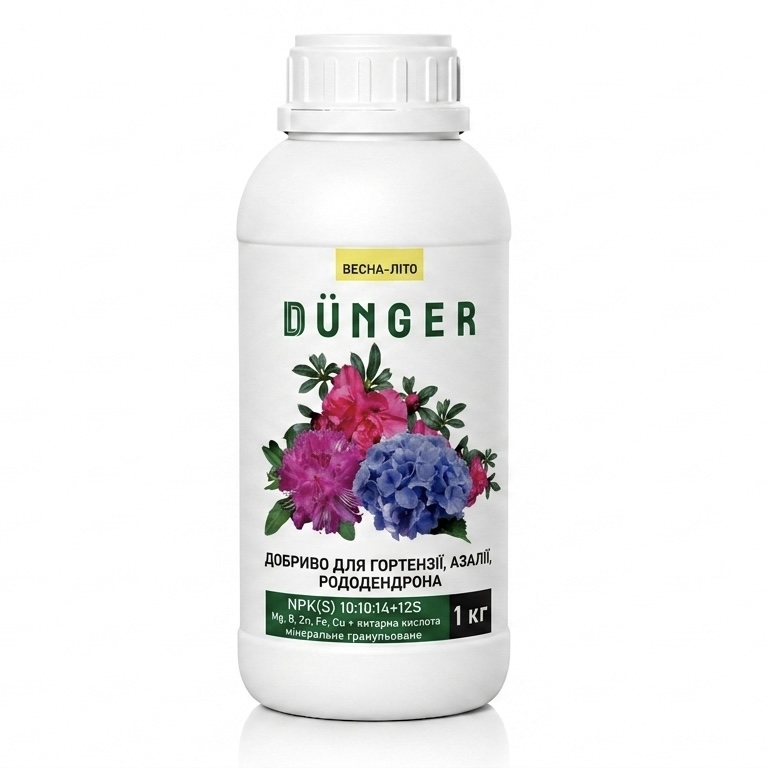
Complex fertilizer for hydrangea, rhododendron, azalea granular
If you also have a garden azalea growing in the ground, the DÜNGER granules for hydrangeas, azaleas and rhododendrons include instructions for spring and summer feeding of shrubs. Consider them if that garden shrub needs feeding and is at the stage described in the instructions. Check its age and size and the soil moisture. Choose from 0.5, 1 and 5 kg packs according to the needs of the garden planting.
Frequently asked questions
Inspect the roots, holes and growing mix. If the ball takes up water evenly, drains and supports healthy shoots, it can stay in its pot. When repotting is needed, choose a slightly larger container and a mix for acid-loving plants.
Find out whether the ball dried out or remained wet inside the pot cover. Either can lead to leaf drop. Also check for heat from a radiator, cold glass and any recent change of position. Consider feeding after healthy new growth returns.
Allow it to recover and provide suitable light and temperature first. Bud development depends on conditions and the cultivar. If a healthy, growing azalea needs feeding, select a product suitable for that plant and its mix.
Yes, provided there is enough room for the roots, the mix is still in good condition and water drains freely. Check the holes and remove any wrapping that traps water. Move to a larger size only when the roots need room or you need to replace the mix.


