


Choose an open houseplant potting mix for dracaena and a pot with drainage holes. Excess water should be able to leave after watering. Ingredients matter, but the same mix can dry at different rates in a snug pot, a roomy container or beside a cold window. Check the root ball and the way water moves through the current pot first. You may need fresh mix, a different container or a change in watering. This guide covers common cane-forming indoor dracaenas, including corn plants and narrow-leaved dragon trees.
What to look for in a potting mix
Choose a mix sold for containers. A moistened mix should hold enough water around the roots and let excess water reach the drainage holes. Fine fibrous materials such as peat or coir help retain moisture. Coarser ingredients such as bark or perlite affect air space and drainage. Look at the overall texture. A picture with white particles on a bag cannot show exactly how the mix will behave in your pot.
If you are comparing two prepared mixes, consider how you actually care for the plant. A very fine mix may stay damp for too long in a cool room. In a warm bright room, a very open mix in a small pot can dry faster than you expect. Choose a balanced houseplant mix and check how it responds to watering. Adjust one part of the setup at a time so that you can observe the effect.
Ground from a garden bed behaves differently in a pot. Soil that works outdoors can become compact and hold water in a container. A ready-made potting mix is a practical starting point. If the bag lists a starter fertilizer, keep that information. It will matter later when you decide whether the plant needs a separate feed. A fresh bag of mix does not automatically require the addition of another product.
Check whether repotting is needed
A single root through a hole cannot show how much space remains. Ease the root ball out while supporting it from underneath. Look for roots along most of its sides, dense circles at the edge and the amount of free mix left. A pot that now dries much faster or a plant that often wilts between normal waterings also warrants inspection. Use the findings together before choosing a new size.
Sometimes the pot stays heavy for a long time after watering and smells damp. Check the bottom of the cover pot and look for blocked holes or a wet core. Drooping leaves alone are a poor reason to move into a larger pot. Inspect whether the roots are healthy, and assess marked root damage separately. A feed will not let trapped water escape or replace an inspection.
Choose the pot by the root ball
Match the container to the root ball rather than the height of the cane. When roots have filled the old pot, move up a little. A large mass of unused mix around the roots can stay wet for longer. A tall plant that tends to tip may need a more stable stand or a heavier cover pot. Keep the inner pot clear of standing water. Extra stability and extra volume of wet medium solve different problems.
Unglazed terracotta can lose moisture through the sides. Plastic and glazed clay lose moisture differently, so check the mix after a switch until you know how it behaves. An ornamental pot without holes can still be used outside a nursery pot with drainage holes. Lift the inner pot out for watering or empty the cover pot completely when the runoff has collected.
Repot at the previous depth
- Set out a pot with clear holes, the mix and a place to let water drain. If the root ball sticks, ease it free without pulling sharply on the cane.
- Inspect the accessible roots. Carefully loosen tightly circling roots without taking apart the healthy centre unnecessarily.
- Set the plant at approximately the previous depth. Fill around the sides and press lightly to remove large gaps. Leave space below the rim for watering.
- Water the mix and let the excess drain. Check that the pot is steady and the base has not sunk too far. Empty the saucer or cover pot.
If several plants are being repotted, take a photograph of the previous soil level before taking each out of its container. With a tall cane, it can be tempting to bury more of the stem to make it stand upright. Choose suitable support or a steadier outer pot instead. To compare how root size and containers affect another indoor plant, see choosing a potting mix and container for ficus. Keep care decisions specific to each plant.
Observe how the new mix takes up water
Notice how the weight changes during watering and as the pot drains and dries. If water immediately runs down the sides, check whether the root ball itself is moist. A very dry mix can take up water unevenly even while drops appear underneath. If the pot stays heavy and damp for a long time, inspect the drainage and wait to water again until you understand why.
In a Ukrainian home during the heating season, air from a radiator can pass close to a cold window. Observe the exact position of the pot and avoid resting foliage against cold glass. A warm bright room and a dimmer hallway can give the same mix very different drying times. Compare the drained weight with the weight before watering again. Test the old routine again after repotting. If you will be away, try an automatic houseplant watering setup in the plant's real position first.
Compare two pots without assuming they need the same care
After watering a small terracotta pot and a larger plastic one, allow both to drain and note the weight of each. Lift each again before the next watering. Compare its weight with its own starting point. This is more useful than comparing the two pots directly, since the large pot can remain damp below the surface after the small one has dried.
Decide about fertilizer separately
If leaf tips change colour, check moisture, light and the condition of the roots. One damaged leaf cannot confirm a nutrient deficiency. Notice whether it is only the side facing hot air and whether new leaves are affected. If the roots have not settled or the plant is struggling, stabilize its conditions and observe the new growth. Read what the mix already contains before planning a separate feed.
Suppose one pot stays wet and the mix keeps sinking while another dries evenly. Check the wet pot first. See whether the holes are clear and whether the inner pot sits in runoff. Avoid changing watering and adding fertilizer at the same time just to see how it reacts. Changing one thing makes it easier to tell whether the change helped.
Root feeding for a healthy dracaena
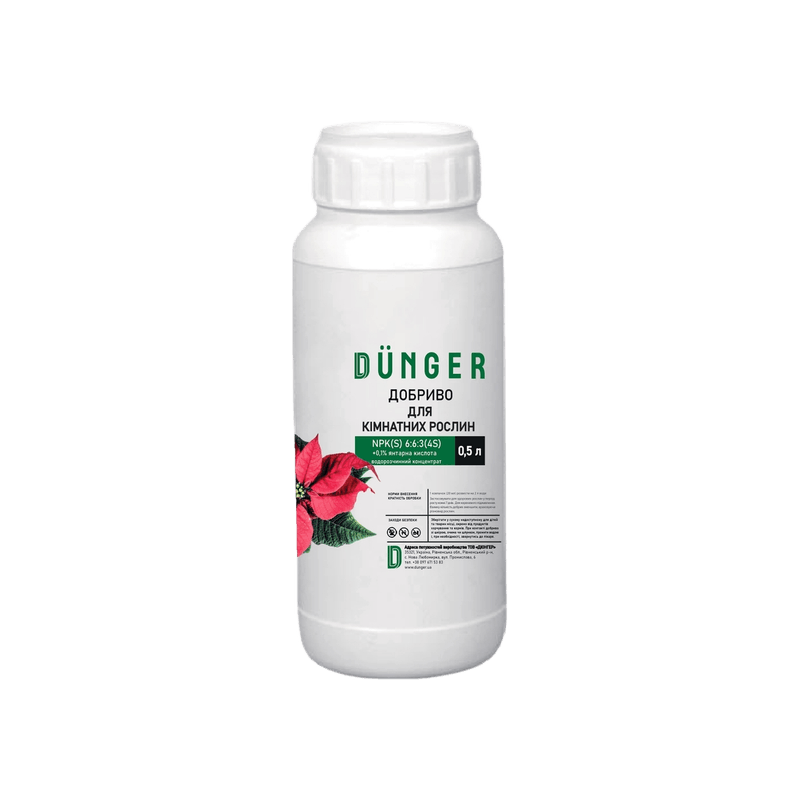
Complex fertilizer for house plants
This concentrate is an option for separate root feeding when a healthy dracaena is growing. Check the plant and the new mix first. If it already contains a fertilizer, take account of the restriction in the directions.
It is used for healthy plants during the growing period every 7 days. Dilute 20 ml of concentrate (1 cap) in 2 liters of water, feed the plant after watering, taking into account the size and age. In winter, reduce the concentration of fertilizer.
Do not exceed the recommended doses of fertilizer, as this can lead to injury or death of plants. Do not use with other fertilizers. Under no circumstances should plants be fertilized when the soil is dry.
The 0.5 L bottle holds concentrate for dilution. The pack volume is for the concentrate itself. Check the full name before ordering and confirm that root feeding is the method you need.
Frequently asked questions
If there are no holes, use it as a cover. Keep the plant in an inner pot that drains, and empty the collected water after watering.
A layer of stones does not give water an exit. Use a container with open drainage holes and a suitable potting mix.
Check what the mix already contains and allow the plant to settle. Use the applicable instructions for a healthy growing dracaena when a separate feed is needed.
Compare it with the root ball. If the roots occupy little of the mix and it takes a long time to dry, inspect the size and drainage.


