


Chlorosis is paling or yellowing of leaf tissue because there is too little chlorophyll. The term describes what you can see. It does not identify what happened. Yellow tissue between green veins on the youngest leaves can point toward inadequate iron uptake, yet high soil pH, wet roots, cold soil and damaged roots can leave much the same impression. Before buying anything, check which leaves changed, where the plant stands and what has changed around it.
Compare new growth with older leaves
Look at a growing tip, then at older leaves closer to the base of the shoot. Note which became pale first. Look at the veins and the tissue between them. Is the colour change uniform? Is it confined to a few separate spots? Look for dry edges, holes or a change in the stems. Photograph the whole plant and a representative leaf in natural light. With both views it is easier to describe whether the problem follows leaf age, one branch or a part of the planting.
Interveinal yellowing on the newest leaves is compatible with inadequate iron uptake. The pattern does not tell you whether the soil lacks iron or whether the roots cannot take it up. If older leaves changed first or the yellowing is uniform, avoid assigning the same cause automatically. Other nutrient problems can also change leaf colour. Leaf age and the pattern are useful clues to put alongside a closer inspection of the site.
Check water and air around the roots
In a garden bed, compare the soil near the affected plant with soil in a healthy section nearby. Check the route of water from a downpipe or irrigation line, look for puddles after rain and note whether traffic or building work has compacted the soil. Roots need air. When the ground stays saturated, low oxygen can interfere with root function and nutrient uptake even where the soil contains enough of the element.
In a container, check whether the outlet is blocked or an outer pot holds water after watering. Empty standing water and note how long the potting mix stays wet. Think back to repotting or any work that may have disturbed the roots. A plant in a persistently wet container can turn pale while another with the same light stays green. Compare the two pots before changing their feed. An extra application will not unblock the outlet or restore oxygen to saturated soil.
After cool rain in a Ukrainian garden, soil beside a north-facing wall may stay wet while the bed beside a sunny path has already begun to dry. A greenhouse and an outdoor bed can also respond differently to the same weather. Inspect the actual moisture and growth stage, especially around spring cool spells or periods of heavy rain. If the same low section develops symptoms each time water accumulates, record the pattern and check where the water can leave.
Separate missing nutrients from poor availability
Iron can be present in the soil and still be difficult for roots to obtain, especially in alkaline conditions. A reaction that suits one plant may not suit another. Do not acidify a bed on the evidence of one yellow leaf. If the symptom persists, discuss a pH test and relevant nutrient tests with a local laboratory. Tell them which plant is affected. A specialist may also suggest a leaf sample, so ask which leaves to collect and when.
Keep a sample from the low affected area separate from soil in a healthy raised bed. Label the locations and mention recent fertilizer, compost or soil additions. Ground near a new path or an area filled with imported soil may behave differently from an old bed. The guide to assessing soil before choosing a fertilizer explains why separating garden zones helps make results useful. Use the result to decide whether to adjust growing conditions or compare a product with the confirmed nutrient need.
Use the pattern in the planting to decide what to check next
One shrub has changed colour
If one shrub in a hollow has become pale, compare it with the same species higher up. Start with the moisture and root zone. If a hydrangea has yellowing between veins on its young leaves and the symptom continues, look at pH and the crop-specific checks in the guide to yellowing leaves on hydrangeas. Similar-looking leaves on unrelated plants are not a reason to give them the same treatment.
Several plants in one row have changed
If the change follows a drip line or appears only at the end of a row, check whether irrigation reaches all plants evenly and whether their soil is comparable. For a tomato, record when the colour first changed and whether you also see spots or poor growth. See the separate guide to tomato chlorosis for those crop-specific details. Keep the species and previous applications in your notes, because they affect what you should ask a laboratory to check.
Respond to the cause and monitor new growth
Where roots are staying wet, start with drainage and the watering routine. If a test shows a pH problem, ask what adjustment is suitable for the particular plant and soil. If a nutrient shortage is confirmed, check that a product contains the required nutrient and that its method fits the plant and stage. Compare a compound fertilizer only if the recommendation supports that composition. Do not rely on a general fertilizer to solve a confirmed single-element problem unless its composition and directions match the need.
Record which condition you changed and where. On the next inspection, compare new leaves with the ones in your earlier photographs. A previously damaged leaf may be a poor measure of current conditions. If the symptoms spread, stems wilt or growth declines despite a change in care, take the photographs, test results and irrigation record to someone who can diagnose the plant. Repeating an application on the strength of an unchanged old leaf can make it harder to tell what helped.
Give the laboratory context for each sample
Record the species and, if known, cultivar, age of affected leaves, planting position and recent changes. A soil test and a tissue test answer different questions. Ask for the laboratory's instructions about the material and the age of leaves, and keep healthy and affected samples separately labelled. A comparison is easier to interpret when the plants and sampling stages are comparable.
Consider two pots with a similar pale pattern. One stands in water after each irrigation. The other drains freely, but the potting mix was just changed. First inspect drainage in the wet pot. For the other pot, record the mix and ask if its pH should be checked. That difference matters more than buying one product for both plants.
Feeding for hydrangeas, azaleas and rhododendrons
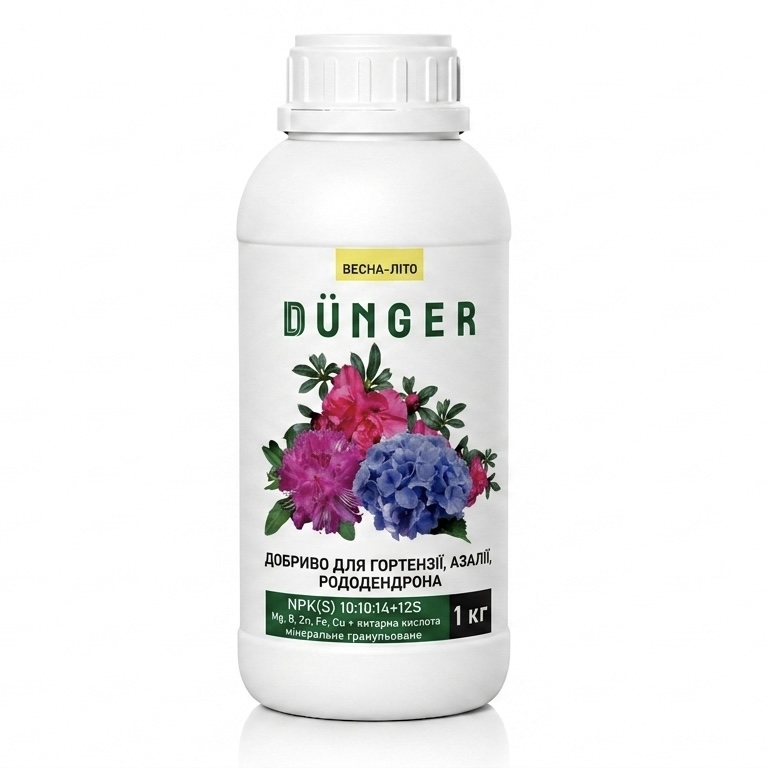
Complex fertilizer for hydrangea, rhododendron, azalea granular
Consider these granules for the listed shrubs only when additional compound nutrition is needed and the ingredients match the recommendation. If testing indicates a need for one specific element, choose a product that supplies it. Yellowing alone does not establish a need for this fertilizer. Iron is not listed in the composition of these granules.
Choose a pack from the shrubs that actually need feeding and the full product instructions. If the cause is excess water or soil pH, address that issue first.
Common questions about chlorosis
No. Look at the age of affected leaves, the overall pattern, root conditions, temperature and soil pH. The appearance can guide the next check, but it cannot replace a test or diagnosis.
Check moisture where the roots are growing. More water in an already wet bed can make conditions for uptake worse. In dry soil, consider watering according to the plant and how quickly the soil takes it in.
Consider the product only for crops listed in its instructions and a demonstrated need for additional nutrition. Standing water, root injury or an identified need for a specific element calls for a decision based on that cause.
Separate plants by crop, symptoms and soil conditions. A confirmed need in one hydrangea does not decide what to apply to tomatoes or a tree elsewhere in the garden. Check each group before choosing what to buy.


