


Plant courgettes outdoors after the risk of frost has passed and the soil has warmed sufficiently for this tender crop. One warm afternoon is not enough. Check the night forecast, the bed and the condition of your young plants. Direct sowing and transplanting need different preparation, but neither allows you to bypass cold soil.
Check the crop and its growth habit
Courgettes, also called zucchini, are summer forms of Cucurbita pepo, usually harvested while young. Do not automatically copy the timetable for winter squash or cucumbers. Check the variety or hybrid name, its intended use and outdoor recommendations when buying. Fruit colour does not tell you how much room the mature plant will need.
Some varieties are bushy; others spread further. Allocate space using the actual variety description rather than the size of a small plant in a pot. Leave access for watering and picking, allowing for neighbouring vegetables and mature leaves. A sensible number of plants is better than a crowded bed that cannot be reached without damaging stems.
Let local conditions determine the timing
Southern Ukraine, central districts, Polissia and foothill areas differ in soil warming and returning cold. A hollow may remain colder than a sheltered slope within the same locality. A calendar month is therefore a planning aid, rather than permission to plant. Decide from your local conditions instead of treating one average date as suitable throughout the country.
Check soil temperature where the seed or root ball will sit. A reading over sun-heated paving or under a roof does not describe the bed. Compare conditions over several days with the night forecast. If the ground is cold and wet, wait. Seeds and purchased transplants do not gain an advantage simply from being moved outside earlier.
Choose between direct sowing and transplants
Direct sowing avoids moving the roots. It is useful when the bed is ready and warm, with enough suitable season remaining for your variety. Check the seed's condition, expiry information and supplier's instructions. Do not copy depth, spacing or preparation from a different packet. These should suit the actual seed and soil conditions.
Transplants let you start under protection, but need sufficient light, space and careful handling. Do not start excessively early when planting conditions remain distant. A large stretched plant is not automatically better than a compact one. Buying a pot does not mean that the garden bed is ready to receive it that day.
Inspect young plants before buying
Look for intact stems, healthy foliage and a root ball that can be moved without falling apart. Examine the stem base and potting-medium moisture. Do not choose solely by the largest leaf when a plant is unstable, damaged at its base or standing in water. Keep the variety identification for later care and space planning.
Ask whether the plants have been hardened off and how they were grown. A plant from a warm room is not immediately ready for wind and direct sun. Buy only the number you can accommodate and water. If planting is delayed, provide a bright protected position rather than leaving pots in a dark bag or a closed, hot vehicle.
Harden off gradually
Introduce plants progressively to outdoor light and air, adjusting their exposure to the weather. Begin in shelter, rather than midday sun and strong wind. Return them to suitable protection during dangerous cold. Hardening off does not make courgettes frost-hardy, so continue checking the forecast before moving them permanently into the bed.
Watch pot moisture: the medium can dry differently outside. Do not try to strengthen plants by prolonged drying or concentrated fertilizer. If leaves lose their firmness, inspect moisture and conditions instead of rushing weakened plants into the ground. The root ball should be suitably developed and able to stay together during planting.
Prepare a warm, well-drained bed
Choose sunshine and soil that retains moisture without remaining waterlogged. Resolve drainage before planting. A deep wet hollow does not become suitable simply through extra nutrition. Use the guide to assessing soil before feeding to review its condition and previous inputs, including any compost or fertilizer already incorporated.
A prepared fertile bed does not automatically need several additional products. Keep fresh manure away from the roots and avoid combining fertilizers as a starter treatment. Mature compost, potting medium and concentrated fertilizer are different materials. Where feeding is needed, use an appropriate crop group and the product's own directions rather than a general home-made recipe.
A vegetable-group fertilizer when needed
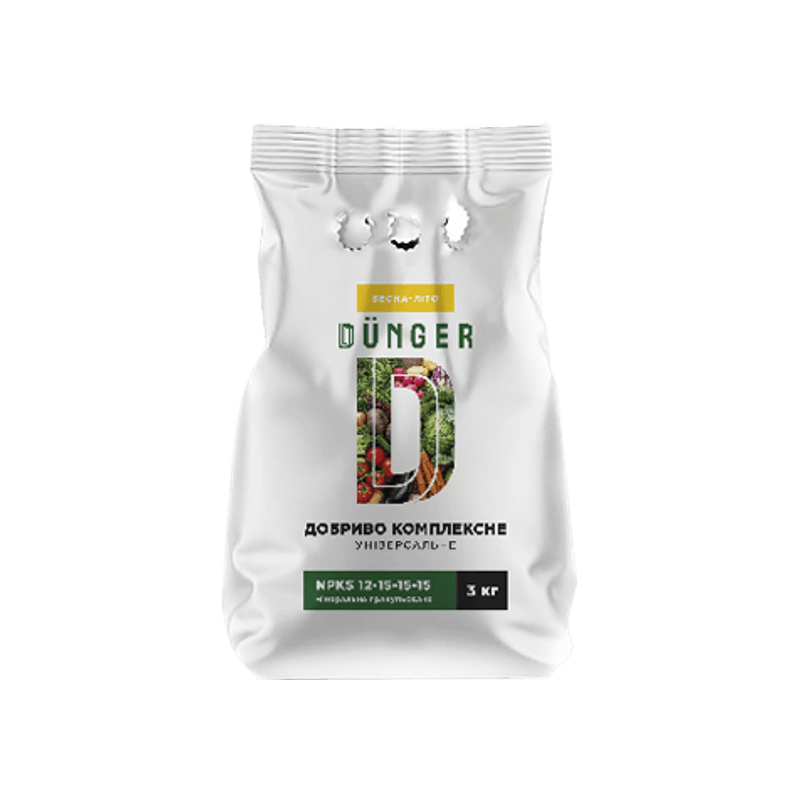
Complex fertilizer universal granular
Courgettes belong to the vegetable group covered by this granular product. Consider earlier soil preparation and select the appropriate method from its instructions. Do not add the separate methods together. Nutrition does not replace warmth or careful transplanting.
Packs are 3 and 5 kg bags and a 4 kg canister; all contain granules. Confirm the selected pack price and delivery. In My Garden, set the zone, crop and measurements for a product plan.
Move the root ball carefully
Mark planting positions according to your variety, and have holes and water ready. Remove each plant carefully, supporting its root ball rather than pulling the stem or leaves. Do not shake off the medium or untangle roots simply because you do so with other plants. Follow the supplier's planting guidance instead of inventing one universal planting depth.
Firm the surrounding soil gently and water to establish contact between the root ball and the bed. Check that water reaches the original medium rather than running past it. Decide subsequent watering from moisture, rain and soil type. Standing water at the stem base is undesirable, as is a dry pot-shaped root ball hidden inside an otherwise moist bed.
Manage covers and the first checks
Temporary covers can change conditions around young plants, but require checks for heat, secure fixing and ventilation. They cannot guarantee protection against every frost. Consider pollinator access when flowering starts: a closed cover can exclude insects. Inspect young leaves and stem bases for damage without prescribing a treatment before identifying the cause.
After planting, assess new growth and soil conditions rather than expecting an immediate crop. Do not add fertilizer to every watering or try to compensate for cold with nutrients. When planning other tender vegetables, see choosing a cucumber planting time, while retaining courgettes' own variety and space requirements.
Plan the purchase before planting day
List the variety, plant or seed quantity, available space, watering access and temporary protection. Decide where to keep transplants if the weather changes. Buying everything together should not force you to plant into unsuitable conditions. Ask the supplier about your actual planting material instead of copying directions for another vegetable.
Choose nutrition for neighbouring beds separately in the vegetable fertilizer range. Check the full name, form and pack before ordering. Where the bed is already supplied, reserve a purchase for an identified need rather than an automatic application after transplanting. This keeps the quantity consistent with the actual area and makes early care easier to manage.
Questions about planting courgettes
A warm week does not rule out returning frost. Check local night forecasts and the soil itself. Delay planting if the bed remains cold or dangerous cooling is expected, even when you have already bought the plants.
Direct sowing avoids transplant damage; ready-grown plants need hardening off and an intact root ball. Choose according to the site, your ability to keep plants before planting and the variety's requirements. Both approaches still need suitable warmth.
No. Follow the specific packet's directions, especially with pretreated seed. Do not apply a home-made solution or the same soaking routine to different batches without a direct recommendation from their supplier.
Not automatically. Consider soil fertility, compost and earlier inputs. Where fertilizer is needed, follow its own method and rate without adding separate application schemes together. Extra fertilizer does not protect the roots against cold soil.


