


Tuberose needs warmth, a bright position, well-drained growing conditions and seasonal protection from frost. Check the plant name first: this is Polianthes tuberosa, also known as Agave amica. It has strap-like leaves and scented flowers on a tall stem. In a Ukrainian garden, plan the summer position and the later move into protected storage before growth begins.
Check the planting material before buying
Ask for the botanical name, cultivar and condition of the material supplied. Tuberose is not an ordinary rose or a true lily, and the word bulb alone is insufficient identification. Its underground storage organ is often called a bulb or tuber in trade. What matters for care is sound living material and the supplier's instructions for that material, rather than resemblance to another flowering plant.
Ask whether you are buying a large plant prepared for flowering or a small offset intended for growing on. Those purchases do not create the same expectation for the first season. A cultivar name helps identify flower form but does not guarantee flowering time in your garden. Retain the label and receiving information so these details remain available after planting.
Choose a bed or a movable container
A garden bed needs a sunny sheltered position without standing water after rain. A container makes positioning and moving away from cold easier, but requires attention to heating, drying and drainage. A pot without free water escape does not solve wet-root problems. Avoid choosing a low hollow simply because its flowers would be visible from the house.
Prepare the place to which you could move the pot during a cold forecast. Consider its weight after watering and the height of the future flower spike. If moving will be difficult, test the route before growth starts. For a bed, plan how to recover the planting material later without damaging neighbouring perennials or losing small offsets in the soil.
Let actual spring conditions determine the start
Do not transfer the outdoor planting calendar of hardy bulbs to tuberose. Suitable warmth and frost protection are required. Starting in a protected position and placing plants outdoors are separate stages. If tender new growth has already developed, exposure to cold wind and a sudden environmental change need a careful transition following the supplier's guidance.
A warm wall, an open plot and a cold hollow in Ukraine do not warm at the same pace. A frost forecast still matters after several warm days. There is no universal outdoor planting date for every position. If the ground remains cold and wet, reconsider the plan instead of treating the appearance of a shoot as permission to move the plant outside immediately.
Inspect and prepare for planting
Unpack the material and inspect its base. Distinctly soft tissue, an unpleasant smell and wet damage call for clarification rather than extra watering. Lack of leaves on dormant material does not itself prove that it is dead. If a delivery is doubtful, photograph it and contact the seller before mixing it with healthy plants or losing its identifying label.
Check planting depth and spacing against instructions for the particular material. Do not borrow them from lilies or rain lilies. In a container, provide root space and a freely draining medium. Position a cultivar label without crowding the plant base. Identifying several cultivars is easier now than after pots have been moved around the garden during summer.
Water according to soil and growth
Once growth begins, assess moisture near the root zone rather than relying only on the dry surface. Tuberose needs water during active growth, while persistent wetness creates a risk of rot. Allow excess water to leave. Check a saucer after rain or watering: a pot can look freely drained from above while its base stands in water.
An exposed container may dry faster than a bed during heat, while cool rainy weather changes the comparison. Avoid maintaining one watering interval through the entire year. If leaves wilt over wet soil, investigate drainage and the base first. Another dose of water or fertilizer does not replace finding the cause of that combination of symptoms.
Care for the developing flower stem
Keep light and space available as the flower stem rises. In an exposed position, assess whether gentle support is needed without constricting the stem. Move a pot by supporting the container rather than pulling the foliage. Choose a position where the scented flowers can be enjoyed and inspected without repeatedly rearranging the plant during opening.
Do not promise flowering for a particular celebration on the strength of a packaging photograph. Planting-material condition and the season both influence the outcome. Where leaves develop without a spike, check the material's size and history, warmth, light and care. Increasing fertilizer blindly is not a verified way to force a small offset into flower.
Separate feeding from correcting the environment
Decide on fertilizer from soil or medium condition, earlier nutrition and the active growth stage. A newly purchased growing medium may already contain nutrients, so check its packaging. For a garden bed with an unknown history, use the soil assessment before fertilizing. A flower rate does not automatically need adding to every existing programme.
Where poor growth results from cold or a wet base, correct those conditions first. Feeding is for an established nutritional need at an appropriate growing stage. Do not turn a granular product into a homemade solution or borrow a schedule from another formulation. For containers and beds, check the actual units specified in the selected product's instructions.
Keep green foliage after flowering
The end of flowering is not an instruction to cut down the entire plant immediately. Retain healthy green leaves until their natural seasonal decline. As leaves gradually yellow, reconsider watering in relation to dormancy. If they yellow suddenly over wet soil during active growth, investigate the problem rather than describing it as normal end-of-season behaviour.
Distinguish flower condition, foliage and underground material in your inspection. A finished spike does not show that roots no longer need attention. A seasonal plant should not receive the same water all year because it is indoors. The potted lily care guide offers a comparison with another crop, but its planting and winter rules must not be transferred to tuberose.
Arrange frost-free storage in advance
Do not leave tuberose outdoors through a Ukrainian winter under a general rule for hardy perennials. Prepare a protected place and a storage method appropriate to the supplied material. A retained pot and lifted storage organs may need different handling. Avoid waiting for frost damage before looking for a place to move the plant.
Inspect stored material rather than leaving suspiciously wet pieces enclosed together. Offsets can be used for propagation, but their size and flowering readiness differ from mature material. Plan division at an appropriate stage while preserving healthy tissue. Ask the supplier for the specific regime instead of combining temperatures from incompatible recommendations for different storage methods.
Make the following season easier to organise
Keep the cultivar label with its planting material through storage. Record whether each group consists of larger material or small offsets so that expectations remain realistic at the next start. Plan the growing position, containers and route to shelter together. A sunny bed is only one part of the arrangement when the plant also needs protected seasonal handling.
Nutrition for a flowering area during growth
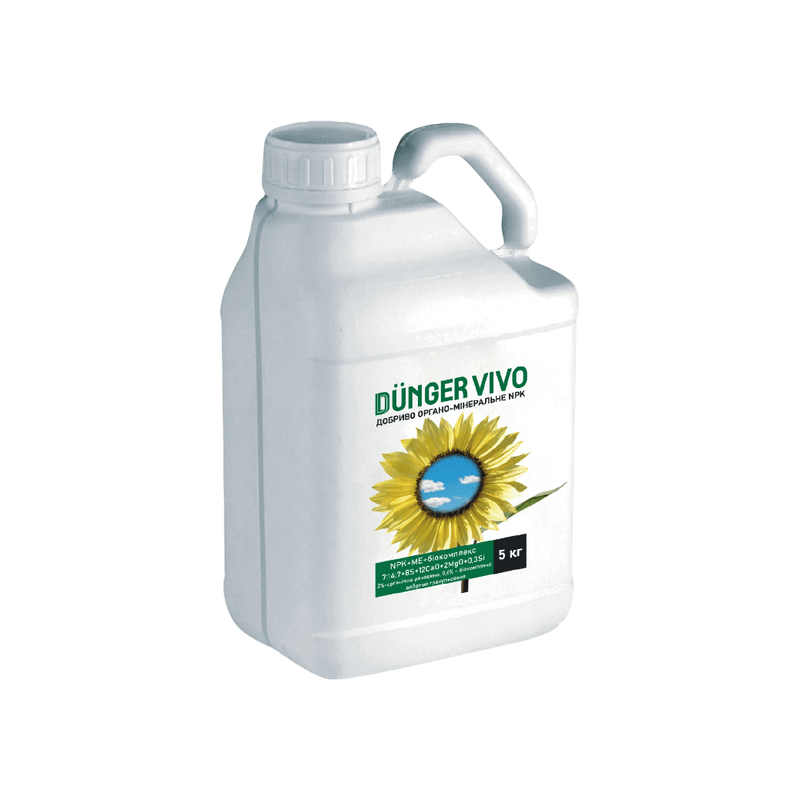
Organic-mineral fertilizer “DÜNGER VIVO” granulated
If soil or medium assessment and earlier inputs identify a need, consider DÜNGER VIVO using the flowering and ornamental plant group. In the full instructions, distinguish area-based and per-plant options, the eligible stage and application method. Choose the suitable calculation for your bed or container. Do not add alternative rates together or feed dormant material merely to pursue an expected flowering date.
The product comes in a 5 kg pack. Before buying, count only plants or areas with an established need and account for a previously fertilized medium. Check the exact instructions and do not transfer a liquid programme to granules. My Garden can hold a zone, crop, measurements and product plan. Keep the tuberose cultivar and seasonal moving arrangements in your own records separately.
Questions about tuberose
For a Ukrainian garden, plan frost-free moving or storage. A warm summer location does not establish winter hardiness outdoors. Clarify the method for your material before cold arrives, taking account of whether it is in a container or the ground.
Check planting-material size and history, light, warmth and root condition. A small offset may need growing on. Do not establish fertilizer deficiency from a missing flower spike alone or increase the dose without assessing the situation.
Retain healthy green foliage until its natural seasonal decline. Gradual dormancy and sudden yellowing during active growth are different situations. Check water and the plant base where the change appears premature.


