


Rain lilies can grow outdoors during the warm season, but in a Ukrainian garden plan their return to protection first. A movable container is usually convenient. Seasonal bedding is another option if you know the plant and can lift the bulbs in time. Do not choose a permanent position from a flower photograph or an account of overwintering in another country.
Which rain lily are you buying?
Zephyranthes belongs to the amaryllis family. It should not be confused with true lilies or tuberose despite overlapping everyday names. Narrow basal leaves form tufts, with individual flowers on slender stalks. The botanical name matters: do not manage an unidentified rain lily using instructions for any other bulbous plant.
Common examples include white Zephyranthes candida and pink Z. minuta, also sold as Z. grandiflora. They need not retain foliage or flower in exactly the same months. Ask the supplier about an unidentified hybrid. If you also grow a true lily in a pot, keep that advice for Lilium. A similar flower does not make the plants interchangeable.
A container or a seasonal bed?
A pot gives control over position, rainfall and autumn movement. Choose one with open drainage holes. A decorative outer container without an outlet is not a planting pot. Check that the inner pot does not stand in water after rain. Place it where you can inspect the growing medium and remove the plant without dismantling the entire display.
In a bed, plan how you will locate and lift the bulbs later. Mark the group and avoid planting between perennial roots that must then be disturbed in autumn. A hollow retaining water is unsuitable simply because the plant is called a rain lily. Where drainage and cold protection are difficult to manage, a container makes the work easier without diminishing the display.
When to move it outdoors
Wait until frost danger has passed and conditions suit the particular species. Daytime warmth on an indoor windowsill does not represent garden nights. A sheltered Ukrainian courtyard and an open site may respond differently to the same forecast. In spring, keep the option of bringing the pot back under protection if cold returns.
Acclimatise indoor-grown foliage gradually to outdoor sun and wind. Avoid placing tender leaves on hot paving for an entire day immediately. Start in shelter and watch the leaves and medium. Protection from the hottest afternoon sun may help during extreme heat. That does not make a permanently dark corner a good flowering position.
Planting without one depth for every bulb
Buy firm, healthy bulbs without wet, soft areas. Keep suspiciously rotting material separate from healthy stock. Obtain planting-depth advice for the actual species and material. A recommendation for one Zephyranthes or for cultivation under glass does not automatically fit another species in an open bed. Guessing is particularly unhelpful for an unnamed bulb mixture.
The medium should drain excess water while retaining useful moisture. Do not pack the pot with heavy compacted soil. See choosing soil for flowers for the distinction between container and bed materials. Leave room for watering. Bulbs may grow in a close group, but should not be pressed against each other; crowd tolerance does not remove the need to inspect roots and growing medium.
Watering a rain lily
The name relates to flowering flushes following rain in its native conditions. It does not mean a pot should stand in a swamp. Check moisture during growth and allow drainage. Do not impose prolonged drought followed by flooding in pursuit of flowers. Rain lilies can flower without that treatment, while damaged roots will not deliver the hoped-for result.
After heavy rain, inspect the saucer and outer container. After hot, windy weather, check the medium itself: humid air does not prove that a small pot is moist. A container in the open Ukrainian Steppe can dry faster than one in a sheltered Forest-Steppe courtyard. Actual moisture, weather and foliage determine attention, rather than one daily reminder. Dormant bulbs do not require the same watering as an actively leafy group.
What to expect from flowers
A single flower is short-lived. Several seasonal flushes are not a promise of an uninterrupted carpet. A new planting may need time to settle into its rhythm. Check light, foliage, roots and identity before searching for a flowering stimulant. Today's lack of a flower does not establish a particular nutrient deficiency or justify increasing the rate.
Remove a faded flower if seed is not wanted. Do not cut healthy green foliage simply to tidy the pot after its first flush: those leaves support the bulb. Compare yellowing with the species' natural rhythm, moisture and basal condition. Spots, wet tissue and an unusual smell require examination rather than automatic feeding.
Feeding at the appropriate flowering-plant stage
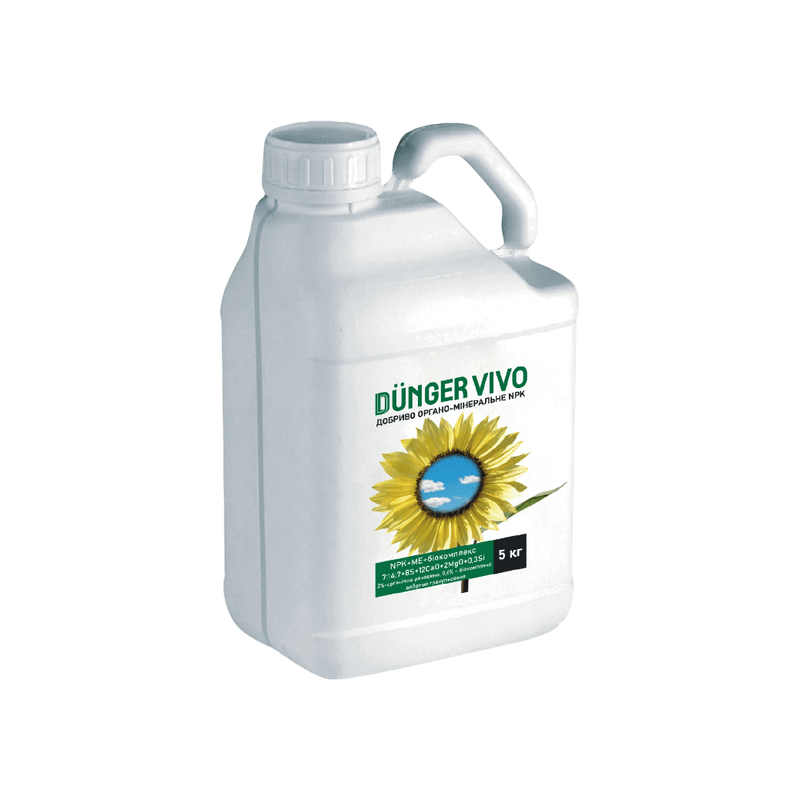
Organic-mineral fertilizer “DÜNGER VIVO” granulated
For a healthy rain lily as a flowering plant with a verified composition-matching need, consider DÜNGER VIVO. Its flower instruction combines spring with the beginning of active growth. Do not extend it to autumn storage, dormant bulbs or any flowering flush. The quoted row is the flowering-plant group, not a bespoke Zephyranthes recipe. Follow the complete method and count nutrients already in the medium.
VIVO comes as 5 kg of granules. Choose area or plant counting as appropriate; do not add both. Clarify counting for a dense bulb group and save its zone in My Garden. Buy for actual eligible needs rather than trying to use up the pack.
Flowering and ornamental plants
10-20 g/m² or 1-2 g/plant for flowers in containers or flower beds in spring and at the beginning of active vegetation
Autumn protection and winter condition
Prepare protection before frost. Do not test hardiness by risking a valued group. Move the container to a suitable frost-free place, inspect for pests and check that water is not trapped in the outer pot. Keep its name and previous conditions recorded. One successful outdoor winter does not guarantee another on the same site.
Subsequent watering depends on whether foliage persists and whether the plant is growing. Rest requires much less water than active summer growth, without allowing bulbs to become completely desiccated. Species, temperature and storage method matter. If lifting bulbs from a bed, confirm storage for your rain lily instead of borrowing a regime for tulips or gladioli.
A practical plan for a small group
Record species, bulb number, container size, outdoor date and winter destination. Arrange watering while away and somebody able to move the pot during a cold warning. Plan outdoor begonias and other seasonal plants separately: sharing a display does not give them the same rest period or care requirements. Rain lily bulbs are not edible. Wear gloves and keep planting material separate from food.
Before purchasing more bulbs, review the space available under cover. Several small pots are easy to buy but can become difficult to accommodate together when autumn weather changes. Retain their labels and leave access for inspecting each group. If a plant's name has been lost, a clear flower and foliage record helps the supplier clarify its identity. Do not use that uncertainty as a reason to try an outdoor winter or force dormancy on still-growing foliage.
Frequently asked questions
Do not assume this for an unidentified species in Ukraine. Prepare frost-free protection or a suitable storage method. An overseas hardiness-zone number is not a guarantee for your planting.
No. Avoid dangerous water stress because of the name rain lily. Provide appropriate moisture and drainage during growth, and assess rest from the species and actual conditions.
Compare growth stage, light, bulb and root condition. Species have their own rhythms and new plantings need time. An extra fertiliser dose does not guarantee immediate flowering.


