


A potted lily needs light, moisture without waterlogging and green foliage retained after flowering. First check its name: this guide concerns true lilies in the genus Lilium. They are seasonal bulbous plants rather than houseplants kept in identical warmth all year. Bulb condition, a suitable dormant phase and the winter requirements of the particular species or hybrid matter when planning the next season.
Which plant is being sold as an indoor lily?
Several unrelated plants can be called lilies in everyday use. Hippeastrum, Eucharis and Spathiphyllum are not the same plants as Lilium. Do not transfer planting depth, pruning and dormancy instructions between them. Find the botanical name on the label or ask the supplier. A photograph of the complete shoot, leaves and flower helps more than petal colour alone. The correct identity is the starting point for useful care, rather than a small detail after purchase.
True lilies grow from bulbs, and compact hybrids are often chosen for pots. Flowering plants may have been prepared for sale under controlled conditions, so purchase month need not match their natural garden season. If your plant has a white sail-like spathe above its leaves, check the guide to peace lily care. Identify an unfamiliar pot plant before choosing its care. A shared common name or one fertilizer cannot make separate plant genera follow the same annual cycle.
Inspect the plant and its container
Look at both leaf surfaces, the stem base and the growing medium. Overall health and the absence of visible pests matter more than having the largest open flower. Buds at different stages help you assess the complete shoot. Keep the cultivar label if you intend to save the bulb after its display. Ask about hardiness and further outdoor growing in your Ukrainian region before buying. This avoids discovering only after flowering that the next stage needs conditions you cannot provide.
Protect the pot during the journey from shop to home in cold weather. On arrival, remove transport wrapping and inspect the inner container. Decorative foil and sleeves can trap drainage. An outer pot should not become a reservoir in which the growing pot stands. Check that separately from the visible surface of the soil. Easy access to the inner pot also makes later watering more practical and helps prevent accidental water accumulation beneath an otherwise attractive display.
Choose light without overheating the display
Place a purchased flowering lily somewhere bright, away from excessive heat and cold draughts. Keep flowers clear of a hot radiator. Shelter from intense direct sun helps avoid an overheated display position. A dark corner is not suitable merely because it remains cool, however. Assess the actual light reaching the plant rather than relying only on the direction of the window. Nearby buildings, curtains and the distance from glass affect the growing conditions.
The green shoot still needs sufficient light after flowering. Plan a move to a garden or balcony according to identity, weather and gradual adjustment. Do not place a greenhouse-raised plant straight into strong sun or frost. In a heated flat, hot air and cold window glass can create very different conditions over a small distance. Check the position of the pot itself, rather than relying on an average room temperature. A display plant needs a practical growing place after its flowers finish.
Water according to the growing medium
During active growth, keep the medium reasonably moist without saturating it. Feel the mixture and assess pot weight before watering. Moisten it evenly, let excess drain and empty the saucer or outer container. A fixed weekday can remind you to inspect the plant, but does not prove that more water is needed. Pot sizes and room conditions change the drying rate. The relevant question is what the roots are experiencing now.
If the plant droops, avoid adding both water and fertilizer immediately. Establish whether the root ball is dry or still wet. Poor drainage presents a different problem from drying out. Inspect drainage holes, stem base and recent changes of position. A rapid decline or suspected rotting requires assessment rather than a stronger nutrient solution. Leaf spraying is not a replacement for watering the root zone. Check the whole plant instead of responding to one drooping flower alone.
What to remove after flowering
Remove faded flowers while leaving as much healthy stem and green foliage as possible. They continue to support the bulb, so cutting the whole shoot down as soon as the last flower finishes is unhelpful. Remove genuinely dead material separately. The loss of petals does not mean that the entire plant has died. Subsequent care follows the green shoot and seasonal stage, rather than only the end of its decorative display.
Natural foliage dieback marks a different phase. Distinguish that from a sudden collapse of a green shoot in wet compost. Keep the label so you can check the correct winter treatment for the hybrid. Do not try to keep a seasonal lily green at any cost by increasing water and feeding. Equally, do not abandon all care when the last flower falls if the stem remains healthy and green. Observing that distinction helps you make the next decision at the appropriate stage.
Feed only a healthy actively growing pot plant
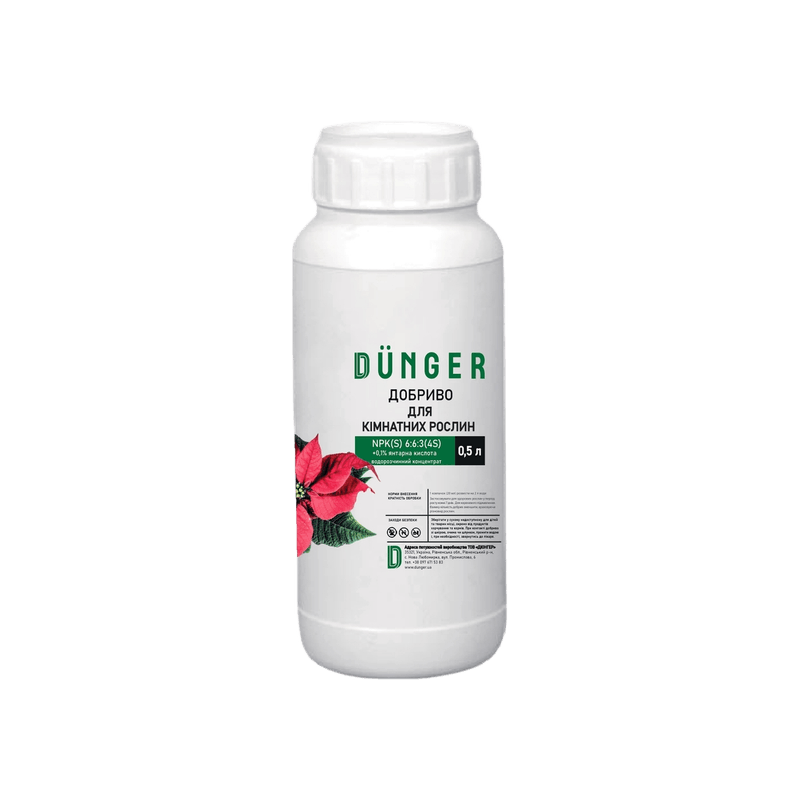
Complex fertilizer for house plants
For a healthy lily grown as an indoor pot plant in active green growth, this root-feeding concentrate is an option. The 0.5 L bottle contains product to dilute. Check fertilizer already included in the growing medium first. A newly purchased flowering display does not automatically need extra fertilizer, and this active-growth programme is not for a dormant bulb.
It is used for healthy plants during the growing period every 7 days. Dilute 20 ml of concentrate (1 cap) in 2 liters of water, feed the plant after watering, taking into account the size and age. In winter, reduce the concentration of fertilizer.
Do not exceed the recommended doses of fertilizer, as this can lead to injury or death of plants. Do not use with other fertilizers. Under no circumstances should plants be fertilized when the soil is dry.
Ask the manufacturer to clarify the unspecified reduced winter concentration instead of inventing a dilution. Read the full product page and compare indoor plant fertilizers. Organize a zone, crop, measurements and chosen product in My Garden.
The pot, repotting and the next growing place
Container growing needs drainage and a suitable medium that releases excess water. Taller types may need support. Planting depth depends on lily species and rooting habit, so do not copy a Hippeastrum with its bulb projecting above the surface. Connect planned repotting to shoot dieback and the appropriate phase of the plant's cycle. Buying an attractive outer pot is not a reason to dismantle a flowering plant immediately. Match a necessary change to an identified problem.
If you want to plant the lily in the garden, establish its identity, hardiness and site requirements. A gift Lilium longiflorum does not automatically overwinter as reliably as a hardy garden hybrid. Even a cultivar hardy in the ground faces different root conditions in a pot. Avoid promising yourself another flush in a named month after transplanting: previous forcing, bulb condition and the local season influence what happens. Saving the label makes this decision more informed than guessing from the flower colour.
Winter conditions in Ukraine
Many lilies need a cool winter phase, so a permanently warm flat is not a universal year-round home for Lilium. For a container, consider a cool ventilated place with protection from damaging frost and waterlogging appropriate to that plant. The exact arrangement depends on species, pot volume and local minima. An unheated balcony is not necessarily frost-free simply because it is glazed. Check actual conditions rather than assuming that any covered space provides suitable winter protection.
Before cold weather, work out whether you can provide an appropriate place for the bulb. A sheltered southern courtyard and an exposed balcony in a colder city differ. In November, assess the current stage of the purchased plant rather than starting your own forcing programme or active feeding because of the date. A rate for a healthy green houseplant is not a watering programme for a dormant bulb. Keep the seasonal decision separate from the product's dilution instructions.
A home with cats needs a different choice
True lilies are dangerous for cats, with risk from plant parts and pollen. If you have a cat, choose another flowering plant instead of Lilium. A high shelf does not reliably remove access. If ingestion or pollen exposure is suspected, contact a veterinarian immediately and avoid home treatment attempts. The plant name or a photograph helps the professional identify it. This applies to the household choice before purchase, as well as to a gift brought into the home.
Frequently asked questions
Keep healthy green foliage and stem while removing the spent flower. Shoot dieback and the end of flowering are different events. Assess the plant's stage before taking the next step.
Not as a universal treatment for Lilium. Many lilies need a cool winter phase. Check the requirements of your species and whether a protected container position without waterlogging is available.
The begonia guide helps compare their differences, but lilies have their own seasonal cycle. Sharing a windowsill does not create identical watering, repotting or dormancy needs.
Find more practical guides in Indoor plants.


