


Feed pelargoniums according to development, root condition and nutrients already present in the growing medium. A healthy plant making leaves and shoots needs a different decision from a pot kept cool for winter. Check light, moisture and previous applications first. More fertilizer does not mean more flowers, and missing buds alone do not prove a shortage of phosphorus or potassium.
Which pelargonium are you growing?
Plants sold as “geraniums” commonly belong to Pelargonium, a different genus from the many hardy perennials called Geranium. Pelargoniums include zonal, ivy-leaved, regal and scented types. Some are grown primarily for aromatic or decorative foliage. Do not compare every plant with a photograph of a completely different group.
Good light matters for most common flowering forms. Regal and some other types differ in their needs, while scorching midday sun through glass also needs consideration. If stems stretch and flowers are sparse, review the position before adding feed. Fertilizer cannot replace light. Identifying the group also helps distinguish normal leaf markings from a presumed deficiency.
Separate active growth from winter storage
Use new leaves, shoots and the healthy plant's overall development as your guide. A plant kept growing in a bright position differs from one deliberately maintained with little growth. Do not automatically continue summer feeding for a plant in near-dormant storage. One calendar month does not describe every windowsill.
A cool enclosed balcony and a warm, poorly lit room in a Ukrainian apartment can produce different conditions. Choose a suitable winter place first, including protection from frost. Warmth alone does not mean a plant is ready for active feeding. The guide to feeding houseplants according to their condition develops the general decision. Assess spring growth resumption separately from the autumn move indoors.
Before returning a pot to an open balcony, wait for conditions without damaging frost risk and acclimate it gradually. Changing light and drying behaviour does not automatically call for a new fertilizer. Check the plant in its new position first. The same root ball may need different watering checks indoors and beside a windy railing even where pot and feed remain unchanged.
Check roots and water behaviour
Lift the pot and examine moisture below the surface. A dry plant may wilt, but a plant with trouble in an excessively wet medium can look similar. Check open drainage holes, standing water in the outer pot and changes in drying after relocation. A more concentrated feed is not the solution to these conditions.
When roots are visible during justified repotting, examine them and the stem base. Spots, rot, serious dieback or pests need separate investigation. Fertilizer is not an infection treatment. If the mix is compacted or unsuitable, investigate its properties first. The guide to soil and mixes for flowers in pots and beds explains why the growing setting matters.
What is already in the new mix?
The bag may identify starter nutrients or fertilizer with a stated period of action. Keep that information when repotting. Do not add another compound automatically over an unknown previous feed. Ask the seller about earlier applications to a purchased flowering plant where possible. Missing information calls for closer assessment, not a double application.
Different granules are not interchangeable. Their action and use depend on the actual product rather than particle shape. Concentrate, prepared solution and granular fertilizer use different measuring units. Do not dissolve granules for watering unless their instructions provide that method, or measure them using another product's cap.
Choose nutrition for the actual task
Compare the full composition and application group with existing nutrition and development stage. Do not search for one “secret” nutrient to solve every absence of flowers. Overfeeding can worsen results. If a plant is healthy but flowering disappoints, review light, type and removal of spent flower heads before trying several feeds in succession.
Do not transfer another balcony plant's programme without checking. The guide to feeding petunias considers that crop's choices and conditions. Sharing an outer planter does not make different plants one crop with identical needs. Where several inner pots stand together, check their root balls and earlier applications separately to avoid feeding one plant twice.
Nutrition at the start of active growth
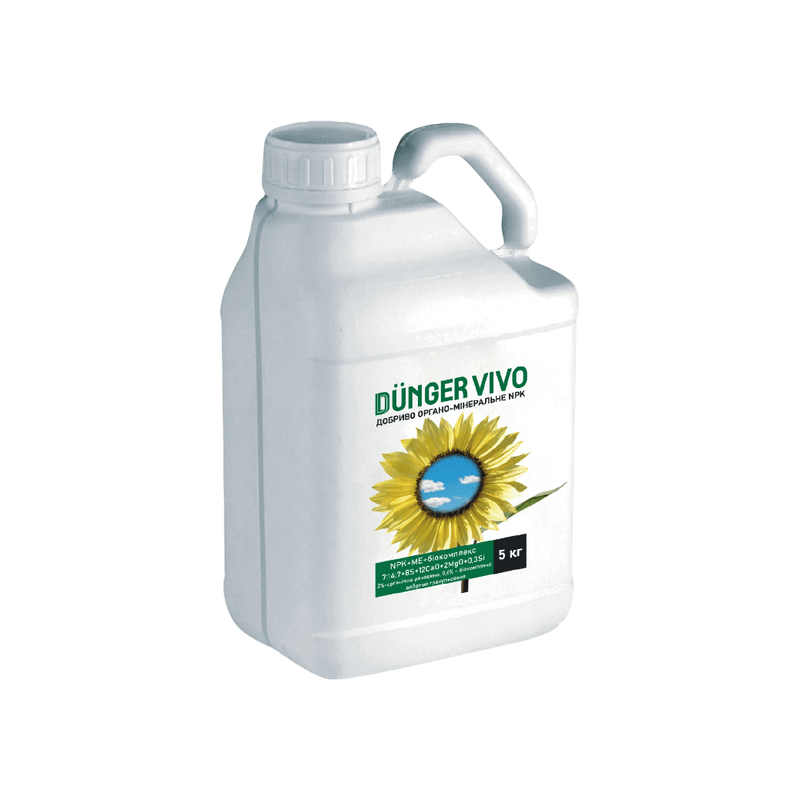
Organic-mineral fertilizer “DÜNGER VIVO” granulated
Where a healthy pelargonium needs this particular composition at the start of active growth, use the flowering and ornamental group. It explicitly includes flowers in containers. Account for existing mix nutrients and earlier feeds; this is not a compulsory purchase for every pot or a flowering guarantee.
The product is supplied in a 5 kg pack. The two rate options are alternatives, not amounts to add together. Calculate only the requirement for eligible plants at the relevant stage. Do not turn this spring/start-of-growth row into a recipe for slowed winter plants or a liquid watering solution.
A sequence for the start of growth
- Assess the plant. Separate healthy development from poor light or root problems.
- Review previous feeding. Check the medium, previous product and any remaining application effect.
- Select one suitable product. Match group, method and permitted period rather than the words “for flowers” alone.
- Measure accurately. Do not add a per-plant calculation to its alternative area-based calculation.
- Observe. Assess new growth and condition rather than repeating because changes are not immediate.
Prepare the next purchase
Count pelargoniums that genuinely need the chosen nutrition at the relevant stage. Do not include stored plants, unrooted cuttings and neighbouring pots merely because they share a shelf. Compare the requirement with material remaining from the previous pack. For a small collection, the pack price matters alongside the amount actually needed for the planned task.
If you also care for purchased flowering pots, do not treat every one like a seasonal pelargonium. A potted chrysanthemum during and after flowering, for example, has a different next stage. Keep plant identity and medium information separately. This makes choosing a suitable product easier without creating unnecessary applications.
Frequently asked questions
Check light, pelargonium type and previous feeding. Excess fertilizer does not guarantee flowers. Signs of root trouble or disease need investigation before another compound feed.
It depends on actual growth and conditions. Do not automatically continue a summer programme for plants in slowed winter storage. If growing in appropriate light, the selected product must still be used according to its own instructions.
Do not combine products at random. Account for existing nutrients and read both instructions. Different forms do not prevent nutrients from adding together. One justified programme is easier to measure accurately.


