


Lisianthus in an outdoor bed needs sufficient light, moisture without waterlogging and support for tall flowering stems. Begin with the cultivar and the condition of rooted transplants. A compact pot variety and a tall cut-flower lisianthus serve different purposes. In Ukrainian gardens, plan it as a seasonal crop rather than relying on winter survival. After planting, the immediate priorities are contact between the root ball and soil, an available water supply and steady establishment.
Identify the lisianthus you are growing
Eustoma and lisianthus refer to the same flower crop. Commercial series differ in height and developmental timing. Bouquets need sufficiently long strong stems, while a compact form may suit the front of a border. Keep the series name, transplant origin and grower's directions. They provide a better basis for judging normal development than an unrelated photograph of flowers. Knowing the intended use also helps you decide whether support and stem management are necessary.
For a ready-flowering plant bought for the home, use the guide to potted lisianthus care. This guide concerns plants growing in an outdoor flower bed. Cut stems in a vase no longer have a root system, so feeding a garden bed is different from caring for a bouquet. Do not add garden fertilizer to vase water merely because the crop name matches. Begin by identifying whether you have transplants, a potted display or already cut flowers.
Choose light and practical access
Select a bright position where taller neighbours will not shade the crop as they develop. In a very hot exposed site, consider protection from harsh afternoon sun and access to water. An open sunny border and an overheated closed tunnel have different conditions. Covered crops need ventilation to prevent excess humidity and condensation. Avoid tightly enclosing flowering plants in film without airflow. Any shelter should serve the plants rather than trapping heat around them.
After rain, check whether water drains away from stem bases. Lisianthus needs available moisture, but saturated confined ground creates a different problem. Decorative mulch cannot correct a low waterlogged position. Assess the bed and the route by which water can leave. The guide to soil for flowers compares growing media for beds and containers. A clear access path also makes it easier to find broken stems or changing foliage before flowers hide them.
Do not leave transplants waiting without suitable care
Lisianthus grows slowly from seed, so good rooted transplants are a practical starting point for a small bed. Arrange delivery when the site is ready. Small trays should not sit on a hot path or remain sealed in packaging. If planting is delayed, ask the nursery about growing them on so roots do not become crowded in tiny cells. Keeping the tray visible and accessible makes moisture checks easier while plans change.
Gradually acclimatise plants from protected production to outdoor light and wind. Choose the planting opportunity using actual weather, transplant condition and their grower's advice. A cool garden and a hot exposed site will not give the same result on one date. Avoid frozen or waterlogged soil. If plants have unexplained cold or water damage, inspect them before adding them to a healthy bed. Do not assume an open flower proves that roots are in good condition.
Retain the root ball and protect the crown
- Check tray moisture so the root ball stays together and is not dry inside.
- Prepare positions using the series guidance, allowing access for support and harvesting.
- Remove the plant while supporting its root ball, rather than pulling its thin top.
- Set it at the appropriate level without burying the crown beneath wet soil.
- Fill gently and water to bring surrounding soil into contact with the ball.
- Check plants over the following days, especially after changes in wind, rain or temperature.
Avoid compacting soil into a hard mass. Assess new growth and the root environment rather than establishment by an open flower alone. A small plug can dry differently from surrounding ground. Water travelling through a crack beside it does not ensure that its centre is moist. Arrange irrigation so this can be checked without repeatedly lifting the plant. The aim is to support growing roots while minimising unnecessary disturbance.
Support stems before they fall
Tall series carry large flowers and buds, so horizontal netting or another suitable support may be necessary. Secure it firmly and guide stems while they grow. Raising netting after shoots are already leaning and tangled is difficult. It should support plants without pinning them down. Assess compact bedding forms separately; the equipment for a tall cutting row is not automatically needed for a short border variety.
After wind or heavy rain, inspect outside rows and fixing points. Avoid tying every stem into one tight bundle. Use a clean tool for broken material instead of tearing at the base. If considering pinching, identify the purpose: additional branches and one long cutting stem are not identical outcomes. Follow the series advice rather than beginning severe shaping while buds are already developing. Support allows you to work between stems without pulling neighbouring plants.
Even moisture does not mean constantly wet flowers
Once plants establish, soil-level watering such as drip irrigation can supply roots without wetting every petal. Check delivery points and account for rain. Avoid prolonged drying, but do not add water to already saturated ground. Water access changes as roots develop. A newly planted plug and an established bed in different weather need separate assessments. Look beneath the surface rather than interpreting a dry-looking upper layer alone.
Rain and condensation droplets can mark flowers, particularly dark petals. Protected production offers different possibilities for clean cut stems from an entirely open border. If adding rain shelter, provide ventilation. Sudden wilting or browning also calls for inspection of bases and roots. Do not identify every mark as infection without investigation, or try to treat it with extra fertilizer. A widespread unexplained decline deserves a diagnosis before another application is considered.
Cutting flowers and assessing further growth
For bouquets, choose a stem with at least one open flower and consider the arrangement you want. Work with clean tools during cooler conditions and place stems promptly in clean water. Avoid pulling one stem through support netting along with its neighbours. Retaining healthy leaves matters if you want to assess further growth instead of removing the whole seasonal row. The condition of remaining stems is more useful than assuming every cut starts an identical new cycle.
Repeat flowering depends on the series, condition and length of the warm season. Do not plan several complete flushes in every Ukrainian garden. Later cold and declining light limit development, and more fertilizer cannot turn lisianthus into a reliably hardy perennial. Remove spent flowers neatly, but do not interpret that step as a promise of another bouquet regardless of weather. Use the season's observations to choose a suitable series and planting plan next time.
Nutrition at the appropriate bed stage
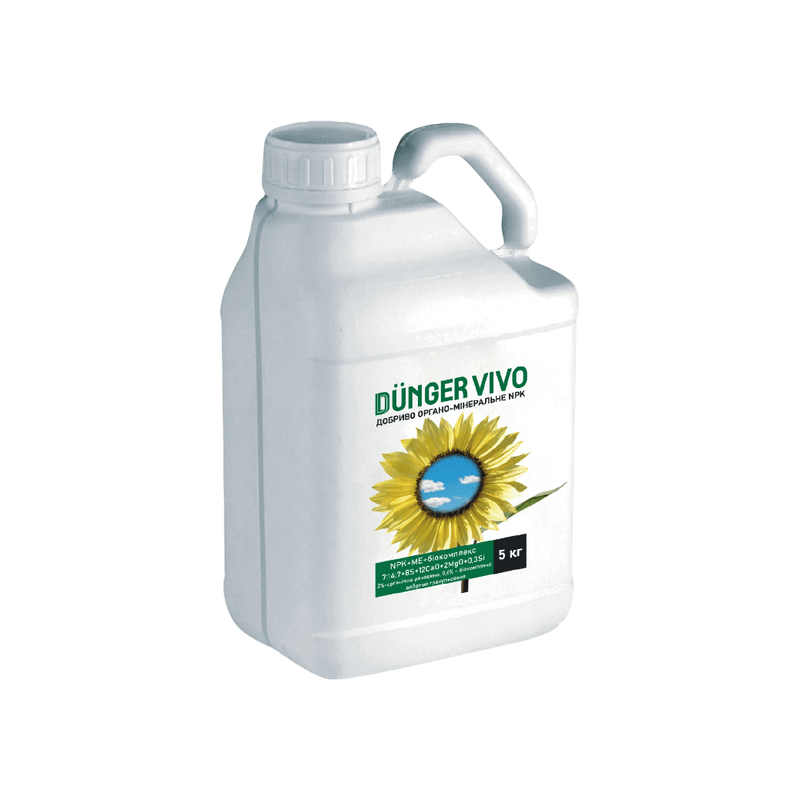
Organic-mineral fertilizer “DÜNGER VIVO” granulated
If soil needs the elements in this composition, the Flowering and ornamental plants group is applicable to lisianthus. Choose the area-based or per-plant option during the stated stage. These are alternative ways to calculate one requirement, not two amounts to add together. Check prior nutrition and soil moisture before applying.
VIVO comes in a 5 kg pack. Calculate the flower-zone requirement before the pack quantity. Do not automatically apply again after every bouquet is cut. My Garden can keep the crop, zone measurements and product plan; track flowering and previous applications separately in your own notes.
Questions about outdoor lisianthus
Both need suitable moisture and drainage, but series determine height, layout and support. A cutting crop also needs a clear stem-management goal and access for harvesting.
In young lisianthus, unsuitable temperature, light and moisture can contribute to rosetting. Check stage, transplant history and series. Extra fertilizer does not establish the cause or guarantee reversal.
Do not rely on lisianthus surviving in an open Ukrainian bed. It is generally treated as a seasonal crop. Survival under mild conditions elsewhere does not prove that your particular site is suitable in winter.


