


Reducing onion bolting starts with suitable planting material and an understanding of its history. No planting trick guarantees that every onion will remain free of flower stalks. Variety, set size and condition, chilling and subsequent weather all matter. Fertilizer does not replace these checks or correct an unknown storage history.
Flowering and bulbing are different processes
Bulb onions have a biennial life cycle: they develop vegetatively before moving towards flowering under suitable conditions. A flower stalk appearing before your intended bulb harvest changes the crop's quality. Distinguish this from ordinary leaf growth and the formation of the bulb itself. A developing flower head is carried at the top of the stalk.
Cold can initiate flowering once a plant reaches a susceptible stage. The planting day is only part of the story; earlier conditions and later weather matter too. Day length influences bulb formation according to variety, but that is different from cold-induced flowering. A later planting date or extra nitrogen cannot be treated as one solution to both processes.
Decide what you want to harvest
Planting material for green onions and for bulbs intended for long storage is assessed differently. Material useful for an early green crop may be a less suitable choice for storage bulbs. Separate these purposes before buying. You can then allocate healthy larger sets deliberately, rather than expecting an identical result from an unsorted mixed batch.
Check that you are buying bulb onions of the required type, rather than another onion grown for leaves or multiplying clumps. Skin colour does not replace a variety name. Ask about planting season, local suitability and keeping quality. Autumn planting needs appropriate material and a separate site decision, explained in planting onions before winter.
Why set size matters
Larger sets are more likely to flower, so bigger is not automatically better when growing storage bulbs. Sort sizes within the same variety. Allocating smaller healthy sets to bulbs and larger ones to greens helps align the intended harvest with the risk. It does not guarantee that every small set will avoid bolting.
Do not replace careful selection with buying the tiniest sets regardless of condition. A shrivelled, soft, mouldy or damaged bulb is not good material simply because its diameter is small. Inspect the base, soundness and batch condition, separating doubtful material. Ask the seller about size grading when it is unspecified; a photograph of large onions cannot establish the sets' suitability.
Ask about the material's history
Sets have already passed through a growing season and storage. Their appearance on sale cannot reveal every earlier temperature exposure. Ask whether the batch was prepared to reduce bolting, how that preparation is identified and what directions the supplier provides. Descriptions such as large and strong do not answer questions about variety, size grade or storage.
Commercially heat-treated sets can reduce the risk, but do not provide complete protection in every situation. Do not attempt to recreate treatment using a radiator, oven or hot-water recipe. The air beside an appliance and the temperature within a bulb differ, and an uncontrolled treatment can damage material. Choose a clearly identified batch and follow its supplier's directions.
Plan storage before planting
Ask how the purchased batch should be kept and how long it can wait before planting. Follow its storage guidance rather than copying conditions for food onions. Check the material and packaging ventilation. Avoid leaving it wet in a closed bag or exposed to uncontrolled changes in conditions while the bed is not yet ready.
Do not start soaking simply because you have an evening free. Preparation needs to be coordinated with suitable subsequent planting. Pretreated sets should not receive extra home-made dips without direct supplier instructions. Knowing when the bed will actually be workable is more useful than having an unknown quantity of soaked material waiting for a planting opportunity.
Would seed solve the problem?
Growing from seed offers variety choice and avoids sets with an unknown storage history. It still requires time, light and suitable transplant production or direct sowing. It does not remove every risk: young plants also develop to stages that respond to chilling. Choose the method you can manage well, rather than treating a different starting material as an absolute guarantee.
Check seed freshness and purpose, or the health and growing conditions of purchased transplants. Compare the required number of plants and their care, not just a seed packet's price against a bag of sets. planting onions in spring explains the broader planting methods. Here, keep variety, size grade and temperature history clearly associated with the batch.
Use a local planting decision
Soil readiness and cold periods differ between southern Ukraine, Polissia, central areas and foothills. Do not assign one calendar date to every batch. Consider variety, season, soil, forecast and supplier guidance. Later planting is not an automatic guarantee either: it changes the available growing period and does not erase the material's earlier history.
Provide light and drainage, and avoid damaging saturated soil when preparing the bed. Maintain suitable moisture and weed carefully after planting. Normal care supports growth, but cannot be described as a way to cancel flowering already initiated. Compare vegetable fertilizers with earlier bed preparation when there is a justified need for nutrition.
Before buying nutrition
Check what has already been applied and over what area. Green onions and storage onions may grow together, but a few flower stalks do not justify feeding the whole plot again. Where nutrition is needed, choose the vegetable group and one appropriate method. Area, row and transplant rates should not be added together.
Explain the crop, planting method, measured area and previous inputs when asking for advice. Mention bolting separately instead of requesting the strongest fertilizer. Check the pack and delivery; having a larger pack at home does not create a need to use it all on the onions.
Onion nutrition according to soil need
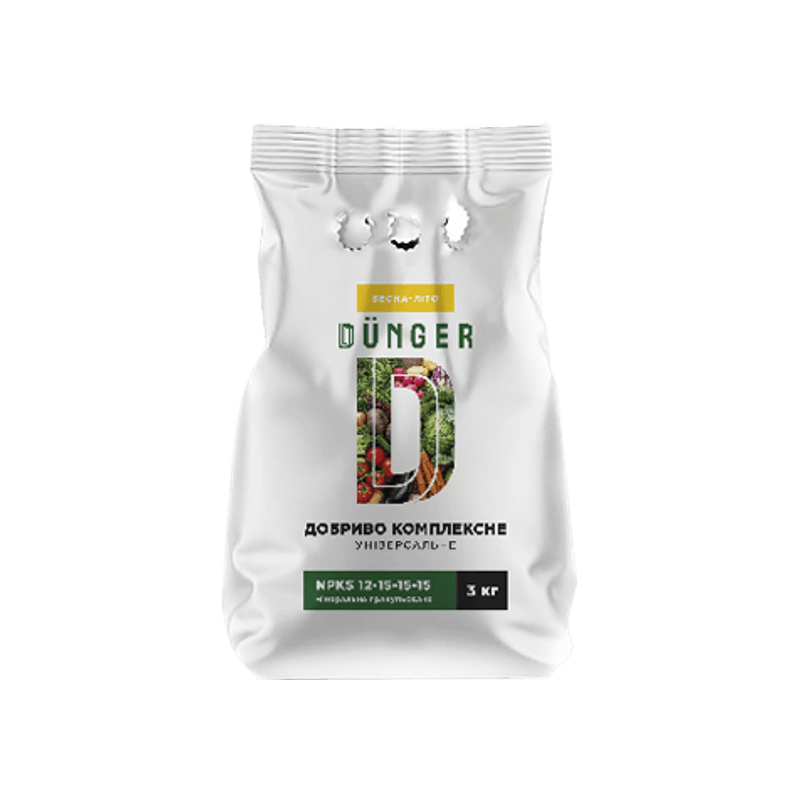
Complex fertilizer universal granular
This universal granular product covers the vegetable group. Use it when feeding is needed and choose the appropriate instructed method. It is not an anti-bolting treatment; do not increase its rate to rescue plants with flower stalks.
Packs are 3 and 5 kg bags and a 4 kg canister, all containing granules. Confirm the selected option price and delivery. Set the zone, crop and measurements in My Garden for a product plan.
What to do when a flower stalk appears
Check for a developing flower bud rather than assuming every new leaf is a stalk. Separate bolting plants from the crop intended for long storage. Earlier harvesting and use are more practical than expecting ordinary keeping quality. Removing the flower stalk does not reliably restore the plant to its previous state or guarantee a normal storage bulb.
For the next purchase, compare which varieties and size grades bolted and under what conditions. Keep these details in your own records with the original packaging. Do not judge all onions from one mixed batch. Change an understandable factor, such as material source or variety suitability, rather than combining several home treatments and extra fertilizers.
Questions about avoiding onion bolting
No, but the risk is higher. Variety and temperature history matter too. Consider healthy large sets for green onions and select suitable sound material for bulbs, without expecting absolute protection.
No. Do not replace prepared planting material with uncontrolled heating. Ask the supplier about the batch and its instructions instead of using an unverified hot-water treatment or household appliance setting.
Do not use it as a bolting treatment. Select nutrition according to the soil, earlier inputs and crop needs. Increasing the rate does not correct unknown storage conditions.
Do not expect normal keeping quality. Separate and use them before sound storage bulbs. Breaking off the stalk does not guarantee complete restoration of bulb quality.


