


Grow Chinese or napa cabbage outdoors so that heading takes place under conditions suitable for the chosen cultivar. Temperature, day length, steady moisture and uninterrupted establishment all matter. Early cold followed by warmth, excessive heat or drying can contribute to bolting. Rather than choosing one sowing month for all Ukraine, identify the cultivar, growing method and time available before unfavourable conditions.
Check the identity on the seed packet
Napa cabbage belongs to Brassica rapa, Pekinensis Group. It forms an upright or barrel-shaped head with tender leaves and broad midribs. It differs from round-headed cabbage, while bok choy has another growth form. Do not transfer a calendar or expectations between crops simply because each name includes cabbage. Confirm that the seed is for the heading crop you intend to grow.
Check the cultivar's purpose: young leaves or a complete head, recommended season, mature size and bolting resistance. A resistance description helps selection but does not remove the need for suitable conditions. Also check whether the stated maturity period is counted from sowing or transplanting. Confusing those starting points can disrupt plans for a second crop in a recently cleared bed.
Choose the season for the full growing cycle
A first warm spring day is not enough to establish a suitable window. Young plants may experience prolonged cold and then bolt when warmer weather arrives. Delaying without considering the cultivar can instead put heading into summer heat. Assess the whole expected growing period rather than only the comfortable temperature when you handle the seed.
A summer-to-autumn crop can form heads as days shorten and weather cools. This does not make every date after a bed becomes free suitable. A cooler region may leave too little time before serious cold, while early seedlings in southern heat need careful moisture management. Compare local conditions, cultivar development time and the care you can actually provide.
Prepare soil and consider rotation
Choose fertile ground that retains accessible moisture while allowing excess water to drain. Remove weeds and inspect the site after rain. Permanent saturation is not a way to meet a moisture-loving crop's requirements. Where soil reaction and past additions are unknown, begin with soil assessment before fertilizing, rather than adding every material you already own.
Include napa cabbage in the same rotation group as other brassicas. Ground following radish, turnip or broccoli is not an unrelated site because the previous crop produced a different-looking harvest. Consider disease history and the condition of previous roots. Repeated unexplained failure is a reason to clarify the problem before using the same ground again.
Direct sowing or raising transplants
Direct sowing avoids extra moves, but delicate seedlings immediately depend on outdoor weather, moisture and protection from damage. Prepare a fine level surface and follow seed-specific depth and spacing directions. Keep the emergence zone moist rather than compensating for a long dry period with occasional heavy watering. Inspect seedlings regularly, including areas where the row appears uneven.
Individual modules are useful for raising transplants with less root disturbance. Provide suitable medium, light and moisture control; the guide to seedling growing media helps with selection. Avoid holding plants until roots are heavily tangled or transferring unacclimatised indoor seedlings directly into harsh outdoor conditions. Plan gradual acclimatisation according to the weather and root condition.
Allow room for heads and steady growth
A spacing intended for baby salad leaves is not automatically suitable for full heads. Thin to individual plants at the cultivar's recommended distances. Extra fertilizer cannot compensate for retaining every crowded seedling. Allow for the mature size while marking the bed, together with access for watering and inspection. Plants need space for their intended harvest, not only enough room for a seed to germinate.
Maintain steady moisture availability and remove weeds competing with the young crop. Work shallowly and carefully near plants. After watering, inspect the soil rather than judging by wet leaves. Sandy and heavier ground may need checking at different times. Sharp swings from dry soil to standing water make consistent care harder, so assess how deeply water has reached.
Inspect foliage and use physical protection
Insects and slugs can damage plants before heads become noticeable. Examine leaf undersides and the centre. Suitable insect mesh helps restrict access but must be secured properly. Check conditions beneath a cover: it should not worsen overheating or damage seedlings when wind moves it. Protection needs inspection just as an uncovered crop does.
Do not spray edible foliage with an arbitrary homemade mixture. Identify the cause first and select any required measure for the crop and conditions. A yellow edge or poor growth does not establish one specific deficiency. Feeding cannot replace checking moisture, roots and damage. Treat information about another cabbage type as a prompt to investigate, rather than a diagnosis of this planting.
Feed according to the vegetable crop's stage
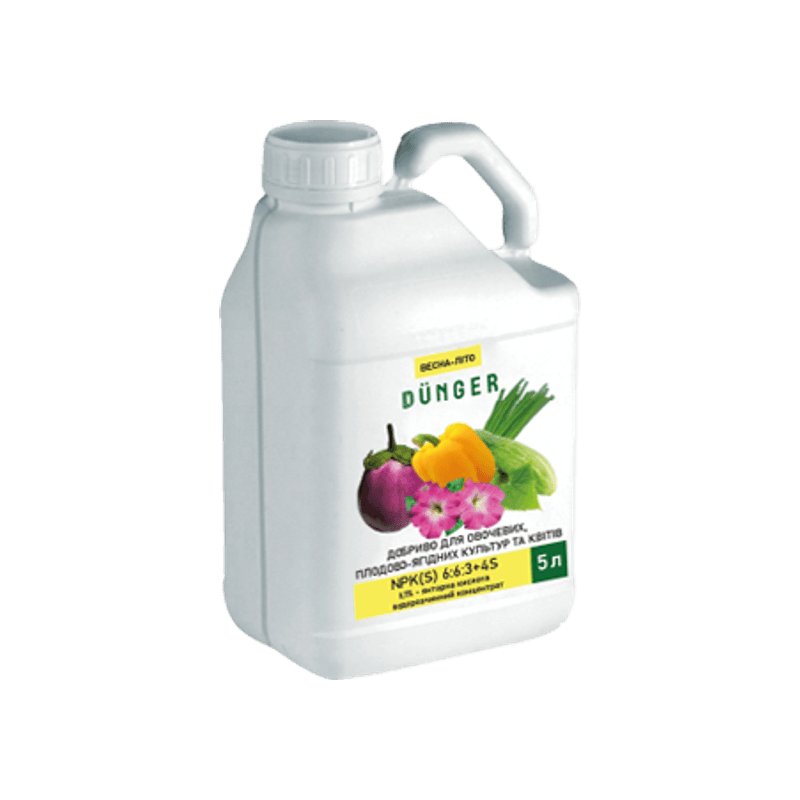
Complex fertilizer for vegetables, fruit and berry crops, and flowers
This product covers vegetables. Assess soil and previous medium feeding first. The full method and separate root rows distinguish mature plants and seedlings; foliar use is a different route, not an automatic addition.
Used throughout the entire period of plant development and growth. For root feeding into the soil/substrate, dilute 50 ml of fertilizer in 10 L of water (100 ml of solution per 1 plant) and use at intervals of 10-12 days. For foliar treatment (spraying), dilute 25 ml in 10 L of water and apply with a sprayer, ensuring even coverage.
For treating seedlings, halve the concentration of the working solution!
Feed plants with fertilizer in the morning or evening, avoiding hot weather. Fertilize the seedling substrate for the first time 10-14 days after pricking out or at the stage of 4 true leaves.
Remember that the solution for seedlings should be half as concentrated as the solution for mature plants. Do not use products whose instructions specify the same dosage.
Vegetables of all types, fruit and berry crops, flowers (root feeding): 50 ml/10 L of water (100 ml of solution /plant)
All types of vegetable seedlings, fruit tree saplings, berry bushes, flowers (root feeding): 25 ml/10 L of water (50 ml of solution /plant)
The canister holds 5 L of concentrate. Check quantity and ordering conditions. Feeding does not remove adverse-weather bolting or replace head space. Compare other products in the fertilizer catalogue using their own instructions.
Recognise harvest readiness
Assess head size and firmness against the cultivar. It should feel developed rather than remain only a spreading rosette. Do not leave mature napa cabbage standing in the bed as you might a round-headed cabbage; quality can deteriorate after maturity. A visible central flower stalk is a reason to revise expectations of a dense head, not increase the fertilizer dose.
Before buying products, identify the area and growing method. My Garden lets you specify zones, crops, measurements and a product plan. Keep the cultivar name and conditions of an unsuccessful planting for your own reference, so the next sowing changes an identifiable risk. Buying another fertilizer without understanding the problem does not provide that information.
Questions about growing napa cabbage
Cultivar, cold exposure when young, later heat, day length and stress can contribute. Examine the whole cycle, including the transplant stage. One failure does not prove fertilizer deficiency, and a stronger solution does not automatically return the plant to head formation. Use the experience to reassess the next crop's conditions.
No. Combine local weather, the season recommended for the cultivar and the time needed to harvest. Prolonged early cold and severe heat during heading create different risks. Assess both for your site before sowing, rather than applying a date from another region to every cultivar and growing method.
Nutrition does not replace space for leaves and heads. For full heads, follow cultivar spacing and thin in time. If the goal is young leaves, choose that purpose deliberately rather than expecting large heads from the same dense sowing. Plan seed quantity from the intended crop, not the other way round.
Account for nutrients already in the medium, plant condition and the product's own young-plant instructions. Do not automatically use a mature-plant rate. Provide suitable moisture and establishment first, then plan any addition from the actual requirement. Recently moving a seedling does not reveal how much nutrition it has already received.


