


Plan shallot bulbs for spring planting when the soil is workable, unfrozen and no longer saturated. Autumn planting can suit an appropriate cultivar and site, but is not equally dependable throughout Ukraine. Identify the material first: shallots in Allium cepa Aggregatum Group form clusters of bulbs. They are different from leeks and Welsh onions, and a loose description such as family onion needs clarification of the cultivar and intended growing method.
Why identifying the crop matters
A planted shallot bulb can produce a cluster of daughter bulbs. Allow space for that development rather than merely fitting the original bulb into a row. Growing for green leaves involves a different use of the bed. Do not judge a shallot as a failed ordinary onion simply because it produces several smaller bulbs instead of one large globe. Assess the result against the crop and purpose you selected.
Shallots can also be grown from seed, but seed, planting bulbs and young transplants are different materials. Their timing and planting depth should not be merged into one instruction. When ordering, check what is supplied, its cultivar and the result described by the producer. Shape and colour vary. A photograph of an attractive bulb does not establish its suitability for the season and method you intend to use.
Choosing planting bulbs
Consider origin, health and cultivar identity. Inspect the base, neck and outer skins. Soft, rotting or visibly damaged bulbs should not remain among sound stock because they are large. Where planting bulbs are supplied in clusters, separate suitable individual bulbs with intact bases. Avoid cutting each one in half merely to increase the number without a reason and a verified method for the particular material.
Ask about the recommended season, storage suitability and expected cluster habit. Selecting only the biggest bulbs does not guarantee equally large daughters: initial size and growing points interact with cultivar. Compare your saved stock by origin and condition as well. A supermarket cooking bulb does not provide the same growing information as labelled planting material. Check what you know before treating the two as equivalent purchases.
The spring window begins with the bed
Check soil condition first. It should be workable rather than frozen or a sticky wet mass. Warm air above the surface does not demonstrate that the rooting zone is ready. A sunny sandy bed and a cold heavy hollow may behave differently even nearby. Compare the actual plot with the cultivar guidance rather than relying only on the name of a month or another gardener's planting day.
Indefinite delay is not a useful rule either. Bulb formation responds to lengthening days, temperature and plant development. Cultivar choice and a timely start matter, and extra fertilizer cannot compensate for arbitrarily late planting. The broader guide to planting onions in spring helps assess bed readiness. For shallots, additionally account for the space the future cluster will occupy instead of assuming that all onion planting layouts are equivalent.
When to consider autumn planting
Choose autumn planting only for suitable material, taking local winter conditions into account. Roots need an opportunity to establish without prolonged standing water. A wet heavy site differs from a freely draining bed. A brief warm spell is not sufficient reason to plant any shallot before winter, particularly when cultivar information is missing. Confirm the intended season rather than inferring it from the date bulbs are offered for sale.
Compare your experience of overwintering alliums, site exposure and drainage of rain and meltwater. Do not commit all unknown stock to an autumn bed. The separate guide to planting winter onions helps assess local conditions, but check the particular shallot's timing and hardiness independently. Autumn planting does not guarantee larger bulbs or freedom from premature flowering.
Preparing space for future clusters
Choose sunshine and a position without standing water after rain. Remove weeds and assess soil structure before planting. Shallots have shallow roots and compete poorly with weeds; deep cultivation close to growing clusters can damage them. Arrange access for careful maintenance from the start. Where the plot remains wet, consider another position or an appropriate raised bed before buying more planting stock.
Account for previous onions, garlic and related crops. Reusing a problem site without investigating previous losses is unwise. If the last crop rotted, examine the ground and planting material first rather than adding random disinfecting products to every hole. A neighbour's successful bed does not establish that your soil has the same properties or history. Select the site on the information available for your own garden.
Placing the planting bulbs
Mark positions according to cultivar guidance and your growing objective. A dense layout for green leaves is not automatically suitable for clusters of storage bulbs. Leave room to maintain rows and do not expect feeding to make up for insufficient space. Packet weight is not a bulb count: planning needs the actual size and number of suitable planting units, rather than an assumption based on the bag alone.
Place bulbs base down and pointed tip up. Plant into prepared soil instead of forcing them into hard ground. Relate depth to season, conditions and the supplied guidance. Establish soil contact and check moisture afterwards. Do not hill up developing clusters simply because part of the bulbs becomes visible above the surface. That appearance is not by itself evidence that the original planting has failed.
Establishment and early growth
Maintain suitable moisture according to soil condition, rainfall and texture. Drying and persistent saturation create different problems, so a fixed number of litres for every bed is inappropriate. Check that newly planted bulbs remain in position. Weed carefully without damaging shallow roots or clusters. Access arranged before planting makes those checks easier than trying to work between crowded plants later in the season.
If the objective is dry bulbs for storage, assess plants for that purpose rather than judging only leaf quantity. A flower stalk is not a signal to increase fertilizer. Separate those plants when planning use of the harvest and review cultivar, season and conditions. Do not expect every planting bulb to produce an identical number of daughters: material and growing conditions influence cluster development.
A universal complex for the vegetable group
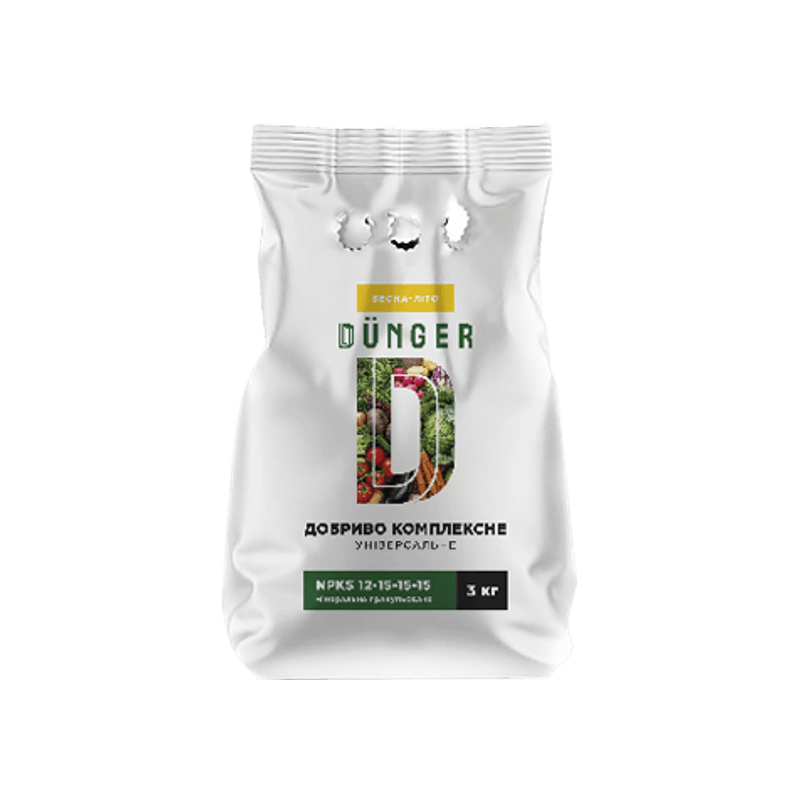
Complex fertilizer universal granular
Consider this universal granular product for shallots under its vegetable group. The group rate is not a separate shallot recipe. Assess soil and previous feeding first. The 3, 4 and 5 kg packs contain granules; the canister option is also sold by mass.
Apply fertilizer before sowing or planting, as well as for feeding. Fertilizer is evenly distributed in the aisles or over the soil surface, applied to rows (when sowing seeds - 2/3 g / running meter of a row) or planting holes (for seedlings up to 3g / plant).
Vegetable, legumes and greens: 20-40 gr/m²
For planting bulbs, use the applicable vegetable group and method rather than a seedling-hole dose. Check packs and purchase terms on the product page; compare vegetable fertilizers. Measure the planted bed separately from paths for your plan.
Harvesting and next season's stock
Use maturity signs for a dry-bulb harvest: foliage yellows, falls and dies back. Avoid assigning one number of days from planting to every cultivar. Lift clusters carefully without bruising bulbs, and cure them in a suitable ventilated place. Select sound undamaged bulbs for storage or later planting, retaining cultivar identity for each batch. Their condition matters more than keeping every bulb simply to maximize the stock saved.
Frequently asked questions
This guide concerns shallots, Allium cepa Aggregatum Group, which produce bulb clusters. Informal names can be imprecise, so establish cultivar and material when buying. Do not substitute leeks, Welsh onions or ordinary green-onion material based only on a familiar regional name or the appearance of young leaves.
For bulb planting, separate suitable individual bulbs with intact bases and use the recommended layout. This differs from planting seed-raised transplants with several plants in one module. Identify the material before choosing the operation; instructions for a seedling module do not automatically describe a harvested cluster of bulbs.
No. Results depend on cultivar, winter conditions and site moisture. Unsuitable material or a saturated heavy bed does not improve because the date is early. Clarify an unknown shallot's intended use first, rather than moving all your stock outdoors before winter and assuming that spring planting is inferior.
Match the intended group and full instructions rather than the crop name alone. The universal complex includes vegetables. Use that group's own rate and application method, accounting for soil and previous feeding. Do not transfer a seedling dose to a planting bulb or combine different products without assessing need.


