


Nettle liquid can contain nutrients available to plants, but a homemade batch does not have a constant composition. Identical buckets, colour and smell do not establish identical concentration. Start with the crop's needs and earlier applications, rather than a wish to use every nettle you have collected. Be particularly cautious with a single schedule offered for seedlings, mature tomatoes and all berry bushes without distinguishing their stage, soil or root system.
What people mean by nettle fertiliser
The name usually describes a liquid preparation made from green nettle material and water. Some substances pass into the liquid while plant residue remains. That is a different material from dried leaves, mature compost or a manufactured concentrate with a stated composition. Comparing these by volume alone is misleading. A litre of homemade liquid and a litre of commercial concentrate are not equivalent portions for a bed.
Nettles obtain mineral elements from the place where they grow. Collecting them transfers some of those elements elsewhere; it does not create a new mineral supply from nothing. If you repeatedly harvest the same patch, consider its soil as well. The source of the material helps explain why two homemade batches can differ before preparation has even begun. Keeping that information is more useful than assuming every patch contains the same nutrients.
Why smell cannot measure the composition
The quantity and age of leaves, their growing conditions, water volume and extraction method all influence the result. Liquid pressed from green material also differs from a preparation made with added water. Longer standing does not guarantee a proportional increase in nutrient content. Neither a dark colour nor a strong smell reveals the nitrogen, phosphorus or potassium that a plant will receive. Appearance cannot substitute for a measured analysis.
It is also unhelpful to call every nettle liquid purely a nitrogen feed and automatically rule it out for every fruiting crop. Equally, containing potassium does not make it a complete replacement for an established nutrient plan. A meaningful comparison requires the actual batch composition and the plant's need. Without those, a precise percentage or a promised result remains an assumption. Information about another gardener's liquid cannot establish your own batch's composition.
Check whether feeding is needed
Pale foliage and slow growth may involve nutrition, but they can also follow insufficient light, waterlogging, compaction or injured roots. Another liquid application cannot correct every cause. Inspect several plants, compare affected and unaffected parts, and check moisture beneath the surface. Avoid soaking a weak plant merely because it is smaller than its neighbour. First establish whether the roots have appropriate conditions in which to use nutrients.
List compost, manure, granules and liquid products already used. Homemade liquid belongs in that history even when its composition is unknown. The guide to checking garden soil before fertilising explains the initial assessment. Separate beds can require separate samples and decisions. A shaded bed with compacted soil and a sunny, freely draining bed should not automatically receive the same additional feed because both carry vegetables.
Seedlings and mature plants
A small potting volume and developing roots need their own approach. A mature-plant recommendation does not automatically apply to seedlings. Avoid testing an unknown batch on all your valuable young plants. For manageable feeding, choose instructions for the actual stage and account for starter fertiliser already present in a purchased mix. The fact that a seedling has grown another leaf does not establish the concentration it can receive.
Material collection starts with identification
First establish that the collected plant is genuinely nettle. Use gloves when handling stinging leaves and stems. A random mixture of green weeds is not a reliably identified ingredient. Retain information about where material was gathered, especially where crop-protection products may have been applied nearby. Unknown treatment history makes the material a poor choice for a controlled garden trial. Keep harvesting equipment and collected material separate from produce ready for the kitchen.
Nettles spread through seeds and rhizomes. Distinguish using green tops from moving roots or seed-bearing material into a vegetable bed. A household container does not establish that every remaining part has lost its ability to spread. Choose an appropriate way to process residue rather than scatter unidentified material among crops. Composting is a separate process involving air, moisture and material management, not simply another name for leaving a wet bucket.
Why one dilution does not fit every bucket
A proportion of water to prepared liquid has meaning only when you know what is being diluted. Different starting concentrations remain different after the same dilution. A ratio written by someone else cannot make your batch identical. An analysis and a verified method matter more than a universal rule that ignores ingredients and crop. Where a preparation method has been checked, keep its exact scope rather than replacing parts of it casually.
Avoid improvising mixtures with wood ash, other fertilisers or plant-protection products to make the liquid stronger. It then becomes harder to establish what was applied and why plants changed. A response in one trial does not transfer automatically to another crop, potting medium or new batch. Keep nutrition separate from treatment: a nutrient-containing liquid is not, on that basis alone, a verified control for a particular disease or pest.
Weather and beds in Ukraine
After prolonged heat in a Ukrainian Steppe garden, the root zone can remain dry even when the day becomes cooler. Heavier Forest-Steppe soil can be excessively wet after rain. Equal liquid volumes cannot resolve both situations. Restore suitable root conditions and assess any separate nutritional need first. A cooler day after a heatwave does not show that roots have already recovered. Check the soil itself rather than using air temperature alone.
Slowing autumn growth is not a reason to empty remaining liquid before cold arrives. Crop stage and subsequent conditions matter, alongside the permitted period of a purchased product. Avoid copying an outdoor-bed plan into a greenhouse with different temperature, watering and soil inputs. A season's name cannot replace assessment of the plants. Keep unused purchased products under their own storage instructions instead of applying them just to finish a container.
Observing a trial without quick conclusions
If following a verified method, keep the ingredient description, preparation conditions, crop and earlier applications. Compare similar plants with comparable light and watering. Before-and-after photographs are more useful than remembering that a bed looked greener. New foliage cannot isolate the effect of the liquid if water, weather and other feeding changed simultaneously. Mark the area clearly so that a later comparison actually concerns the same plants.
If plants deteriorate, avoid repeating the application automatically. Check moisture, roots and the pattern of symptoms, and prepare the details for advice. Observations on a few plants cannot establish a laboratory composition or suitability for an entire collection. For regular care, favour a method that lets you account for previous inputs and calculate the next purchase. The useful outcome is an appropriate decision, rather than proving that every available ingredient must be used.
When you need a measured vegetable feed
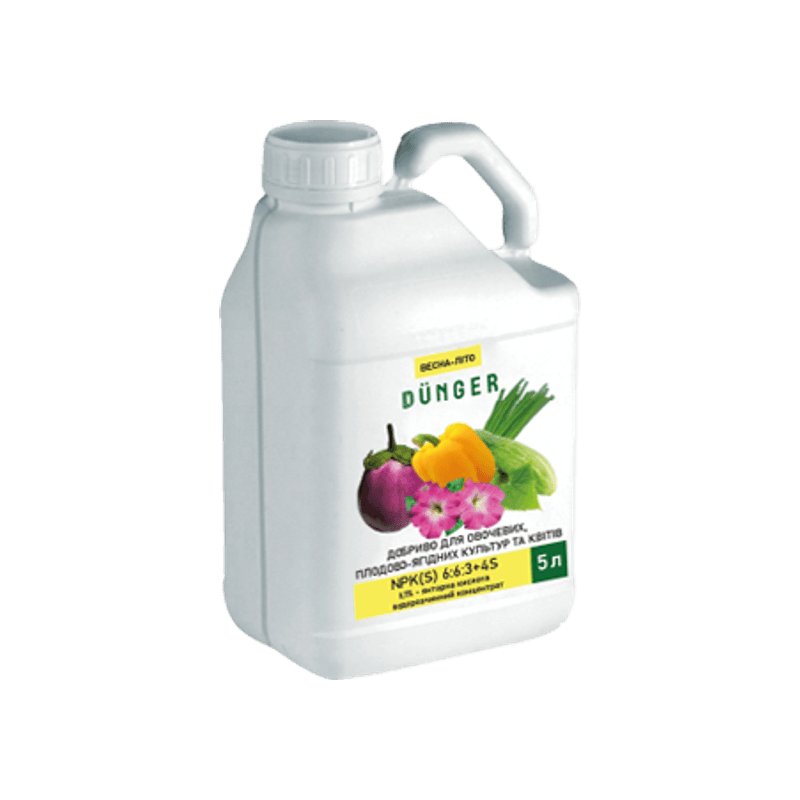
Complex fertilizer for vegetables, fruit and berry crops, and flowers
For healthy vegetable plants during growth with a confirmed need matching its composition, consider this DÜNGER liquid complex. Its instructions distinguish mature plants and seedlings, and root and foliar use. Choose the relevant method from the full directions. Avoid adding homemade liquid to its working solution or treating litres of different liquids as equivalent nutrients. Account for previous inputs and actual plant stage first.
The canister contains 5 L of concentrate, not prepared working solution. Establish crop, method, plant count and intended applications before calculating need from the relevant directions. A pack is not one treatment. Check the original photo, selected product and canister quantity before ordering. My Garden supports crop and zone measurements for planning separate beds.
The rate below is this concentrate's instruction for root feeding of mature vegetable plants. It is not a homemade nettle dilution or a seedling rate.
50 ml/10 L of water (100 ml of solution /plant)
Frequently asked questions
That depends on its actual composition, soil and crop need. Without an analysis, you cannot establish complete nutrition or calculate an equivalent substitution for another product.
No. Smell does not measure nutrient quantity. Assess the material and preparation method, and establish the plant's need separately.
Avoid transferring a mature-plant schedule automatically. A small root system and potting volume need a separate verified recommendation.


