


Move a grapevine during dormancy where possible, but remember that a suitable date does not remove the main difficulty: an established vine has extensive roots, many of which can be lost during digging. Decide first whether this particular plant should be moved. A young vine and an old one beside a house present very different jobs. Age alone cannot guarantee survival or a harvest in a particular year.
Is relocation necessary?
If a new building shades the vine or it obstructs a path, consider changing the trellis. Moving a support does not always require moving roots. Do not immediately dig up a declining vine with an unexplained disease for a better site. Identify the cause first. You could move the original problem as well, while root damage adds stress that becomes difficult to distinguish from its previous condition.
Younger, smaller vines generally move more readily than long-established plants. However, visible size does not reveal every root. Roots may extend beneath paving, a foundation or neighbouring plants. Do not start with a promise to dig just one spade deep. For a large vine, seek a specialist assessment before excavation and compare the cost with replacement. The guide to planting a new grapevine covers the different task of using nursery stock.
Choosing a moving window
A spring opportunity
For a Ukrainian garden, a practical reference is the dormant spring period before leaves unfold, when the soil is workable. Avoid frozen, saturated, sticky or excessively dry ground. The window may be shorter in a warmer southern garden; cold, heavy soil can remain unsuitable longer. Check buds and soil together rather than applying someone else's March date to your plant.
An autumn decision
Early autumn with green foliage is not dormancy. The vine is still transferring resources into storage before winter. Damaging roots then adds risk. If an autumn move is unavoidable, wait for natural leaf fall and assess the forecast and ground conditions. If freezing is imminent or proper aftercare is unavailable, reconsider rather than attempting to beat the weather at any cost.
Choose a cool, calm, overcast day. Wind and sun quickly dry exposed roots. Moving a vine with summer leaves and bunches is an emergency, rather than an equivalent alternative to dormant relocation. If construction cannot wait, obtain an individual preservation plan. A universal short procedure cannot compensate for major root loss or missing aftercare.
Prepare the destination first
Choose a sunny site with drainage, watering access and room for support. Do not move a shaded vine into a hollow that collects cold air and water. Consider its future size, shading of neighbours and pruning access. A narrow strip between a Ukrainian house wall and paving may look convenient while offering little accessible soil or room for roots.
Prepare the planting position, carrying route and material to support the root ball. The hole should fit the roots you preserve, not the other way around. Do not trim healthy roots simply to fit a narrow hole already dug. Remove rubble and check compaction. Standing water in the destination is not resolved merely by placing a few stones at the bottom.
Reduce damage during the operation
- Mark the previous soil level and identify any graft union.
- Release the vine from its support without pulling the trunk or breaking arms.
- Explore carefully to assess the accessible spread of roots.
- Keep as much root ball intact as possible and support it from beneath.
- Cover roots against drying and avoid leaving the lifted plant waiting while the destination is prepared.
Removing damaged root ends cleanly is different from chopping every root indiscriminately. Do not coil long roots into a tight bundle. Likewise, no universal retained bud count fits every moved vine. Pruning must account for the roots preserved, the training system and wood condition. Do not mechanically combine a full renovation of an old grapevine with drastic relocation on the same day.
Replanting and early aftercare
Use the original planting level as a guide. Do not bury a graft union or leave upper roots exposed. Fill carefully around the root ball, establish soil contact and water after planting. The support should prevent rocking without constricting the trunk. Install it without injuring the roots you have managed to preserve.
Check moisture in both the root ball and surrounding ground. On a dry Ukrainian Steppe site, a covered surface does not prove that water reaches the roots. On heavy, wet Forest-Steppe soil, daily watering intended to help establishment may be unnecessary. The goal is moisture, not continuous flooding. Record watering dates and the vine's response to see a pattern rather than judging success from the first opening bud.
Early shoots do not establish that roots have recovered fully: the plant also draws on reserves. Do not demand a large canopy and a crop simultaneously. Match the load to the vine's condition. Check ties, soil settlement and dieback regularly. Fertiliser does not repair severed roots or replace these checks.
Preserve a cultivar without moving its old roots
If the cultivar's history matters but its roots cannot be preserved, consider propagating healthy material in advance. Take material from the desired cultivar, not a random rootstock sucker. An own-root descendant is not identical to the original grafted combination in root system or its resistance. See rooting grapevine cuttings for the separate practical process. Do not propagate suspiciously diseased plants before investigating the cause.
Grape nutrition is a separate decision
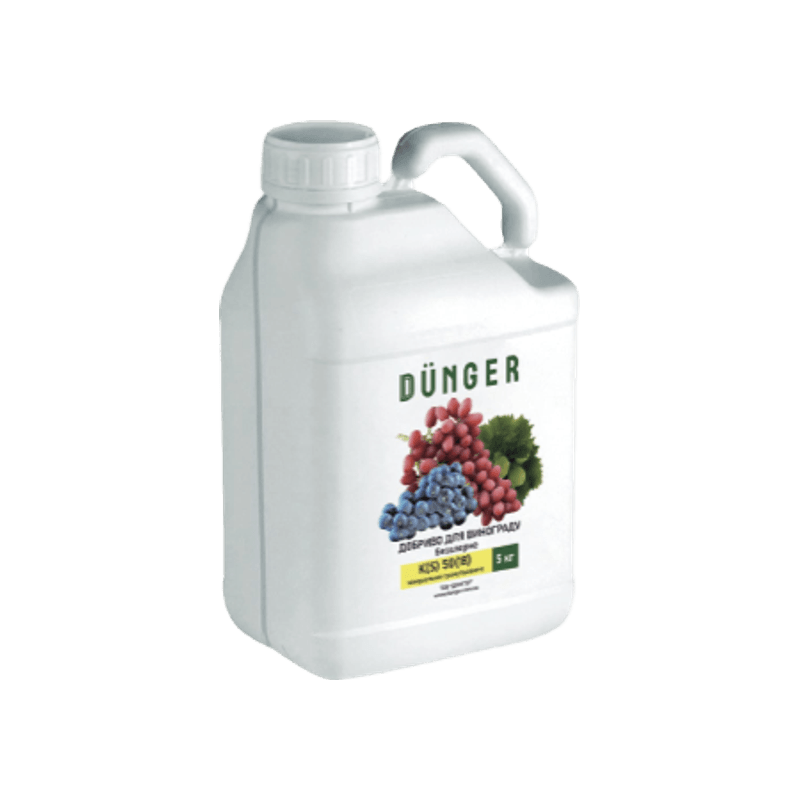
Complex fertilizer for grapes
For healthy, sufficiently established vines with a verified potassium need, consider this DÜNGER product. Its grape method has specific conditions; check its stated growth stage in the complete instructions. A spring moving date does not make damaged roots ready for feeding. The quoted grape rate is not an addition to the transplant hole or a root-healing treatment. Read the complete method, including its specified combination, before use; do not devise a mixture from this short quotation.
The 1 and 5 kg packs contain granules. Calculate by treated area, not buckets used after moving. Count previous inputs and remaining product. See spring grape nutrition for the separate decision and save the new zone in My Garden.
Grape
20g/10l of water/1m²
Keep a record of the new site
Save the cultivar name, moving date, bud condition, description of retained roots and support layout. Record watering and any nutrients already applied separately. Mark underground services and the access route. This helps prevent a return to the circumstances that made relocation necessary. Moving alone cannot solve shade, standing water or unavailable care if the new site repeats those problems.
For example, a vine beside planned building work needs a confirmed destination before lifting begins. A vine beside a path may need only a revised trellis. In both cases, agree who will water and monitor it after the operation. If the plant must travel, prepare protection and a secure way to support the root ball, rather than treating the trunk as a carrying handle. A clear plan can also lead to the reasonable decision to keep or replace the plant.
Frequently asked questions
There is no guarantee. Preserving an old vine's extensive roots is difficult. Compare relocation with replacement or preserving healthy cultivar material, and assess the job before digging.
Dormancy is preferable. Leaves increase water demand while damaged roots function less effectively. If the move is not urgent, wait for suitable plant and soil conditions.
No. Relocation alone does not prescribe feeding. Establish correct planting and moisture first, then assess nutrient need, root condition and the permitted stage for the chosen product.


