


Inspect an old grapevine before spring growth starts, while you can still see the trunk, arms and one-year-old canes. Begin with the living parts and the support. If the vine is neglected or partly damaged, renew it in stages. A sound arm can remain in use while you grow a replacement for a weak section. Make a final cut when you know what will take over that part of the framework.
Identify the parts of the vine
The trunk connects the roots with the upper framework. Arms or cordons may extend from it and carry one-year-old canes. Fruit-bearing shoots develop from buds on canes made in the previous growing season. Older wood supports that growth and positions it on the trellis. Judge the older structure by its condition and purpose before deciding whether to remove it.
Trace each arm from its base to its end. Mark where there was strong growth last season, where sound one-year-old canes remain and where young shoots arise near the trunk. Note the wire height and any obstacles to tying. When the canes are tangled, several photographs and separate tags help you follow each arm back to its point of origin.
Decide what you want the vine to do. An arbor vine kept for shade has a different form from a grape you pick regularly at an accessible trellis. If your aim has changed, check where the support can carry new growth before you select a replacement cane. See spring grapevine pruning and cane selection for decisions on the healthy parts of the framework.
Distinguish crowding from damage
An arm that grows healthy shoots far from the trunk may need a better-positioned replacement. If the arm has declined gradually, buds fail to grow and you see lesions or dark patches in the wood, a trunk disease may be involved. A single symptom cannot identify the cause. Mark the affected section and establish what you are dealing with before making a large cut.
After a severe winter, a sudden setback across several parts can be related to cold injury. If the extent is uncertain, retain some suitable reserve wood and look again as growth begins. That lets you see which buds and parts of the vine are alive. It can prevent you from removing a useful arm based on its appearance while dormant.
Decide what the new cane is meant to replace
On a vine with permanent cordons, short spurs sit along an older arm. If only the outer part is weak, see whether a nearer shoot can renew that section. In a long-cane system, fruiting canes are replaced regularly. Choose replacement wood where it can be tied easily. A fixed bud count from a different cultivar or training system cannot resolve the condition of an old vine.
Check where a basal shoot comes from
On an own-rooted grapevine, a suitable shoot near the base may be trained into a replacement trunk. On a grafted vine, identify where the rootstock meets the fruiting cultivar. A shoot growing below that join belongs to the rootstock. It will not preserve the cultivar you grew for fruit. Choose healthy material above the graft union when renewing that cultivar.
If you inherited the vine and do not know how it was propagated, keep living parts until you can investigate. Look at the trunk base and check old photographs or planting records if available. Take a picture showing where a candidate shoot starts. Before removing the last sound part, be sure the replacement will maintain the grape you want.
Renew an arm or trunk in stages
- First assessment. Locate living wood and mark damage. Decide what should carry growth for now and where a replacement can develop.
- Grow the replacement. Guide a sound shoot toward sturdy support. Check its ties during the season so they do not constrict it.
- Review after the growing season. Check whether the cane matured and reached the intended position. Decide whether it is ready to carry the next part of the framework.
- Make the next cut. Remove the old arm or trunk when the replacement is established and useful. Spread the work over more than one dormant period if needed.
A sound arm can remain while another develops. If you have no useful replacement, delay removing the last living framework and see what grows during the season. Unsafe or visibly affected wood needs its own assessment. If you suspect disease, clarify the condition before choosing wood to support a replacement arm.
Check the trellis before tying new growth
Inspect posts, wires and fastenings. Repair a weak support before you guide a new shoot onto it. Keep tying points within easy reach for maintenance and harvest. Where the vines are protected over winter, consider whether the retained canes can be untied and lowered. See autumn grapevine pruning and winter preparation to connect the spring plan with the next winter's needs.
When the replacement trunk still needs time
If one arm remains sound and a promising shoot appears lower down, confirm its origin and guide it toward the support. Check again after the growing season to see whether it matured and reached its intended position. A short or damaged replacement is a reason to defer removal of sound wood. On an arbor with tangled vines, trace each cane to its own base before deciding what to cut.
Use bud stage and site conditions to choose the time
For planned pruning, look toward the end of dormancy before active growth. In Ukraine, a vine trained against a warm wall, one protected over winter and one in an exposed hollow can need different decisions. Inspect what survived under winter protection and consider the local risk of renewed cold. On a possibly cold-damaged vine, waiting to see the pattern of bud growth may be more useful than making a quick final cut.
Keep a separate note for each vine. Photograph the replacement position, date the inspection and write down what you confirmed. Compare new shoots with the proposed layout as the season goes on. If a candidate cane turns out weak, defer that part of the plan. A date can remind you to inspect the vine, while the living wood tells you which work is possible.
Plan nutrition separately from renovation
Check soil results, past applications and the vine's condition first. Weak growth after cold weather or a dead arm cannot establish potassium deficiency by itself. Use the garden soil assessment to review whether the product composition fits the actual need. If the applicable stage in the directions has passed, clarify the options for that product before moving its application to another time.
Potassium fertilizer for grapevines when needed
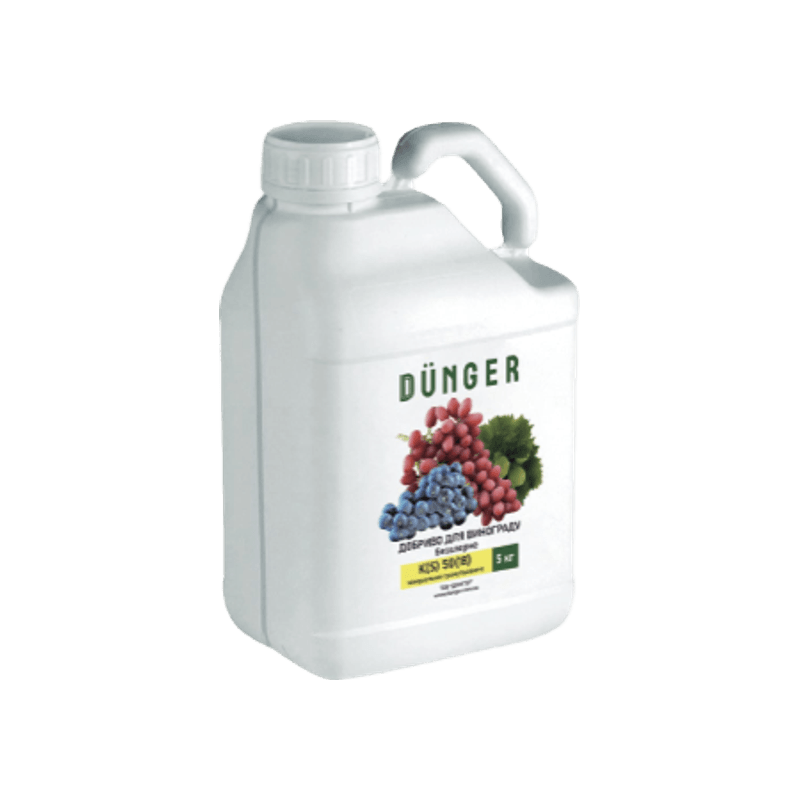
Complex fertilizer for grapes
Consider these potassium and sulfur granules if the assessment points to a potassium need. Open the full directions for the method, applicable stage and measurements required for your vine zone.
Compare the calculated quantity with the 1 kg and 5 kg packs. Check the current price and availability of the chosen option when ordering.
Questions about renewing an old grapevine
Start by checking living parts, support and the origin of candidate shoots. If a sound arm remains and a replacement can develop, proceed in stages. A drastic cut depends on the extent and cause of damage and whether the vine is grafted. If you cannot establish whether the remaining parts are healthy, check before cutting them away.
Compare the arms and several canes. If the extent of injury is unclear, retain useful reserve wood and inspect the vine once growth begins. Gradual dieback over multiple seasons or visible lesions call for a closer look at the wood. Cold injury and disease require different decisions.
Compare the soil assessment, previous inputs and actual live growth. Find the cause of weak growth first. If the vine needs a nutrient the product supplies, check its full directions, the area to be treated and the pack size. A pruning date does not determine whether the vine needs a fertilizer application.


