


Plant grapevines in a sunny, freely draining place with their support prepared. First identify the planting material: own-rooted or grafted, dormant bare-root or actively growing in a container. Preparation, timing and position depend on that distinction. Avoid a single planting depth for every vine and do not place unverified concentrated fertilizer against the roots. The first season should establish the plant rather than satisfy a universal promise of an early crop.
Choose a vine for your site
Ask for the cultivar name, intended use, vigour, ripening season and winter requirements. In a Ukrainian garden, attractive bunches in a photograph matter less than matching the cultivar to the available warm season and local winters. Ask about the rootstock and graft union if the plant is grafted. Keep its label and provenance information. A vague description such as sweet grapes does not provide enough detail to plan a permanent row or its future care.
Inspect the roots or root ball, shoot base and graft union. Do not select a vine solely because it has the most green leaves. Ask whether a container plant was kept under protection or outdoors before sale. A plant actively growing in warmth and a dormant bare-root vine face different transitions into the garden. Discuss visible damage, dried roots or an uncertain graft condition before buying, while you can still compare alternative planting material.
Find space for a row or an individual vine
Choose a sunny, sufficiently warm position where water does not remain around roots after rain. Avoid permanent shade and locations where cold air collects and young growth is more exposed to frost. Observe the plot at different times of day. A corner that is sunny during a short visit may be shaded for most of the day by a tree. Consider mature neighbouring plants and buildings before digging the planting hole.
Both the warm season and winter risks vary across Ukraine. In a cooler position, appropriate ripening time is especially relevant; in a drier one, access to water needs planning. A deeper hole alone does not correct heavy waterlogged ground. If soil structure or reaction is uncertain, start with soil assessment. Site preparation should address an identified issue rather than reproduce an arbitrary recipe for filling a planting hole with several products.
Plan support and the future framework first
Grapevines need sturdy support. Install it, or settle its exact position, before planting so later posts do not damage roots. A cropping trellis and an ornamental pergola serve different purposes. Think through tying shoots, pruning canes and access for any intended winter protection. Space must accommodate the mature trained vine rather than only the thin shoot present on planting day. This is a permanent planting decision, not simply finding somewhere to lean a cane.
Choose spacing according to vigour, rootstock and training system. Do not copy one number from a photograph of another vineyard without those details. Allow room to walk, water and care for neighbouring crops. Beside a wall, check roof runoff and root space. The support needs to carry the future plant's weight, not just its present growth. Decide how work will be done safely before the vine fills the structure and makes later changes difficult.
Dormant and green plants have different timing
Keep bare-root planting material cool with roots protected from drying, and plant when soil is workable. It should not be frozen or waterlogged. Spring planting lets a young vine use the coming warm season to establish, but the actual day is a local decision. An autumn option needs assessment of the remaining season and winter conditions. In November, assess the planting material, soil condition and local winter risks. Buying a vine does not make immediate planting suitable regardless of its condition or the weather.
A green container vine raised under protection needs gradual adjustment to outdoor light and air and consideration of frost risk. A pot does not guarantee readiness for a cold night. If planting must wait, discuss suitable temporary conditions with the supplier. Avoid leaving bare roots exposed to sun while gathering tools. Prepare materials before removing the plant from its wrapping or pot. Keeping the two types distinct prevents a dormant-vine calendar being used for tender active growth.
Position roots and the graft correctly
The hole should accommodate roots without forcing them into bends. Remove clearly broken parts where necessary rather than arbitrarily shortening the whole system to fit a small hole. Support a container root ball instead of pulling the plant by a thin green shoot. Establish the recommended position for that particular planting material beforehand. Similar-looking parts in photographs of different vines can end up at different heights, so a picture without plant identity is an incomplete guide.
On a grafted grapevine, keep the graft above the final soil surface, allowing for settlement after watering. For container-grown material, the previous pot level is a starting reference, with the graft checked separately. Own-rooted and grafted vines should not receive an identical depth merely because their cultivar name matches. If a supplier recommends a different method for a specific system, clarify the plant type and purpose first instead of combining fragments from unrelated instructions.
Water and check the newly planted vine
Backfill around the positioned roots with suitable soil and water to settle it. Check the final position and that excess water can drain away. Subsequently judge moisture in the root zone, recent rain and soil properties. A newly planted vine does not have the root system of an established plant, so the drought tolerance of an old vine cannot automatically be assumed. At the same time, keeping a planting hole permanently wet is not desirable care.
Direct water to the root zone rather than substituting daily leaf wetting for watering. Control competing weeds and work carefully near young roots. Tie new growth according to the future framework and check that fastenings do not constrict it. If the plant wilts, establish whether the soil has actually dried before adding more water. Similar-looking leaves can accompany different root conditions. An appropriate response starts with the soil and plant rather than a fixed watering reminder.
Early training and crop expectations
Identify the shoot or shoots needed by the chosen system and support them. Do not retain every branch simply because growth feels valuable, and do not copy mature cropping-vine pruning onto a small plant. Match the training sequence to the planting material. The guide to when to prune grapes explains seasonal distinctions without imposing one complete pruning recipe on every new vine. The aim is a usable developing framework.
Avoid buying on a promise of the same crop next year from every vine. Establishing roots and a suitable framework comes first; later performance depends on cultivar and conditions. Poor development should not immediately be labelled potassium deficiency. Check planting, water, light and fertilizer already applied. Additional nutrition follows an identified need rather than an attempt to make a small vine catch up with a stronger neighbour. Differences in size can reflect different plants and starting conditions.
Separate a feeding plan from filling the planting hole
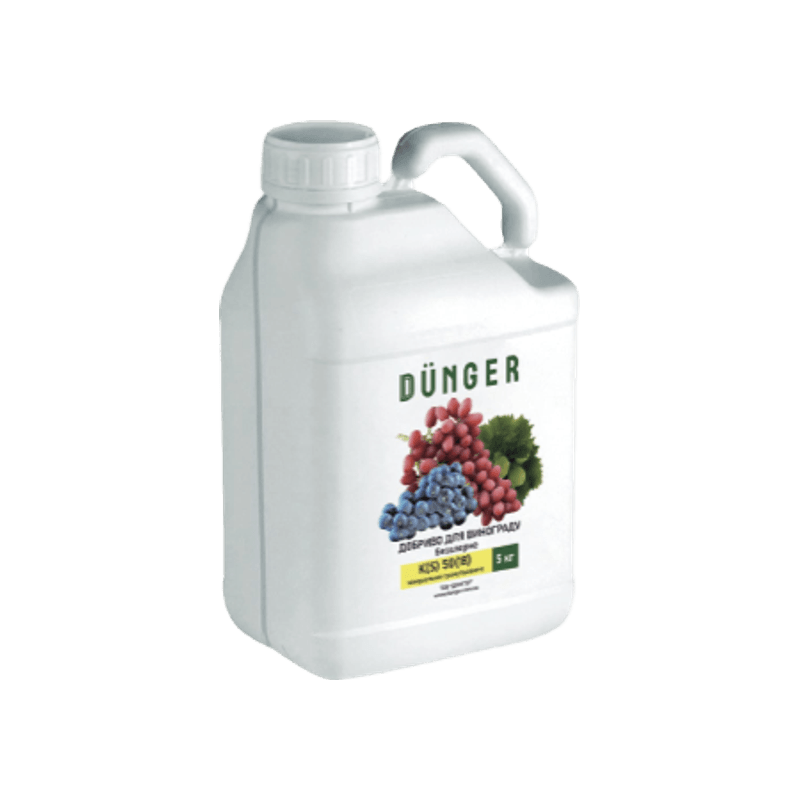
Complex fertilizer for grapes
For a subsequent grape feeding plan, this potassium granular product comes in 1 and 5 kg packs. Its own instructions describe early spring use before leaves open. It is not an arbitrary mixture to place against new roots. The row below is for grapes; read the full method and clarify suitability for the age and condition of your vines before use.
Grape: 20g/10l of water/1m²
Compare intended uses in the grape fertilizer range. Organize a zone, crop, measurements and chosen product in My Garden. Before calculating pack quantities, identify the intended treatment area rather than the whole plot including paths. If use for your young vine is unclear, clarify it before preparing a solution. Do not turn an area rate into a rate for each planting hole. Check pack choice and purchase terms.
Prepare details before buying
Frequently asked questions
A container does not remove the need for suitable weather, soil and adjustment of green growth. Establish how the plant was grown before sale and consider both frost and heat at the site.
Keep it above the final surface on a grafted vine. Check again after soil settles and distinguish the union from other parts of the stem. Clarify its position before planting if uncertain.
Do not add them speculatively. Preparation follows soil conditions, previous inputs and precise product directions. Concentrated nutrients beside young roots do not replace correct positioning, water and support. The guide to feeding grapevines in spring addresses nutrition as a separate decision.
Find more practical guides in Fruit garden.


