


English lavender can overwinter in a garden bed when the cultivar suits the site, the roots have established and water drains away from the base. Tender species and small pots need a different plan. Begin with the plant's name and watch what happens after rain. Extra wrapping cannot correct saturated soil. Choose protection for the individual plant, then check it during thaws to make sure water is not building up underneath.
Identify the lavender you have
Look for Lavandula angustifolia if you want English lavender. It is generally more cold tolerant than toothed lavender or types with conspicuous bracts above the flower head. Common names such as French lavender are used differently, so the botanical name helps. Hybrid lavenders also vary by cultivar. Flower colour or the size of a plant alone cannot tell you how it will cope with winter.
For an unlabelled plant, ask the nursery how that particular stock has been kept and whether it is suitable for winter outdoors at your site. A tender or unidentified type may be easier to manage in a movable container with appropriate protection. Avoid judging it by the success of a neighbour's established English lavender. Keep the label when you next buy a plant so you can plan its care.
In Ukraine, the lowest temperature is only part of the picture. Wind can remove snow from an exposed bed, while a hollow collects meltwater around the roots. Raised ground may dry sooner. A sequence of mild spells and renewed frost changes conditions again. Consider the position of each plant and the way the soil drains. A hardy cultivar in an open, well-drained bed faces different risks from the same cultivar in wet shade.
Inspect the base after rain
Visit the bed after heavy rain before the ground freezes. Look for the direction of runoff and how long water stays. Remove wet leaves matted over the lower shoots without pulling the branches. Clear an outlet if a path or downspout sends water into the planting. Avoid banking heavy soil against an established shrub or burying leafy shoots at the base.
English lavender needs sun and freely draining ground. Even a mature plant can suffer if its roots stay wet through a mild winter. Plan a new planting on raised ground or in a suitable container where the soil is heavy. Do not dig between established roots in winter to loosen the soil in a hurry. Mark the problem and leave major soil work until conditions are suitable. See the guide to assessing garden soil before changing the bed.
Decide whether loose protection will help
Consider the climate, the age of the plant and its position. Established lavender in a suitable bed may winter without a close covering. A vulnerable plant can benefit from light, loose protection applied after dormancy if the material does not trap water at the base. Inspect after rain and a thaw. Air should still circulate, and the covering should not press a wet mass against the shoots.
Avoid sealing lavender under clear plastic touching the foliage. Sunshine can warm the enclosed space, and condensation can remain inside. Secure any light protection so it does not rub the shoots or sag under rain. If water keeps collecting, work out how to divert it. An extra layer around an already wet plant can make drying slower.
Naturally fallen snow can moderate temperature changes. Keep heavy chunks cleared from paths away from the plant, especially if they contain a de-icing product. Let ice thaw rather than forcing frozen stems apart. Once conditions soften, inspect supports and any place where a cover touches the shrub.
Choose a winter position for each pot
Container roots are less insulated than roots in the ground. For a plant suited to outdoor winter conditions, choose a stable, sheltered spot clear of roof runoff and sliding snow. Check the drainage holes and remove a saucer if it holds water. When insulating the sides, keep the base free to drain. Make sure the pot cannot topple in a strong gust.
Move tender types into suitable bright protection before damaging cold arrives. Check whether that space stays within the safe range for the species. An unheated greenhouse is not necessarily frost free. Put a thermometer near the plants and inspect it after a cold night. Ventilate during sunny spells to prevent overheating, while keeping plants clear of an abrupt cold blast through an open door.
Keep container lavender much drier in winter than during active summer growth. Check the mix below its surface from time to time. If it has thawed, is beginning to dry and can drain, water as needed. If the centre is still wet, wait. A single watering day for every pot misses the differences caused by volume, container material and exposure.
If you group containers together, leave enough room to inspect each one. A pot at the edge can receive more rain than one under an eave. Check moisture where the roots are rather than assuming every container in the group behaves alike. Move an insulation layer if it has slipped over the drainage holes.
Give young plants their own plan
A newly rooted cutting has a smaller root system than an established shrub. For young plants bought late in the season, check whether their roots hold the mix together and whether you can provide appropriate shelter. Label the pots and keep them accessible. Inspect small protected plants separately from large containers left outside. Even in a cool space, a small pot can dry sooner than expected.
For the following season, choose a planting window that gives roots time to establish in workable ground. Use the guide to choosing a lavender planting window to plan that step. If an old shrub repeatedly stays wet in a hollow, consider its age and roots before moving it. A rushed late transplant adds another difficulty before frost. Read how to move established lavender before attempting the move.
Check growth in spring before pruning or feeding
Grey foliage does not by itself mean the whole shrub is dead. Wait for the ground to thaw and look for new growth. Compare the base with the shoot tips and inspect for broken stems or lasting dark damage around the crown. Avoid cutting the whole plant down into old wood because snow has left it uneven. See how to choose when to prune lavender to decide which work should wait until growth resumes.
If part of a planting has failed, compare the pattern with wet spots, pot positions and cultivar names. The differences can help you change conditions next time. When choosing replacements, allow for mature width and airflow between plants. Plan the area and plant count for each bed separately. Keep winter observations and photographs in your own notebook so you can compare the next season.
Feeding lavender in its next suitable growth stage
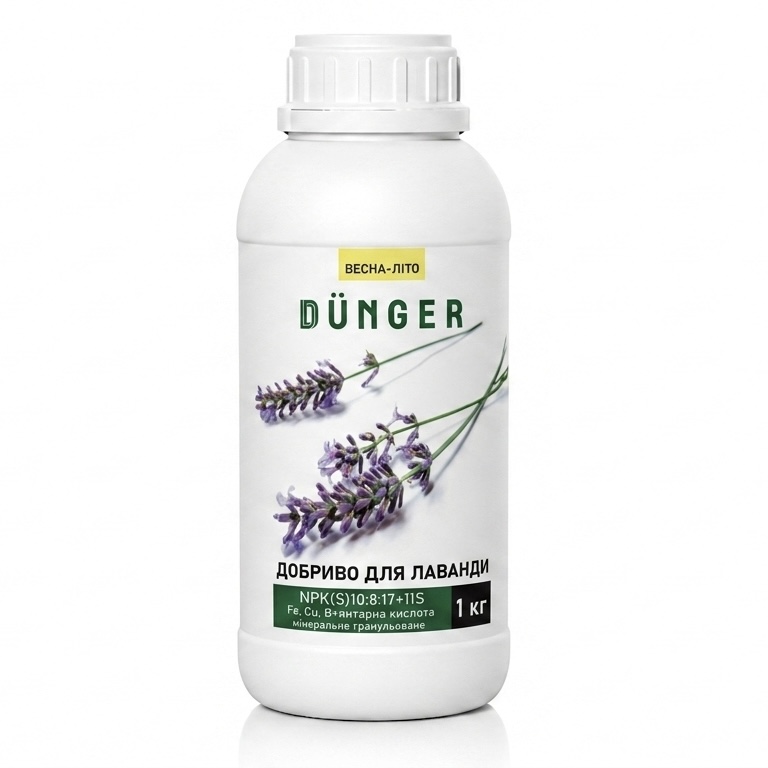
Complex fertilizer for lavender, granular
When lavender has resumed healthy growth and the bed needs the nutrients in this formulation, consider DÜNGER lavender granules. Check the full directions against the plant stage. They give soil application timing after sowing or planting and at flowering. Do not dissolve the granules in water.
Measure the area you will treat according to the directions and compare the required mass with the 0.5 and 1 kg packs. Check the original pack photo, rate and current price. During winter, focus on drainage and the condition of the roots.
Frequently asked questions
It depends on the species, cultivar, pot and root protection. Check cold tolerance, drainage and position. Tender types need suitable protected winter storage.
Check the mix after it has thawed. Water when needed if it is drying and excess water can escape. Avoid keeping the root zone constantly wet.
Inspect drainage, the base of the shoots and any place where water collected. Winter wetness and temperature swings can injure lavender even without a long period of severe frost.


