


Outdoor begonias thrive where their roots have both moisture and air and their leaves have time to adjust to brighter conditions. The right plant for the sunny edge of a bed may differ from the right one for a sheltered terrace. First find out whether you have a fibrous-rooted wax begonia or a tuberous begonia. That distinction guides the choice of exposure, watering checks and what to do at the end of the season. Leave the plants outdoors once the local frost risk has passed.
Choose the right begonia for the site
Wax begonias make compact plants that can work along a bed edge or grouped in a planter. Cultivars have green or bronze foliage, among other differences. Some do well with considerable sun once established and adequately watered. A plant that has been under cover at the nursery still needs to adapt before it spends the afternoon in bright sun. Use the cultivar label and watch the leaves during the first few days. Foliage color alone is a poor substitute for those checks.
Tuberous begonias are often chosen for their large blooms. Give them indirect or dappled light, or gentle morning sun, with some protection from strong wind. A dark recess under a staircase and an exposed patio that heats up in the afternoon present very different problems. Read the guide to begonia groups if the plant group is still unclear. For a plant with trailing stems, see care for trailing begonias in hanging baskets because the way a hanging basket dries differs from the way a garden bed dries.
At the shop, look beyond the buds. Choose a plant with firm stems and healthy leaves without wet-looking spots. Check whether the nursery pot has holes and whether it is standing in water. Ask how much light it has been getting. A plant that has spent the week indoors or under a canopy should have time to get used to the sun and wind, even if its cultivar can eventually handle a brighter spot.
Prepare the space and acclimate plants gradually
See when the site gets light. An east-facing courtyard might have morning sun and afternoon shade. A west-facing wall can become hotter and brighter late in the day. After rain, look at the ground near any downspout. If water sits there, pick a different spot or address the drainage first. In containers, water needs an unobstructed exit, including when the inner nursery pot sits inside a decorative cover.
Begin with a sheltered spell outside in mild weather. Gradually extend the exposure, watch the leaves and read the forecast. Bring movable containers inside on cold nights. Sending a greenhouse-grown plant straight into bright sun on a windy day changes several conditions at once. Introduce those changes individually where possible. In Ukraine, a sheltered city courtyard and an exposed hollow may become suitable on different dates. Use the local night forecast and what you know about the site rather than the date alone.
Watering a bed and a container
For a bed, set the root ball at its existing growing level unless the instructions for your particular planting material say otherwise. Backfill, water and let the moisture settle into the soil. Check that you have not left a depression that holds water around the stems. Delay digging if the soil is still sticky after heavy rain. A small nursery root ball can dry more quickly than the surrounding ground. In the first days, check moisture within the ball and just outside it.
For a planter, choose a mix that holds useful moisture and drains the surplus. If you are preparing both beds and pots, compare soil choices for beds and containers. Do not copy a watering timetable between open beds and planters under a roof. Rain may wet the bed thoroughly while missing a pot a short distance away. Under a tree, check the soil itself rather than assuming the canopy let the rain through evenly.
Before watering, look at the surface and check just beneath it. If the center of the root ball still feels wet, wait and check the outlet. If the mix has begun to dry slightly and the root zone needs water, direct it onto the mix, let the excess drain and empty the saucer. In an outdoor bed, watch whether water soaks into the roots' area or travels along a compacted surface towards a path.
A plant that wilts in the afternoon needs a moisture check first. Water a dry root ball evenly. More water can worsen the conditions inside a wet, airless root ball. In a hot container, also check whether the sides are heating up. A movable pot can be shifted to a more protected place while you assess the problem. If the plant does not recover under milder conditions, look at the roots, the base of the stem and the leaves separately.
Summer checks and feeding decisions
On a regular walk around the planting, see whether new leaves are opening normally and whether neighboring plants have closed the gaps. Leaves dry more slowly in a tightly packed group. Separate a pot with spreading leaf spots and clean any tools before using them on healthy plants. Applying water at soil level avoids wetting the foliage unnecessarily. In a mixed bed, watch that taller plants do not block all the light and air around the begonias.
Before buying fertilizer, check whether the potting mix already contains it and what was applied to the bed previously. A new plant in a cold, saturated root ball first needs better drainage. Once plants are rooted and growing, decide whether they need feeding based on the condition of the planting, the medium and the full directions for the product. Check beds and pots separately. An outdoor area is not a measure of the volume in a container.
Granules for an outdoor flower bed, if needed
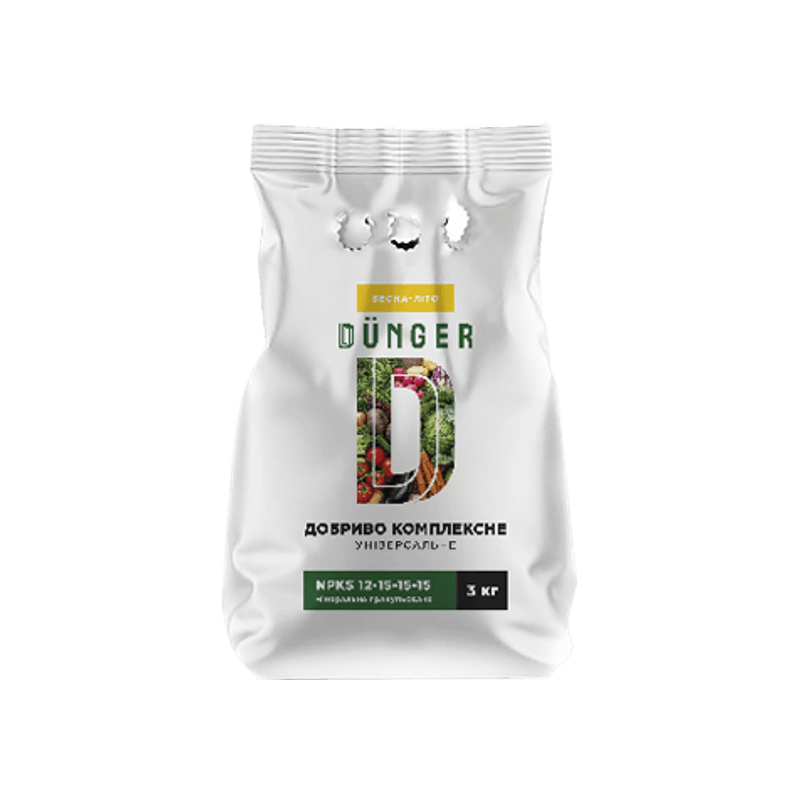
Complex fertilizer universal granular
The universal granular fertilizer lists a separate flowering and ornamental crop group. Consider it for a bed if you have checked prior applications and those nutrients match the planting's needs.
Measure the part of the bed you will treat and check the rate, unit and method in the full directions. Do not use the area-based bed calculation for a balcony planter.
Before the first autumn frosts
Mark the pots holding tuberous begonias while you still remember their cultivar names. If you want to keep the tubers, arrange a dry, cool but frost-free storage place, and allow for lifting and drying them. Wax begonias do not form the storage tubers needed for this method. You can grow wax begonias as seasonal bedding and make a separate decision about any living plants you want to overwinter.
A warm autumn can change quickly. It is easier to move a container from a cold corner before a sharp night than to try to save frost-damaged leaves afterward. Write down where the plants handled summer conditions well and where the ground stayed wet. These notes help you choose a spot for a particular cultivar next year, even if you change the containers.
Outdoor begonia questions
Start with the group. Some wax begonias can grow on a bright balcony after gradual acclimation if the roots receive enough moisture. Tuberous begonias usually do better in a sheltered spot with filtered light. Check how hot the sides of the pot become during the brightest hours.
Check the soil beneath the leaves and inside the root ball. An exposed bed may have enough moisture while a container under a roof remains dry. If the mix is already wet below the surface, postpone watering.
Confirm that the plants need it first. Measure the bed area you will treat and verify the group and unit given in the directions. Compare that calculation with the pack sizes. Check the directions separately for plants in pots instead of carrying a bed rate over to a container.


