


You can grow petunias from seed at home with a small tray and a bright place to put it. The tiny seeds need a damp surface and light. Once the seedlings emerge, they need brighter light, an uncovered tray and careful watering. Each stage calls for different care.
When to sow petunias indoors in Ukraine
Start with the date when your plants can stay outside safely. For a garden bed, balcony box or hanging basket, that means after the risk of night frost has passed in your area. Check the local forecast again near planting time. An exposed balcony and a sheltered courtyard can have different conditions even in the same city. A basket you can carry inside gives you some flexibility while the plants are getting used to the weather. Plant a fixed railing box once cold nights have passed.
Count back roughly eight to ten weeks from your likely planting date, then compare that estimate with the instructions for your seed variety. For example, if outdoor planting is likely around the middle of May and you have a suitable light, March gives you a starting point. Adjust that example to your site. On a dim windowsill it can be easier to sow a little later than to keep stretched seedlings indoors for longer. Leave time to get the plants used to the outdoors as part of the plan.
How to sow raw and pelleted petunia seeds
Moisten the mix first
Fill the container, level the surface and dampen the mix before you sow. You can let water wick up through the drainage holes and pour away what is left in the bottom tray. Avoid puddles and hollows. Break up any lumps so a tiny seed cannot disappear into a crack. A seed-starting mix makes water easier to manage than garden soil. When it is time to move up to larger pots, use the separate guide to choosing a mix for petunias.
Leave the seeds on the surface
Tip a few raw seeds onto a white sheet of paper so you can see them and move them individually. Pelleted seeds are easier to spot and place one per cell. Press gently to bring the seeds into contact with the damp mix and leave them exposed to light. Do not bury them. If the surface needs water, use a fine mist or water from below. A heavy stream can wash the seeds into a corner.
Put a clear lid over the tray to slow drying between checks. Keep it in a bright, warm place where direct sun does not hit the covered container. The air under a lid can get too hot on a sunny windowsill. If the layer around the seeds begins to dry, moisten it gently. Remove the cover when seedlings appear and give them enough light. Label the tray while you still remember which variety is where. A photo helps you compare progress.
What to change after the seedlings emerge
The first leaves you see are the seed leaves. True leaves appear later and help you judge when a seedling is ready for its own cell. If they lean in one direction, have thin stems or leave a wide gap between leaves, see how much light actually reaches their growing tips. Adjust your lamp according to its instructions. Give the plants a dark period at night and avoid placing a light so close that it overheats the leaves.
Feel the mix at the edge of a cell and get to know how heavy the tray feels after watering. The surface sometimes dries before the whole plug. If it is still damp below the surface, frequent misting just keeps the top wet. On the other hand, a spray may wet the surface while the roots underneath stay dry. When you water from below, let the mix take up moisture and tip out the excess. Check the row closest to the glass on its own if it dries sooner than the rest of the tray.
When to pot on and how to protect the roots
When the seedlings have several true leaves and are big enough to handle, prepare individual cells or small pots. Make a hole in the moistened mix before lifting a plant. Use a small spoon to lift the seedling with the soil around its roots. You can steady it lightly by a leaf if necessary. Avoid squeezing the stem. Set the roots in the hole, settle mix gently around them and water to bring it into contact with the roots. A large pot takes up more space under a light and makes watering less predictable at this stage.
If a plant wilts just after potting, check whether the root ball broke up, whether the mix is moist and whether the pot is in hot sun. Check light and moisture in the new cell. Look for new leaves as a sign that growth has resumed. When seedlings are tangled together and you only want to keep one, you can snip the others at the surface. Pulling them out risks disturbing the roots of the seedling you want to grow.
Moving petunias from the windowsill to a balcony or bed
Start with a short spell outdoors in bright shade, protected from strong wind. Increase the time and direct sunlight gradually. Bring the plants indoors if a cold evening is forecast. If they wilt or show pale dry patches after their first outing, go back a step and check the moisture around the roots. A sunny balcony can suit petunias once they have adapted. Going straight from indoors into midday sun makes that transition harder.
Choose a container with drainage holes and consider the size of the mature variety before deciding how many plants to put in it. If you want stems to trail over the rim, choose a variety described as trailing when you buy the seed. For a garden bed, look for good sunlight, soil where water drains away and good contact between the root ball and the surrounding soil. After plants settle in, read the guide to feeding petunias in pots and garden beds for decisions about watering and nutrients in the mix.
Fertilizer for petunias already growing in a garden bed
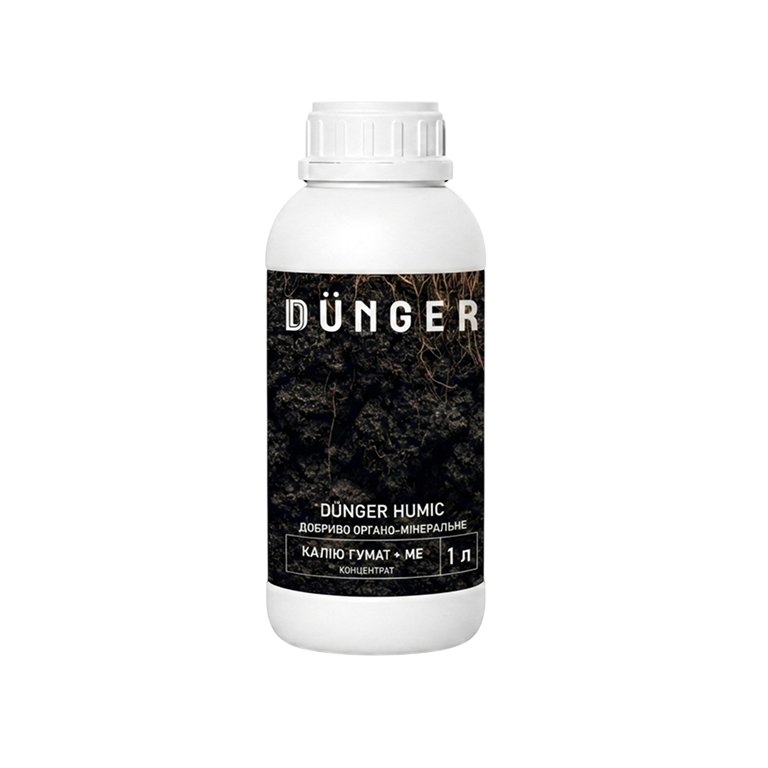
Organic-mineral fertilizer DÜNGER HUMIC (potassium humate, ME)
Seeds do not need added fertilizer to germinate. Check what is already in your seedling mix before deciding whether to feed plants that have true leaves. If outdoor petunias in a bed are growing actively and need feeding, you can look at DÜNGER HUMIC. The garden flower instructions name petunias and describe root watering during active growth.
For that stage the directions say: “when the first leaves appear, water at the root.” For a bed, check the garden flower root-watering row. It uses the area planted, so do not carry that rate over to seed cells or a balcony pot. Check the full directions and pack information before buying.
Frequently asked questions about petunia seedlings
Check that the seeds were left on the surface, received light and did not dry out. The coating on a pelleted seed needs contact with moist mix. A covered tray in direct sun may have overheated. Compare the elapsed time with the seed packet and consider how the seed was stored before you sow again.
A very bright window can work for a small number of plants. If the spot stays dim in early spring, start later or add a lamp. Long, thin stems are a clue that seedlings need more light. Avoid putting the tray against cold glass just to make the most of the window.
Well-rooted seedlings can go into the final basket after hardening off and when they can stay outside safely. For tiny seedlings with a few true leaves, individual cells are generally easier to manage. You can control moisture and move the plants while their roots develop and cold nights are still possible.
Keep them indoors or bring containers back inside. Make sure they still get enough light and check the mix for moisture. If the roots genuinely need more room, move each intact plug into a slightly larger pot. Resume hardening off when conditions improve, giving the leaves time to adapt to sun and wind again.


