


A rounded garden chrysanthemum shows its natural shape where it has enough light, space and steady moisture. For a permanent outdoor bed, choose a cultivar by its usual flowering season and winter tolerance. Prepare the bed and give the young plant a growing season to settle. Many modern mounding garden mums branch readily without clipping. If the plant already has flower buds, keep its growing tips. A balanced shape and a useful autumn display depend first on the plant you select and where it grows.
Choose a garden mum by cultivar and flowering time
The label Multiflora often identifies a compact, many-flowered type with a rounded habit. That shape does not tell you whether the plant will overwinter in your bed. Ask the seller for the cultivar name, its expected mature spread, its normal outdoor flowering period and whether it can be overwintered outdoors in comparable conditions. Find out whether it was raised as a garden perennial or to sell already flowering for a short autumn display. Two equally round plants in a shop can differ in hardiness and in how early their flower buds open.
For a permanent bed, start with a young garden plant in spring once the main risk of damaging late frost has passed and the soil is workable. It will have more time to establish before winter. A fully flowering autumn plant can give you seasonal colour, but it has a shorter rooting window before the cold. For a plant you intend to keep in a pot, see the separate guide to caring for a potted chrysanthemum. For the open bed, work with the hardiness of the cultivar, drainage and the time before frost.
Find a sunny site that drains after heavy rain
Choose a sunny section of the bed where water moves away after rain. Inspect the area after dark as well. A light shining on the plant can interrupt the dark period that helps many garden mums form buds. Flowering time also depends on temperature, plant age and cultivar. A gardener in a cool spot that often gets early autumn frost can look for an earlier natural flowering cultivar. A warmer site may have a longer display window, although hot nights can delay flowering in some cultivars. Neither the selling date nor a timetable from a greenhouse settles the outdoor date.
Walk along the bed edge after rain. If water stands against the edging or flows in from a path, divert the runoff or use another spot before planting. In a low area in northern or western Ukraine, soil may stay wet after a rainy spell. On an exposed southern site, the soil near stone edging can dry faster than the center. Aim for soil that stays evenly moist while allowing surplus water to drain. The guide to soil for flower beds and pots explains how to compare growing conditions before planting.
Mark the expected mature width before placing the young plants. Leave room to walk around each one, check moisture and reach the lower leaves. Plants that touch when young can be hard to inspect when their branches fill out. Set a container-grown mum at about its original soil level, then water to settle the bed around the ball. Return after the first heavy rain and check whether settlement has left a dip near the stem base.
Plan the spacing around the plant you are growing rather than around the size of its purchase pot. A wide mound might look sparse beside a path in spring and still reach the edge by flowering. Leave yourself access to the center of the bed without stepping among the roots. With a narrow bed, a single row of mature mounds may be easier to inspect and water than two tightly packed rows. Confirm the final spacing from the cultivar information.
Decide whether to pinch based on the new growth
Inspect the fresh shoots before reaching for shears. A cultivar that makes side shoots evenly may need no pinching. Some older or more upright garden mums benefit from a light early pinch if the cultivar guidance calls for it. Remove only the soft growing tip, keeping plenty of healthy leaves. Give a weak or newly transplanted plant time to settle before deciding. Once flower buds are visible, cutting the tips can delay the display or remove some of the flowers you were waiting for.
If a plant leans in one direction, look for a fence that shades one side, a neighbor pressing against its shoots or soil washed from under the root ball. Cutting the taller side does not correct a light problem. If unusually tall stems need support, hold them gently without tying the entire crown into one dense bunch. For a rounder outline in a future season, a better position or a cultivar with a naturally compact habit offers a more dependable change than repeated clipping.
Water and watch the plants from growth to flowering
An established mum needs steady moisture through the growing season. Look under the soil surface instead of watering simply because the top is dry. A recent transplant can have a dry root ball even if the surrounding bed is damp. Water at the base so the water reaches the roots. An organic mulch can slow drying if it is kept clear of the stems. In hot weather, compare the edge and the center of the bed before assigning them the same watering interval.
When a plant wilts, inspect the ground before adding water. If it is dry, allow water to soak in. If the soil is wet and heavy, find where the excess is coming from and where it could drain. If one side is declining, inspect lower leaves and branches as well. Persistent damp conditions and crowded foliage are worth checking. Consider additional nutrition for a healthy actively growing plant only when the soil and previous care point to a need.
Once buds are developing, keep the plant's routine predictable. In a bed with several cultivars, mark which ones have already formed buds and which still have tender green tips. This keeps you from using one pruning pass for the whole border. If a shrub casts more shade by late summer, record the affected part of the bed when you decide where to plant next spring. That observation is more helpful than trying to change bud development with an unneeded application.
Once snow clears, see if freeze and thaw have lifted the crown or if live shoots are appearing at the base. Remove heavy wet winter cover before the shoots start to extend. If several plants have come through winter differently, compare the cultivars and the drainage, exposure and conditions around each one before buying another of the same type. In particular, a plant lost in a wet dip does not tell you how the same cultivar would have performed on a drained raised section.
Feeding garden mums at the start of active growth
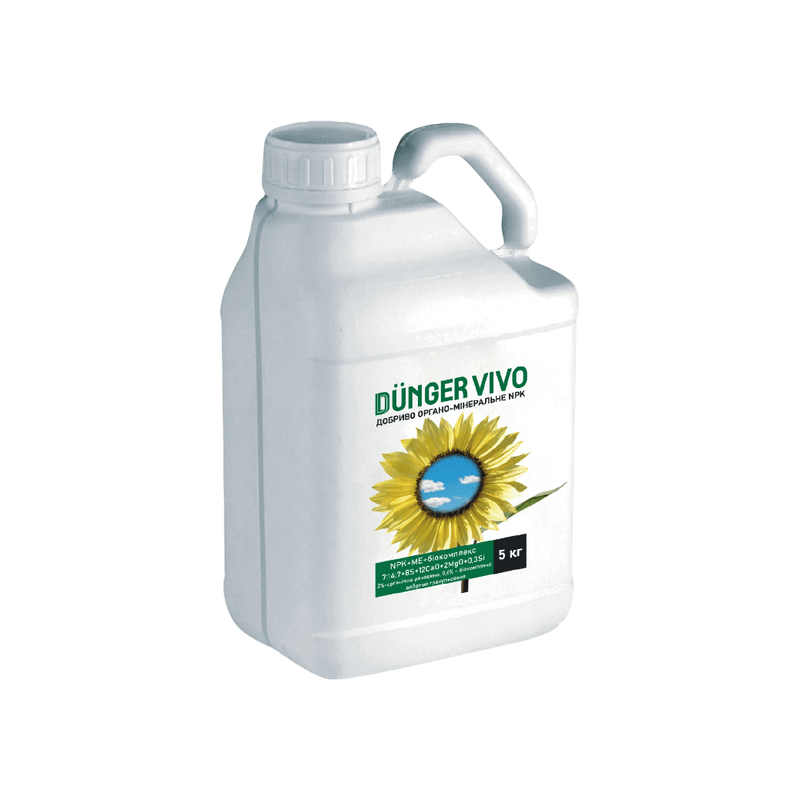
Organic-mineral fertilizer “DÜNGER VIVO” granulated
If established, healthy chrysanthemums need additional nutrition as they begin active growth, the DÜNGER VIVO directions include a group for flowering and ornamental plants. Read the full instructions for the flower-bed application.
Calculate by treated area or by plant count, using the applicable option in the instructions. Compare the result with the 5 kg pack and check the current price on the product page.
Questions about rounded garden chrysanthemums
Leave the buds in place. Early pinching is useful for some cultivars while they are still growing leaves and stems. A late cut can remove developing flowers or delay the display. For the current season, check light and give the plant room to open naturally.
Compare daylight, artificial light at night and crowding on both sides. Check the root-zone moisture too. The shape of the display is a clue to site conditions, but one sign cannot establish the cause on its own.
It depends on the cultivar, the remaining time before frost and the drainage. A late-planted mum has less time to settle. If you cannot confirm which plant you have and how hardy it is, use it for seasonal colour or check its protected overwintering requirements.


