


Caring for established lavender starts with light, drainage and the condition at the base of the plant. A rooted shrub in the ground tolerates dry spells better than a plant with a small container around its roots. Even a hardy cultivar can struggle when its soil stays wet after a thaw. Check the root environment before adding water, fertilizer or another layer of protection. The type of lavender, its age and its position will help you decide which part of the care needs attention.
Check where sunlight and water reach your shrub
Established lavender usually does well in a sunny, airy spot with soil that lets water drain. The position may have changed since you planted it. A tree may now shade one end, a neighboring perennial may have spread, or a new path may send water towards the plants. Watch the shrub at different times and see whether it dries after rain. A brief stripe of midday sun does not make the conditions the same as an open position for most of the day.
After prolonged rain, follow the water and look for where it remains. If only one end of a border holds puddles, start with that part. There is no need to dig through the roots of a mature plant to check. Examine the ground nearby, the path runoff and the height of the bed compared with neighboring surfaces. A site that regularly stays wet needs a drainage decision. If moving the shrub may be necessary, check the guide to moving established lavender before digging.
Where stems of neighboring plants touch or overlap, see whether a small gap could let air through. Care is easier when you can see where the stems begin and reach the ground without breaking branches. Keep obvious runoff routes clear of leaves and garden debris. A look at the bed after rainfall often tells you more than treating every plant in a row in exactly the same way.
At the start of spring, wait for signs of live growth
After snow melts, clear wet leaves or other debris from around the base. Check whether water collects around the stems. If the ground is sticky and saturated, wait until it can be worked. As young green shoots appear, it becomes easier to tell which parts of the shrub survived the cold. Old stems can be difficult to assess in the first warm spell. Use the guide to spring lavender pruning when you need to decide which parts of a shrub you can trim while preserving live growth.
In an exposed southern Ukrainian garden, wind and sun can dry the surface quickly while a low area or soil behind a fence stays wet. In Polissia or the foothills, thaws followed by rain and renewed cold can make a calendar date misleading. Look again after changes in weather, even within one garden. If one side is weak, consider which way wind blows, where snow melted, whether that side receives light and where water goes. That can suggest a practical adjustment for that part of the planting.
Decide when the plant actually needs watering
Keep an established shrub in the ground separate from a new transplant or a plant in a container when deciding about water. A rooted border plant needs less frequent watering in general, but drought and site exposure matter. Check below the dry surface near the shrub before reaching for a watering can. If the root area is actually dry, let water soak into the ground and check it again before another application. If the ground remains moist, the look of the foliage alone is not a reason to add water.
A pot holds less growing medium, and the roots cannot seek water beyond its sides. A sunny terrace pot can dry even when shrubs in the garden do not need watering. Check its weight and the moisture within. After you water, let the excess drain and empty any saucer or decorative container. If an outlet is blocked, restore drainage first. Check the pot and border separately even when the same cultivar grows in both.
Keep the crown accessible through summer
After rain or irrigation, move away any material that has shifted against the centre. Avoid building a heap of wet bark or leaves around the stems. A light layer of suitable mineral mulch around the bed can help keep the crown area from staying damp. Leave the base visible. Mulch cannot take the place of drainage: if the ground beneath it remains saturated, find out why it does not dry. Remove weeds carefully so you can inspect the crown without pulling on roots or breaking lower branches.
If part of the plant declines during humid weather, check where it began. A dry old flower stem is a different observation from decline affecting young foliage and the base. Compare the site with an open position before changing watering, light and feeding at once. Start with the clearest growing condition you can correct, such as runoff from a path, then watch the newer growth. If you suspect disease, take pictures of both the whole shrub and its surroundings so a diagnosis has useful context.
Prepare border lavender and containers separately for winter
Check the species and hardiness of the cultivar. English lavender is generally more cold tolerant than less hardy types of lavender grown for decoration. A pot offers roots less insulation than soil in a border. Move a container to a more sheltered spot where it will not collect excess water from a roof and where you can inspect it during a thaw. Base any added protection on the cultivar, exposure, temperature and moisture you actually observe.
For plants staying in the ground, leave a route for meltwater to get away. After weather changes, check that a wet layer of protection is not sitting against the crown. Keep the pot drainage unobstructed too. Before repeating last year's protection, remember what happened: where shoots survived, which side faced wind and whether the soil stayed wet. Keeping a few notes helps you choose care for that site. A plant by a warm wall and one in an open bed can respond very differently within one garden.
When clearing protection in spring, take account of renewed cold and the state of the shrub. The aim is to keep the plant from spending a long period in wet, stagnant conditions. Give it light and air appropriate to the position as weather settles. If a container was kept under shelter, check the medium instead of watering it automatically before it goes outside.
Compare separate positions before you change the whole planting
A pot under an eave can remain dry during a run of rainy days, while a border by a roof outlet receives much more water than the forecast alone suggests. Check each position. In a long border, mark the places that previously struggled after winter. Photographs after rain can show where water and damp mulch collect, so you have something concrete to compare when new growth appears.
Feeding lavender after assessing the site
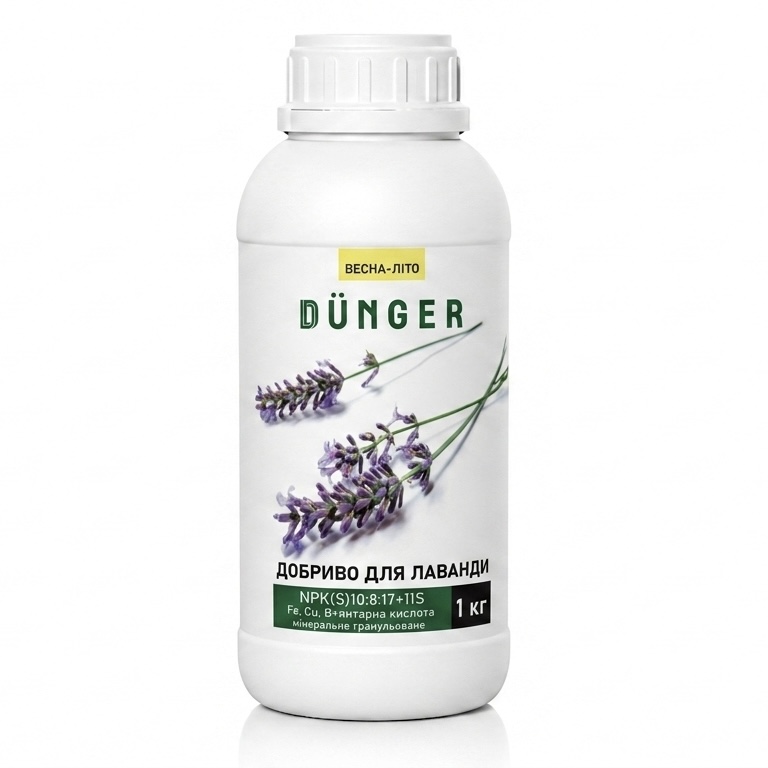
Complex fertilizer for lavender, granular
The directions explicitly include lavender and specify applying the granules to the soil. Decide separately whether a healthy shrub needs nutrition at the appropriate stage.
If feeding is needed, check the complete directions and work out the amount for the area. Compare the 0.5 and 1 kg pack sizes. The granules are not dissolved in water.
Questions about caring for established lavender
Its roots occupy a limited volume of growing medium. Sun and wind can make that medium dry faster. Check moisture inside each pot, and let excess water leave when you water. A border plant with roots in the surrounding soil behaves differently.
Check new growth, the soil's drainage and what happened over winter first. Consider nutrition separately if the plant needs it and the directions suit its stage. When the ground is cold and wet, start by finding where excess water is coming from and how it can leave.
Work out which parts need feeding. Measure their area, read the appropriate instructions and compare the calculated amount with the pack sizes. Leave out paths and other plants that have a different care plan.


