


Feed table beet according to the nutrients already available in the bed and the condition of the plants. Pale seedlings, large leaves or small roots do not automatically mean that another fertilizer application is needed. Crowding, shade, uneven watering and damaged roots can restrict growth even in fertile soil. Inspect the planting, account for previous applications and then choose an appropriate product and method.
Know which beet you are growing
Table beet belongs to Beta vulgaris, but its purpose in a kitchen garden differs from growing fodder or sugar types. A suitable cultivar, steady root development and timely harvesting matter. A field programme expressed per hectare should not be transferred directly to a small garden bed. A fertilizer recipe for another root vegetable is not automatically suitable either.
Root colour and shape also vary between cultivars. A yellow, white or striped interior can be normal, rather than evidence of a missing nutrient. Check the seed packet before trying to change the colour through feeding. The separate guide when to sow table beet covers getting the crop started; this article focuses on deciding whether and how to feed it.
Before the first application
A fertile bed with previous additions properly accounted for may need little or no extra fertilizer. Poorer ground can require a different approach. Soil analysis helps identify nutrients that genuinely need replenishing, rather than adding phosphorus or potassium simply because a popular mixture contains them. Interpret the result alongside the crop, soil conditions and materials already applied.
Compost contributes nutrients too. If substantial amounts were incorporated before sowing, do not start a new programme as though the bed had received nothing. Keep your own record of product names, dates and quantities. Where growth differs sharply between patches, ask the laboratory how to sample them separately: mixing contrasting areas can hide a local problem.
Seedlings need space and working roots
Many beet varieties produce several seedlings from one seedball. Careful sowing therefore does not always remove the need for thinning; monogerm seed is an exception. Extra fertilizer cannot create physical space for crowded roots. Follow the guidance for the cultivar and the size of beet you want to harvest.
Young plants also compete with weeds. Remove weeds carefully and avoid deep cultivation close to the crop, where roots can be damaged. Check that watering reaches the whole bed rather than only the edge nearest the hose. When drying, compaction or shade explains weak growth, address that condition before reaching for a stronger feed.
Nitrogen matters, but excess is unhelpful
Leaves support plant growth, so excluding nitrogen entirely because beet forms an edible root is not sensible. However, excessive nitrogen can favour leafy growth at the expense of root development. Abundant green tops alone do not prove that a large harvest is developing underneath. Consider them together with spacing and the actual size of the roots.
If tops are vigorous but roots remain small, check crowding, cultivar, crop age and light before applying more nitrogen. Switching abruptly to a different product does not replace this assessment. Read the separate explanation of nitrogen fertilizers for the broader principles, while keeping the decision here specific to your bed.
Watering and feeding work together
Steady growth depends on suitable moisture as well as nutrients. Large swings between drying and heavy wetting can contribute to cracked roots, while drought can reduce tenderness. Fertilizer solution does not replace ordinary watering and cannot correct standing water. Check the soil rather than judging only by leaves during the hottest part of the day.
In Ukrainian gardens, rainfall, soil texture, wind and plant development all affect watering needs. An exposed bed on light soil dries differently from a shaded low spot. After heavy rain, assess drainage first. During hot weather, respect the product instructions rather than applying feed simply because a weekly reminder has arrived.
Boron requires a diagnosis
Beet needs boron, but a dark patch or damaged tissue inside a root is not enough to diagnose a deficiency. Nutrition, disease and growing conditions must be distinguished. Assess risk through soil conditions, moisture and suitable analysis. Nor should boron listed in one fertilizer be assumed to occur in another without checking its composition.
The margin between sufficient and excessive boron is narrow. Avoid precautionary spoonfuls of household materials or an unverified homemade mixture. If a problem is confirmed, choose a product intended for the relevant use and follow its instructions with appropriate advice. Increasing an ordinary compound fertilizer is not automatically a solution to boron deficiency.
Avoid recipes promising sweeter roots
Table salt, sugar water and arbitrary combinations of additives are not substitutes for a sound nutrition plan. Salt introduces sodium and chloride; a crop's tolerance of some salinity does not demonstrate a benefit from a homemade recipe in your soil. Cultivar choice, consistent moisture and harvesting at a suitable stage are more useful considerations than a promise of sweetness after one watering.
Do not mix fertilizer with other products merely to save time. Compatibility and application method should be supported by the relevant instructions. Similar crops do not have interchangeable rates. If carrots grow alongside the beet, consult the guide to feeding carrots but retain a separate calculation for each bed.
A fertilizer option for the vegetable bed
If the bed needs feeding, this product can be considered under its vegetable instructions. Choose the row for the plant stage and application method. The root-feeding rows below concern established plants and seedlings separately; they are alternatives for different situations, not quantities to add together. Do not use them as foliar rates: the full instructions provide separate rows for that method. Check previous applications and growing conditions before mixing.
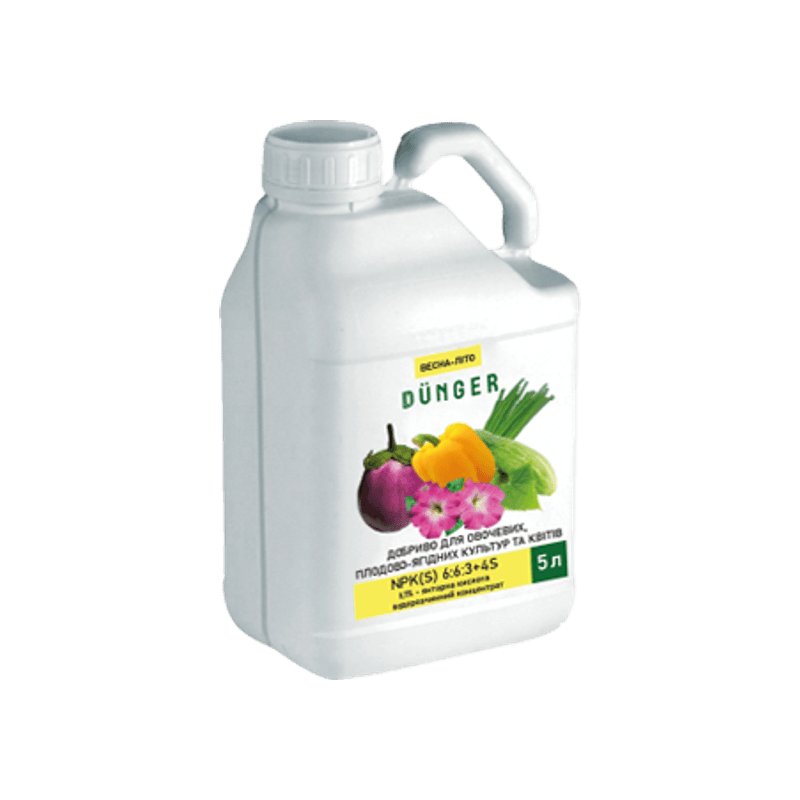
Complex fertilizer for vegetables, fruit and berry crops, and flowers
DÜNGER fertilizer for vegetables, fruit and berry crops, and flowers in a 5 L canister. View the product details, choose the number of canisters and order for your vegetable garden, berry patch or flower beds.
Vegetables of all types, fruit and berry crops, flowers (root feeding): 50 ml/10 L of water (100 ml of solution /plant)
All types of vegetable seedlings, fruit tree saplings, berry bushes, flowers (root feeding): 25 ml/10 L of water (50 ml of solution /plant)
Measure concentrate and water with suitable measuring containers, rather than guessing with a cap. Do not blend different concentrations into an improvised average. Check timing, conditions and precautions in the complete instructions. Select a pack after calculating the requirement; leftover concentrate is not a reason for another unnecessary application.
Create a separate beet zone in My Garden and enter the crop and relevant measurements. Check the calculation and pack after choosing the application method, then add the required quantity to your basket. Keep neighbouring crops separate and check current price and availability on the product page.
Common questions
Check spacing, cultivar and growth stage. Crowding and excess nitrogen can contribute. Before feeding again, also assess light and the actual quantities already applied.
There is no universal weekly programme. Soil condition, crop needs and the selected product's complete instructions determine the decision. More frequent or stronger feeding is not necessarily better.
No. Inspect other roots, moisture conditions and possible disease symptoms, and arrange diagnosis where needed. Do not apply boron without confirmation, because excess can also harm plants.
Check the separate instruction rows for seedlings and established plants and the chosen application method. Do not transfer the mature-plant concentration to seedlings or add root and foliar rates together.


