


When outdoor cucumber plants look diseased, inspect both leaf surfaces and the base of the stem. Patches that look similar from above can have different causes. Grey growth beneath a patch, white powder, water-soaked spots and misshapen young leaves narrow the possibilities. If a vine wilts, check the moisture and condition around its roots as a separate step. A single photograph or leaf colour is rarely enough to identify a pathogen.
Record where and when the symptoms appeared
Walk along the row. Note whether the affected plants are scattered, occupy the whole bed, cluster at the lower end of a slope or follow the edge of a path. Check whether symptoms first appeared in young growth or on older leaves. Compare the timing with rain, a watering change, a cold spell or work nearby. This gives you more to work with than saying the cucumbers are going yellow. If the problem is confined to colour changes, begin with the checks for yellow cucumber leaves.
Take several pictures in daylight. Include the bed, a whole plant, both leaf surfaces and, if relevant, the stem base and fruit. Photograph different stages of damage. A leaf that has mostly died may no longer show features that were visible on a fresh patch. Keep the variety name, watering method and recent applications handy. If a diagnostic service needs a physical sample, ask it how to collect, package and deliver it.
Look underneath angular spots
Downy mildew can produce pale green or yellow spots on the upper leaf surface. In cucumbers the veins often bound these spots, making them angular. Grey or darker fuzzy growth may be visible below in damp conditions. Several spots can join and the affected leaf may turn brown. An angular outline does not establish downy mildew by itself.
Bacterial angular leaf spot can also be bounded by veins. The tissue may look water-soaked, then dry and fall away, leaving irregular holes. During wet conditions, sticky pale droplets can sometimes be seen underneath the leaf. Compare several fresh spots and check fruit for small, wet-looking lesions. Get pictures before the leaves dry out completely. A hole in an old leaf on its own does not distinguish a bacterial lesion from physical damage.
White powder and mottled, distorted growth
Powdery mildew can form white powdery patches on either surface of a leaf. The patches can grow together and may spread to leaf stalks. This looks different from grey growth directly underneath an angular yellow spot. Think about recent applications that might have left a deposit. Look for new patches and a repeating distribution instead of interpreting one white mark on a mature leaf.
A light and dark green mosaic together with distorted young leaves or stunting can suggest a virus. Several viruses can give similar symptoms, and injury from herbicide drift can resemble a virus problem. Do not name a specific virus from a photograph. If you are concerned, avoid moving directly between affected and healthy plants with the same unclean tool. Seek diagnosis if symptoms are spreading or if the result would affect what you plant next.
Wilting without obvious leaf spots
Check moisture around the roots and inspect the stem base. A dry surface can conceal wet soil underneath. A light shower may wet the surface without reaching the roots. Look again after the daytime heat eases. Brief midday wilting and persistent wilting in a wet bed require different checks. If the plant does not recover and the roots or stem base look damaged, adding water or concentrated feeding without finding the cause may compound the problem.
Compare similar plants in another part of the garden. If only a hollow is affected after heavy rain, look at how water leaves that area. If the damage follows a sharp edge next to a recently treated path, record what was done there. Patterns can suggest excess moisture, physical injury or drift, but do not rule out a disease. More than one factor can be present. A photo of the whole bed helps a diagnostic adviser see a pattern that a close-up cannot show.
Limit spread while working out the cause
Where practical, deliver irrigation to the soil rather than over the foliage. Let leaves dry before tying up plants or picking fruit. Avoid carrying wet plant debris on a tool from a suspect section to a healthy one. Check crowded and shaded areas separately, where leaves can take longer to dry. At the end of the season, remove affected material according to the diagnosis. For a future planting, look for resistance to the particular disease identified rather than assuming that a broad label covers all cucumber diseases.
After persistent rain in western or northern Ukraine, inspect leaf undersides and locations that stay damp. In a drier steppe setting, overnight dew or frequent overhead irrigation can wet foliage even without heavy rain. There is no calendar date on which a given pathogen must appear in every garden. Observe the week's weather, the crop's stage and the symptoms actually present. Repeat the same inspection when conditions change so you can tell a new problem from continuing damage.
Make a separate feeding decision
Assess whether healthy nearby plants need nutrients. Fertilizer does not cure an infection, restore dead leaf tissue or correct standing water. Do not improvise mixtures. If a specialist recommends a plant-protection product after diagnosis, check the current Ukrainian label for cucumbers, outdoor use, the method and the required time before harvest. A treatment intended for another crop or protected growing environment is not automatically appropriate in your bed.
Feeding healthy plants in a separate part of the bed
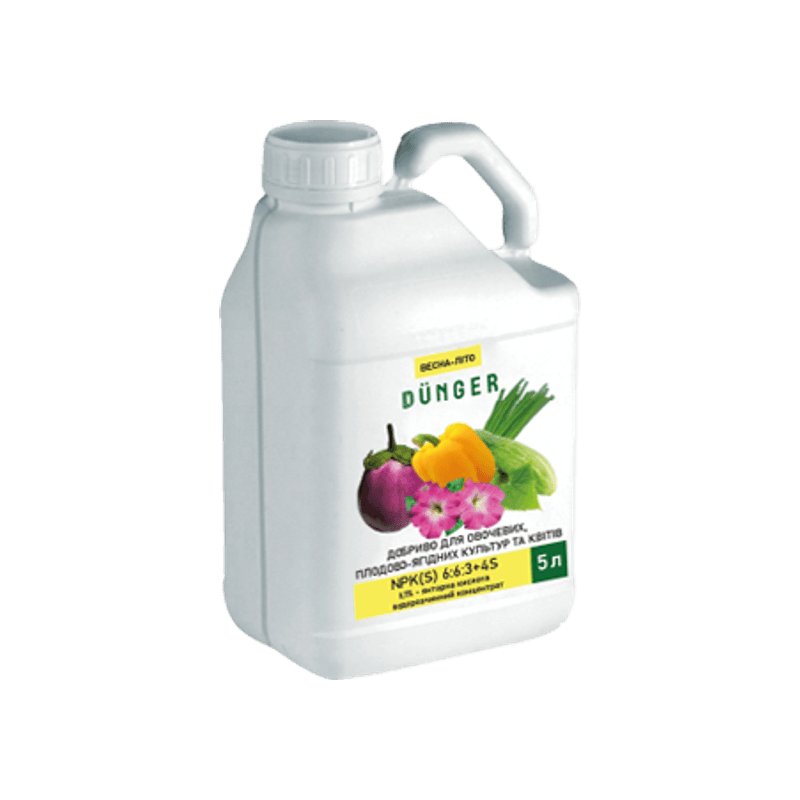
Complex fertilizer for vegetables, fruit and berry crops, and flowers
If healthy cucumbers need separate feeding, consider this liquid concentrate under the vegetable crop group. The product page gives separate rates for mature plants and seedlings and separate application methods. The quoted row is for root feeding of mature plants and is not a treatment for leaf spots or wilting.
The 5 L canister contains concentrate, not ready-to-use solution. Before deciding how many to buy, count the healthy plants you actually intend to feed and read the complete product instructions. Do not use a mature root-feeding rate as a seedling or foliar rate.
Vegetables of all types, fruit and berry crops, flowers (root feeding)
50 ml/10 L of water (100 ml of solution /plant)
Compare new symptoms with old damage
Mark one plant with a fresh spot and another without symptoms. Return to the same part of the row and compare living leaves of similar age. Old edge damage after one cold or windy event is a different pattern from new spots appearing on more plants. That comparison describes change rather than proving a cause. Where plants are declining rapidly, seek diagnostic advice promptly. For the plants that remain healthy, consider feeding cucumbers by growth stage separately.
Frequently asked questions
No. Compare both leaf surfaces, look for growth or wet exudate and examine newer lesions. Arrange a diagnostic sample when needed. The outline alone is not enough to tell downy mildew from bacterial angular leaf spot.
Yes. Powdery mildew differs from downy mildew, and its spores can spread in warm dry weather. Inspect the white growth and compare several leaves. The weather alone does not confirm the diagnosis.
Possible causes include root or stem-base damage and excess moisture. Check again after the heat eases, compare nearby plants and inspect drainage. Decide whether to water from the root zone, not from a wilted leaf alone.
Work out what the spots mean first. Feeding does not replace diagnosis of a disease or injury. Choose fertilizer for healthy plants on the basis of an identified nutrient need and the complete directions of the specific product.


